 RHS 2002
 Trees

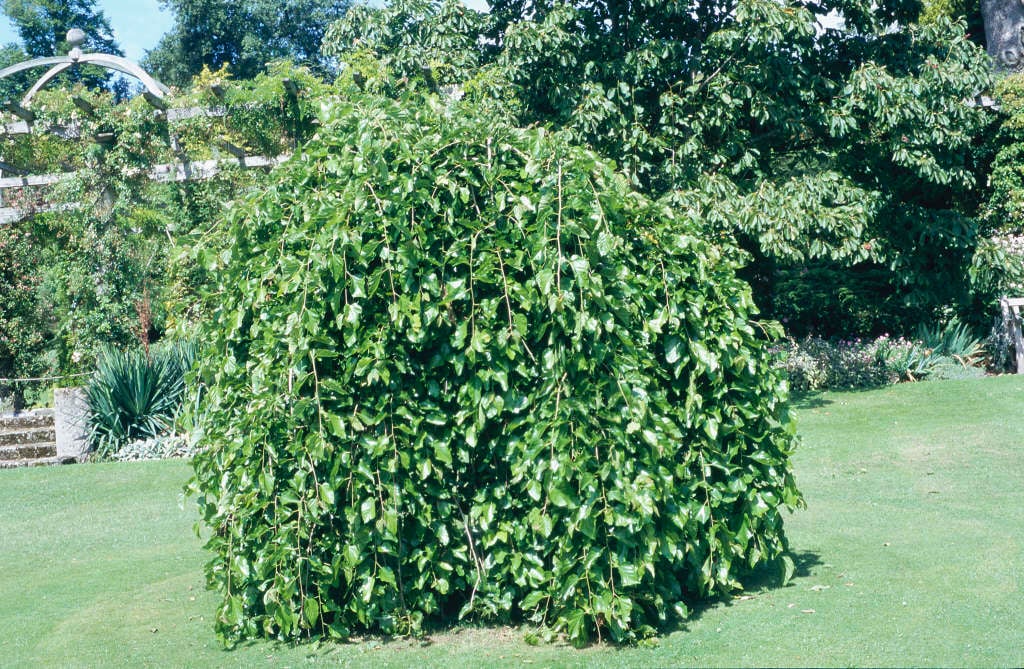
A small, strongly weeping tree with heart-shaped, slightly glossy leaves and white fruits ripening to deep pink
Position
Full sun
Soil Types
Chalk, Clay, Loam, Sand
Max Height
2.5-4 metres
Max Spread
4-8 metres
RHS 2002 A small, strongly weeping tree with heart-shaped, slightly glossy leaves and white fruits ripening to deep pink
2.5-4 metres
4-8 metres
| Season | Stem | Flower | Foliage | Fruit |
|---|---|---|---|---|
| Spring | ||||
| Summer | ||||
| Autumn | ||||
| Winter |
Grow in moist, humus-rich, fertile soils with shelter from cold, dry winds. Prune in late autumn or early winter to prevent bleeding
Propagate by semi-hardwood cuttings in mid-summer
Generally pest-free
May be susceptible to mulberry leaf spot, mulberry canker, coral spot, Powdery mildews and honey fungus (rarely)