Not the plant you're looking for? Search over 300,000 plants
Ferns

Size
Ultimate height
0.1–0.5 metresTime to ultimate height
5–10 yearsUltimate spread
0.5–1 metresGrowing conditions
Loam
Moisture
Moist but well–drainedpH
Acid, NeutralColour & scent
| Stem | Flower | Foliage | Fruit | |
| Spring | Green | |||
|---|---|---|---|---|
| Summer | Green | |||
| Autumn | Green | |||
| Winter |
Position
- Partial shade
Aspect
West–facing or East–facing or North–facing
Exposure
Sheltered Hardiness
H2Botanical details
- Family
- Davalliaceae
- Native to GB / Ireland
- No
- Foliage
- Deciduous
- Habit
- Matforming
- Genus
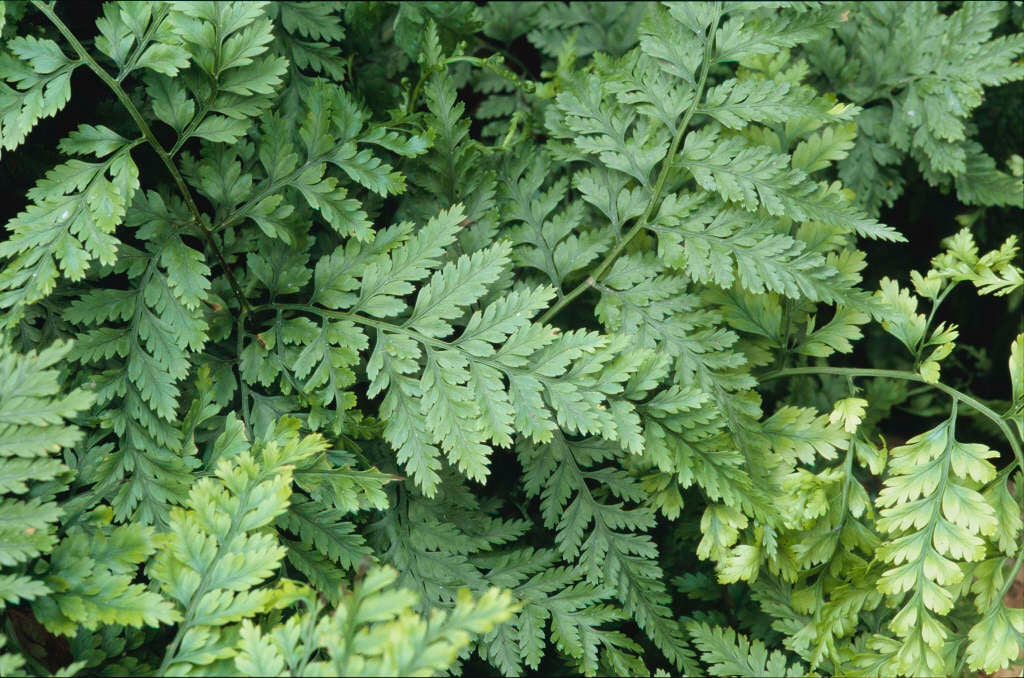
Davallia can be evergreen or deciduous ferns with finely divided ovate or triangular fronds arising singly from a creeping, conspicuously scaly rhizome
- Name status
Correct
- Plant range
- East Asia
How to grow
Cultivation
Grow in moist, open leafy soil in partial shade; hardy to -7°C (19°F) if protected in winter. Under glass grow in equal parts coarse leaf mould or peat substitute and moss, bark, sharp sand, charcoal and pine needles. See how to grow tender ferns outdoors for further advice
Propagation
Suggested planting locations and garden types
- City and courtyard gardens
- Cottage and informal garden
- Patio and container plants
- Rock garden
- Flower borders and beds
- Ground cover
- Underplanting of roses and shrubs
Pruning
No pruning required but tidy any winter damaged fronds in early spring
Pests
Generally pest-free
Diseases
Generally disease-free
Get involved
The RHS is the UK’s gardening charity, helping people and plants to grow - nurturing a healthier, happier world, one person and one plant at a time.