As environmental concerns drive more and more gardeners to use only peat-free compost, benefitting from leaps forward in the quality of these mixes in recent years, RHS peat-free expert Claire Thorpe shares her secrets to success with seeds
 It’s easy to get carried away with early seed sowing and end up with plants that are too big to stay indoors, yet too tender to go outside yet. May is the month when this problem solves itself – so it can be a great time to sow. Here are my top tips for seeding success.
Tomatoes are of course a summer staple. British summer weather isn’t always on our side, so if your tomatoes are destined for outdoor growing, it’s really worth seeking out blight-resistant varieties.
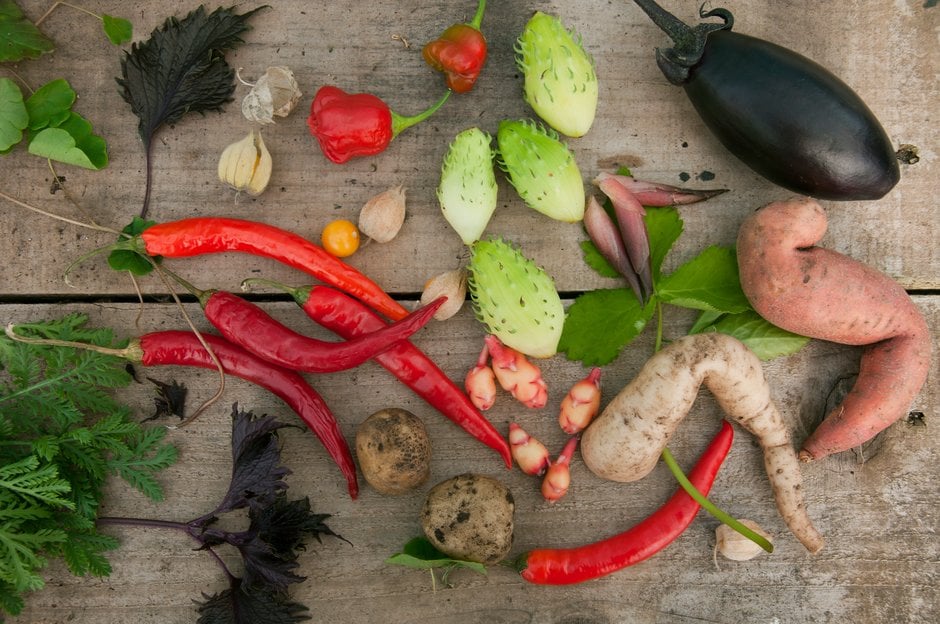
Sow them – along with other tender summer vegetables like aubergines, bell peppers and chillies, which are all in the same family – into moist peat-free compost. I find using a mister can help keep the surface evenly damp without overwatering, which is especially important for successful germination.
 Once my seedlings are large enough to handle, I pot them on into a multipurpose or potting on compost. I generally wait until this stage before feeding my seedlings, but if you did want to feed earlier, a dilute seaweed feed will do the job.
When stocking up on compost, you may have noticed the growing range of peat-free options now available. As more manufacturers move away from peat owing to its devastating environmental impact, they are refining their mixes. But it’s not always obvious whether a compost is peat-free – labels such as ‘organic’ or ‘sustainable’ don’t necessarily mean peat-free, so if you aren’t sure, ask garden centre staff for advice.
 Some compost bags now include the production date on the back, which is also worth checking. Compost can drop in quality over time, so ideally use it up within a year of manufacture.
It’s well worth going to the effort of finding a reliable seed compost that works well for you. Every brand uses a different mix of ingredients, often based on coir, composted bark or wood fibre, sometimes alongside other materials. Seed compost is milled much finer than a multipurpose and contains less added feed, creating ideal conditions for germination.
As seed compost often comes in smaller bags, it’s relatively cheap to try different brands and find one that works best for you. If you’re not getting the results you hoped for, the compost doesn’t need to go to waste – use it for larger seeds such as peas, beans or squash, which aren’t too fussy. I have two brands that I use, and I know both work well for a range of seeds, but my preferred brand is a bit harder to find so sometimes I have to go with my backup choice!
 Many of us already use peat-free compost successfully and can continue with what we do. But if you’ve struggled, keep in mind that peat-free mixes hold and release water differently from peat-based composts, so you may need to adjust watering.
This is especially important when using coir-based blocks, which need rehydrating before use. These can initially hold excess water, so allow time for moisture to distribute evenly and avoid sowing into overly wet compost. This is because wet compost is cold compost.
If you prefer to buy some of your young plants, check plant labels carefully. Many growers now include information on peat content, making it easier to choose peat-free options where available. If you want to be 100% sure none of the plants you’re buying contain any peat, you can check our peat-free nursery finder.
 Gardeners can visit the RHS peat-free hub for more help and advice on growing peat-free.
You may also be interested in
 Look for the RHS Award of Garden Merit (AGM) when buying vegetable seed or small plants. You can also download the RHS lists of recommended cultivars.
About Claire Thorpe
Claire is Peat-Free Campaign Project Manager for the RHS. Over the last three years she has been getting to grips with her allotment, enjoying trying out new plants. Her background is in ecology and she tries to make her plot as wildlife-friendly as possible.