Biological control in the home garden
Biological control is the use of natural enemies to manage unwanted organisms. In the home garden this usually involves introducing predators or pathogenic nematodes.
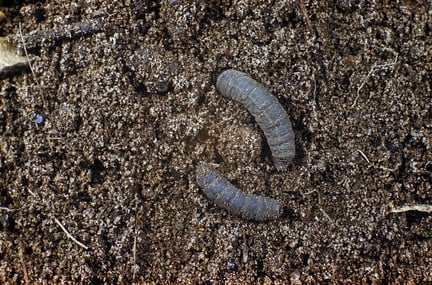
Common name - Leatherjackets, daddy-longlegs, crane flies
Scientific name - Tipula spp.
Plants affected - Mainly lawn grasses but also seedlings and small plants
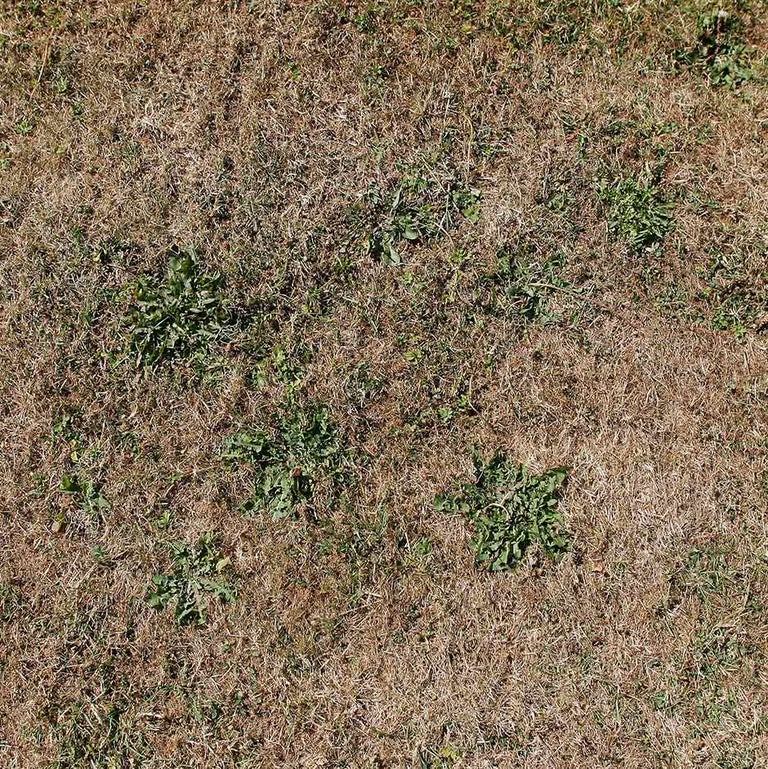
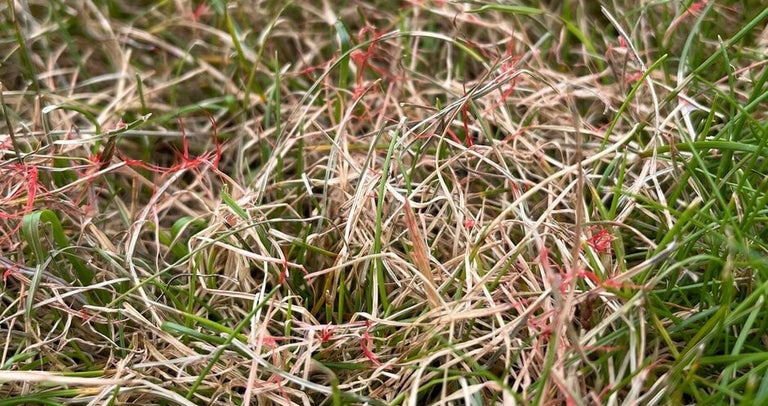
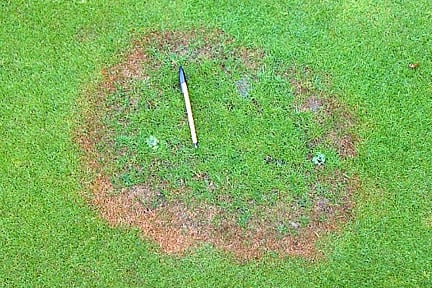
Main symptoms - Lawns develop yellowish brown dead patches; seedlings collapse having been eaten at soil level; presence of leatherjackets in the soil
Caused by - The larval stage of crane flies or daddy-longlegs
Timing - February-October

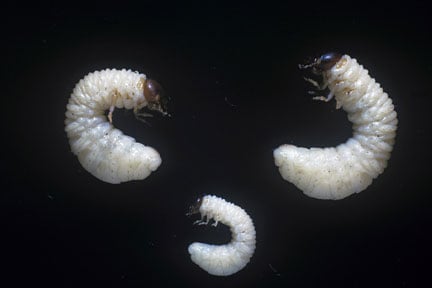
Leatherjackets are the larvae of craneflies. A broad classification spanning six true fly families (Tipulidae, Pediciidae, Limoniidae, Cylindrotomidae, Trichoceridae and Ptychopteridae) there are around 350 species in Britain many are uncommon or rare. These insects are part of healthy balanced ecosystems, most feed on decomposing organic matter or algae and some are predatory. A few species feed on living plant material and a small number of these may cause damage in gardens.
How to tell if leatherjackets are a problem in your garden:
Biological control is available for controlling leatherjackets in lawns, flower beds and vegetable plots. These are pathogenic nematodes, Steinernema feltiae or S. carpocapsae, which are watered into the turf or soil. The nematodes enter the bodies of leatherjackets and infect them with a bacterial disease. They are not specific to leatherjackets and may also affect other insects in the soil and so should be used in a targeted manner. To be effective, the nematodes require soil that is well drained but moist and with a minimum temperature of 12°C (54°F). The turf around the edge of affected areas should be targeted to deal with larvae spreading out from “hot spots” in the lawn. However, by the time damage becomes apparent, the soil may be too cold for nematodes to be effective.
As a preventive measure, nematodes can be applied in September to early October against leatherjackets. Nematodes should be applied as soon as possible after purchase, following the suppliers’ instructions for use. It may be necessary to water the lawn before and after application to ensure the soil is sufficiently moist for nematode activity and survival.
Biological control suppliers (pdf document)
There are several species of leatherjackets (larvae of crane flies) that feed on the roots and stem bases of lawn grasses and other plants. Most species of crane fly do not damage plants, many feed on decaying organic matter and help in nutrient recycling and are a part of a healthy garden.
The adult crane flies or daddy-longlegs mostly emerge and lay eggs in the turf or soil surface from August to October. Dry soil conditions at that time can result in many of the eggs failing to hatch, so large numbers of adult flies does not necessarily mean that there will be large numbers of larvae or leatherjackets in the next year.
The eggs hatch a few weeks after they have been laid and the young leatherjackets begin feeding on plant roots. In cold winters, they overwinter as small larvae and do not grow large enough to cause significant damage until mid-summer. Mild winters allow the young larvae to continue feeding and they can be large enough to cause lawn problems by late winter.
When fully grown, the leatherjackets pupate in the soil. When the adult flies emerge, the pupal case is often partly pulled out of the ground and left sticking up above the lawn surface.