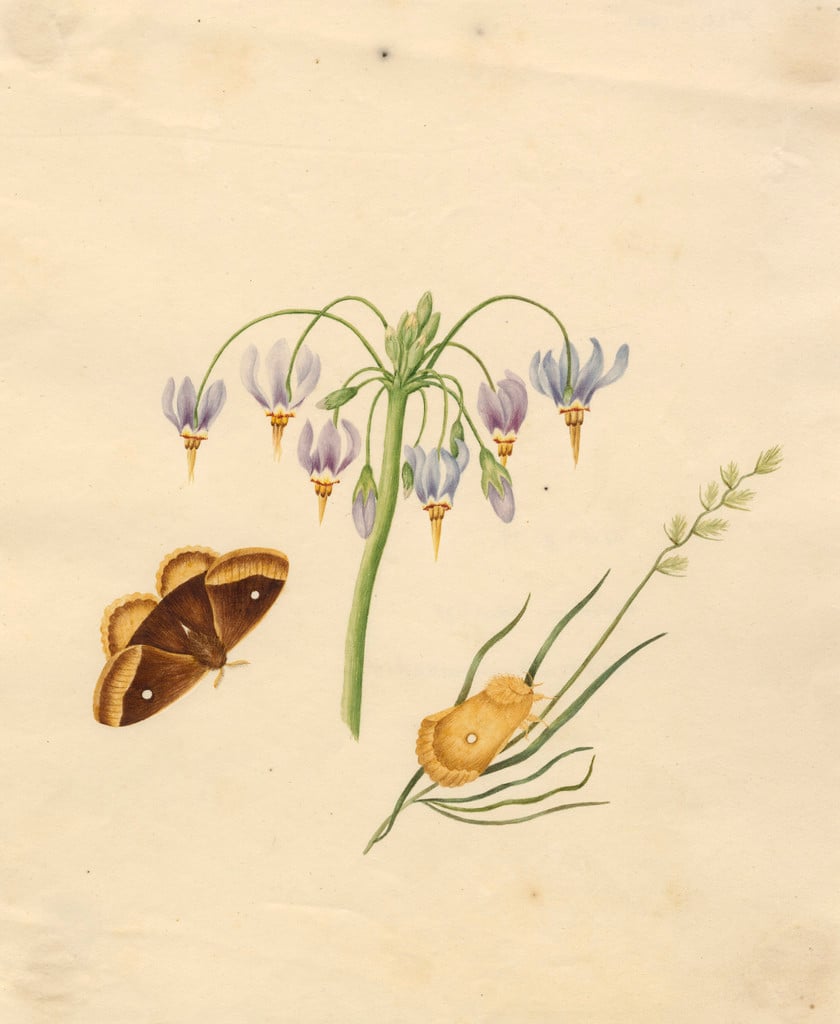
Dodecatheon meadia

RHS Plant Profile
shooting star
shooting star RHS

Other common names

common American cowslip, gentlemen and ladies, Indian chief, Johnny jump, lambs' noses, Mead's dodecatheon, prairie cyclamen, prairie pointer, pride of Ohio, American cowslip, compass plant

Synonyms

Primula meadia
Primula pauciflora
Dodecatheon pauciflorum (Dur.) E. Greene

Award of Garden Merit
Alpine Rockery Herbaceous Perennial

An herbaceous perennial to 45cm in height, with a rosette of lance-shaped leaves and erect stems bearing large umbels of nodding, rosy-lilac flowers 2cm in length

Position

Full sun, Partial shade

Soil Types

Chalk, Clay, Loam, Sand

Max Height

0.1-0.5 metres

Max Spread

0.1-0.5 metres

Size

Time to Maturity
2–5 years
Max Spread
0.1-0.5 metres
Max Height
0.1-0.5 metres

Growing Conditions

Chalk Clay Loam Sand
Moisture
Moist but well–drained
pH
Acid or Alkaline or Neutral

Position

Full sun Partial shade
Aspect
South–facing or West–facing or East–facing
Exposure
Sheltered
Hardiness
H5

Colour & Scent

Season Stem Flower Foliage Fruit
Spring
Summer
Autumn
Winter

Botanical Details

Family
Primulaceae
Native to GB/Ireland
No
Foliage
Deciduous
Habit
Clump forming
Genus
Dodecatheon are summer-dormant herbaceous perennials with basal rosettes of simple leaves and erect or arching stems bearing umbels of cyclamen-like flowers with strongly reflexed petals
Name Status
Correct
Plant Range
E North America

How to Grow

Cultivation

Grow in a moist but well-drained, humus-rich soil in full sun or partial shade. Suitable for woodland or rock garden

Propagation

Propagate by seed in pots in an open frame as soon as seed is ripe; seed needs exposure to cold before it will germinate or propagate by division in spring

Suggested planting locations and garden types

  • Cottage and informal garden
  • Rock garden
  • Flower borders and beds
  • Underplanting of roses and shrubs

Pruning

No pruning required

Pests

May be susceptible to slugs and snails

Diseases

Generally disease-free