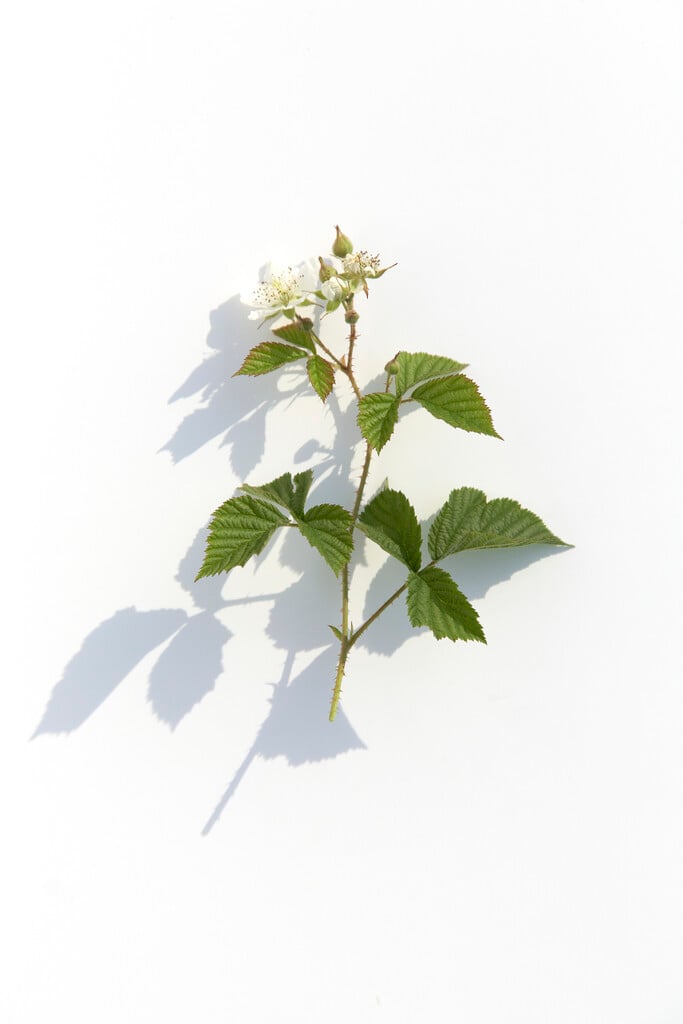
Rubus caesius

RHS Plant Profile
European dewberry
European dewberry visionspictures.com

Other common names

blue bramble, dewberry, theve thorn, llwyn mwyar mair

Synonyms

Rubus caesius var. ferox

Shrubs Climber Wall Shrub Fruit Edible

A deciduous woody plant, similar to a bramble, that will trail as groundcover or grow upwards if given support. White flowers are followed by bluish-black fruits that are smaller than blackberries. Stems will flower and bear fruit in their second year, then die back

Position

Full sun, Partial shade

Soil Types

Clay, Loam, Sand, Chalk

Max Height

1.5-2.5 metres

Max Spread

1-1.5 metres

Size

Time to Maturity
2–5 years
Max Spread
1-1.5 metres
Max Height
1.5-2.5 metres

Growing Conditions

Clay Loam Sand Chalk
Moisture
Moist but well–drained
pH
Acid or Alkaline or Neutral

Position

Full sun Partial shade
Aspect
East–facing or North–facing or South–facing or West–facing
Exposure
Exposed or Sheltered
Hardiness
H6

Colour & Scent

Season Stem Flower Foliage Fruit
Spring
Summer
Autumn
Winter

Botanical Details

Family
Rosaceae
Native to GB/Ireland
Yes
Foliage
Deciduous
Habit
Matforming, Trailing, Climbing
Genus
Rubus can be deciduous or evergreen shrubs, often scrambling with bristly or prickly stems bearing simple, lobed, palmate or pinnate leaves and 5-petalled flowers followed by juicy, sometimes edible fruits
Name Status
Correct
Plant Range
Europe to Himalayas, NW Africa, Yemen

How to Grow

Cultivation

Grows well in sun or partial shade in free-draining soil. Can be kept under control with annual pruning and removal of newly rooted sections of stem

Propagation

Propagate by seed or by tip layering, which it does naturally

Suggested planting locations and garden types

  • Banks and slopes
  • Climber and wall shrubs
  • Edible fruit
  • Ground cover

Pruning

Prune out old fruited stems

Pests

Generally pest-free

Diseases

May be susceptible to grey moulds and honey fungus (rarely)