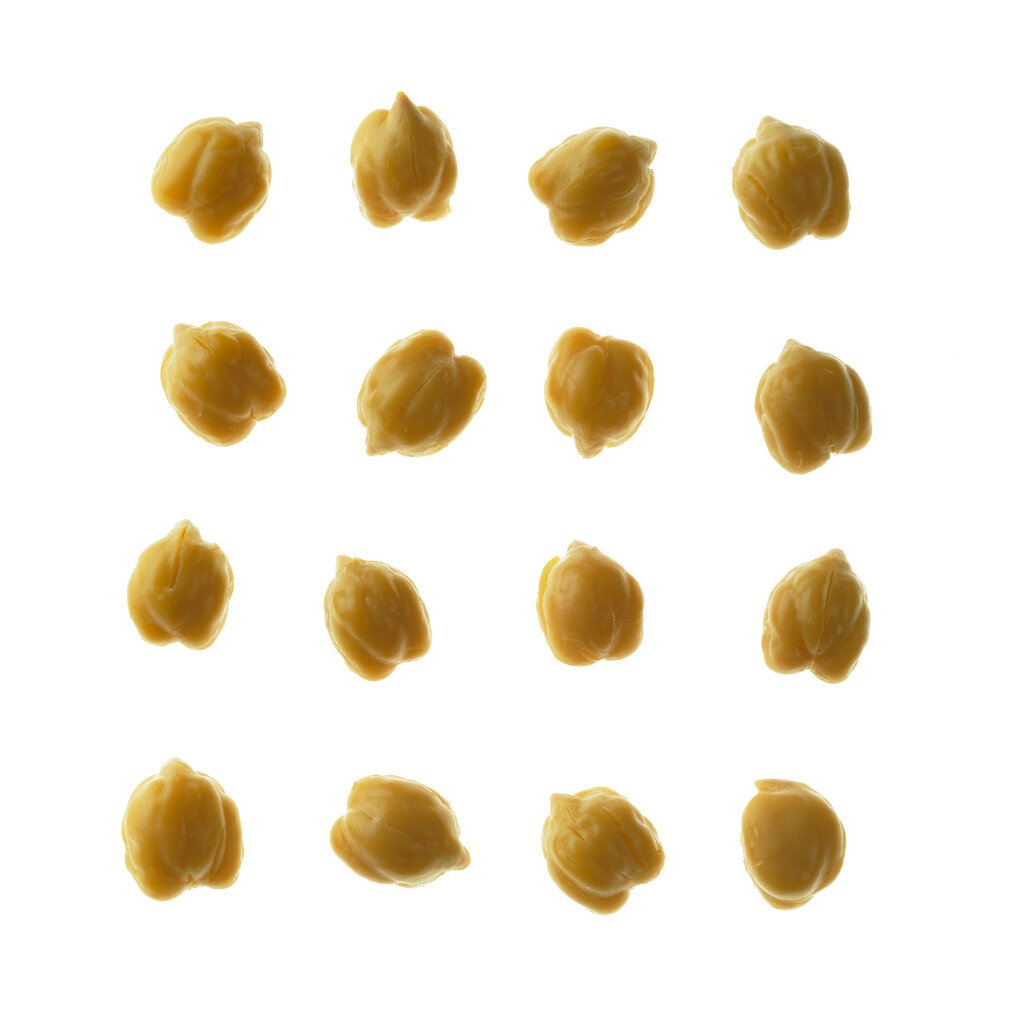
Cicer arietinum

RHS Plant Profile
chickpea
chickpea visionspictures.com

Other common names

calavanche, chola, ciche, Egyptian pea, garbanzo, gram

Annual Biennial

More commonly known as the Chickpea, this annual legume has small, green feathery leaves either side of the stem and produces fat green seedpods containing two or three peas to each pod in spring or early summer. Crops are usually ready for picking around 100 days after sowing. Sweetpea-like flowers appear in summer in shades of pink, white or purple

Position

Full sun

Soil Types

Chalk, Clay, Loam, Sand

Max Height

0.5-1 metres

Max Spread

0.5-1 metres

Size

Time to Maturity
1 year
Max Spread
0.5-1 metres
Max Height
0.5-1 metres

Growing Conditions

Chalk Clay Loam Sand
Moisture
Moist but well–drained
pH
Alkaline or Neutral

Position

Full sun
Aspect
South–facing or West–facing
Exposure
Sheltered
Hardiness
H3

Colour & Scent

Season Stem Flower Foliage Fruit
Spring
Summer
Autumn
Winter

Botanical Details

Family
Fabaceae
Native to GB/Ireland
No
Foliage
Deciduous
Habit
Bushy, Climbing
Genus
A genus of around 43 species of perennial and annual legumes, including chickpea. The green, toothed foliage is divided with alternate leaflets, and flowers are blue-purple to white
Name Status
Correct

How to Grow

Cultivation

Grow in fertile, loamy, well-drained soil in full sun. Although plants can be grown in partial shade, yield will be reduced. Feed regularly with a high potassium and phosphorus feed throughout the growing season

Propagation

Propagate by seed. See sowing vegetable seeds

Suggested planting locations and garden types

  • City and courtyard gardens
  • Cottage and informal garden

Pruning

No pruning required

Pests

May be susceptible to aphids, bean beetles, flea beetles, leaf hoppers and mites

Diseases

May be susceptible to anthracnose, blight and mosaic virus