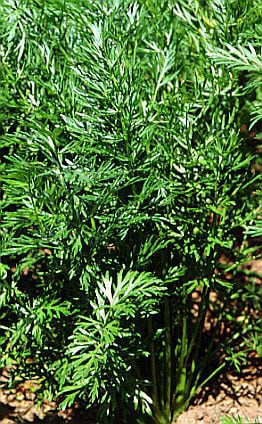
Carum carvi

RHS Plant Profile
caraway
caraway Dorling Kindersley 2003

Other common names

ammi, caroy, meeting seed

Annual Biennial Herbs - Culinary

An upright biennial with aromatic, 2- to 3-pinnate leaves divided into linear segments, and umbels of small white flowers in summer, followed by strongly aromatic fruits

Position

Full sun

Soil Types

Clay, Loam

Max Height

0.1-0.5 metres

Max Spread

0.1-0.5 metres

Size

Time to Maturity
1–2 years
Max Spread
0.1-0.5 metres
Max Height
0.1-0.5 metres

Growing Conditions

Clay Loam
Moisture
Well–drained
pH
Acid or Alkaline or Neutral

Position

Full sun
Aspect
South–facing or West–facing or East–facing
Exposure
Exposed or Sheltered
Hardiness
H7

Colour & Scent

Fragrance Foliage Fruit
Season Stem Flower Foliage Fruit
Spring
Summer
Autumn
Winter

Botanical Details

Family
Apiaceae
Native to GB/Ireland
Yes
Foliage
Deciduous
Habit
Columnar upright
Genus
Carum can be tap-rooted biennials or erect perennials, with finely divided leaves and small white flowers in umbels, followed by aromatic seeds
Name Status
Correct
Plant Range
temp. Europe, Asia

How to Grow

Cultivation

Grow in light, fertile well-drained soil in full sun; will tolerate heavier soils. Dislikes transplanting

Propagation

Propagate by seed, transplant seedlings when small to avoid bolting

Suggested planting locations and garden types

  • Cottage and informal garden
  • Flower borders and beds

Pruning

Leave to set seed

Pests

Generally pest-free

Diseases

Generally disease-free