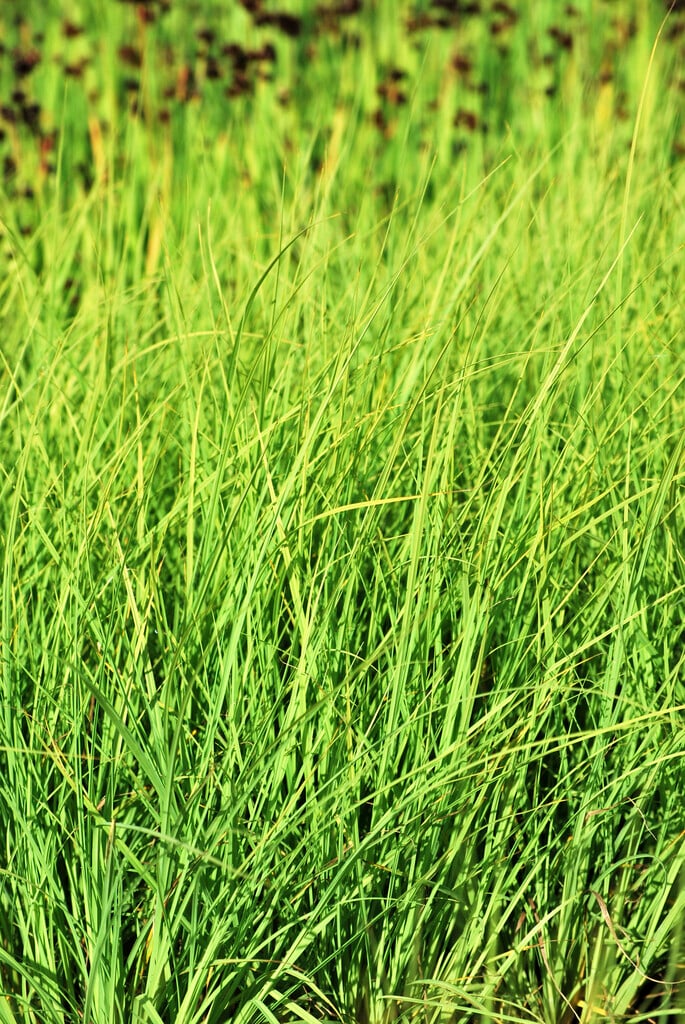
Carex panicea

RHS Plant Profile
carnation sedge
carnation sedge visionspictures.com

Other common names

hesgen benigen-ddail

Grass Like Aquatic Bogs

Robust, clump-forming, gradually spreading, deciduous or semi-evergreen perennial sedge, about 30cm tall, with blue-green foliage. Carries dainty purplish-black flower spikes to 30cm long within the foliage, in summer

Position

Full sun, Partial shade

Soil Types

Chalk, Clay, Loam, Sand

Max Height

0.1-0.5 metres

Max Spread

0.5-1 metres

Size

Time to Maturity
2–5 years
Max Spread
0.5-1 metres
Max Height
0.1-0.5 metres

Growing Conditions

Chalk Clay Loam Sand
Moisture
Moist but well–drained or Well–drained or Poorly–drained
pH
Acid or Alkaline or Neutral

Position

Full sun Partial shade
Aspect
South–facing or West–facing or East–facing
Exposure
Exposed or Sheltered
Hardiness
H7

Colour & Scent

Season Stem Flower Foliage Fruit
Spring
Summer
Autumn
Winter

Botanical Details

Family
Cyperaceae
Native to GB/Ireland
Yes
Foliage
Deciduous, Semi evergreen
Habit
Clump forming, Tufted
Genus
Carex can be deciduous or evergreen, rhizomatous or tufted perennials, with triangular stems bearing linear or strap-shaped leaves and short or long spikes of tiny green or brown flowers
Name Status
Correct

How to Grow

Cultivation

Tolerant of a wide range of growing conditions in full sun or part shade. Grow in waterside locations, boggy or wet soils and any moist but well drained or well-drained soils. See ornamental grasses cultivation, bog gardening and pond plants

Propagation

Propagate by seed in early spring or by division in mid spring to early summer

Suggested planting locations and garden types

  • Coastal
  • Cottage and informal garden
  • Wildlife gardens

Pruning

No pruning required, tidy if possible as the foliage dies down at the end of the growing season

Pests

Generally pest-free

Diseases

Generally disease-free