
How to grow your own mushrooms at home
Mushrooms can be grown on an incredible number of different types of waste products, such as logs, coffee grounds or even cardboard. This makes them remarkably versatile for home growers who can source substrate and get growing depending on what is available to them locally
Mushroom growing boom
Mushrooms are often seen as the province of experienced foragers and mycologists, with amateurs put off by the danger of accidentally picking one of the psilocybin (‘magic’) or potentially fatal types. However, mushroom growing kits have experienced a boom in popularity as they provide an easy introduction in to the seemingly dark art of growing mushrooms at home.
The added bonus of growing mushrooms indoors is that it can be done any time of year – in warmer weather you may need to spray more often. It’s an ideal crop for when your vegetable plot is having a rest.

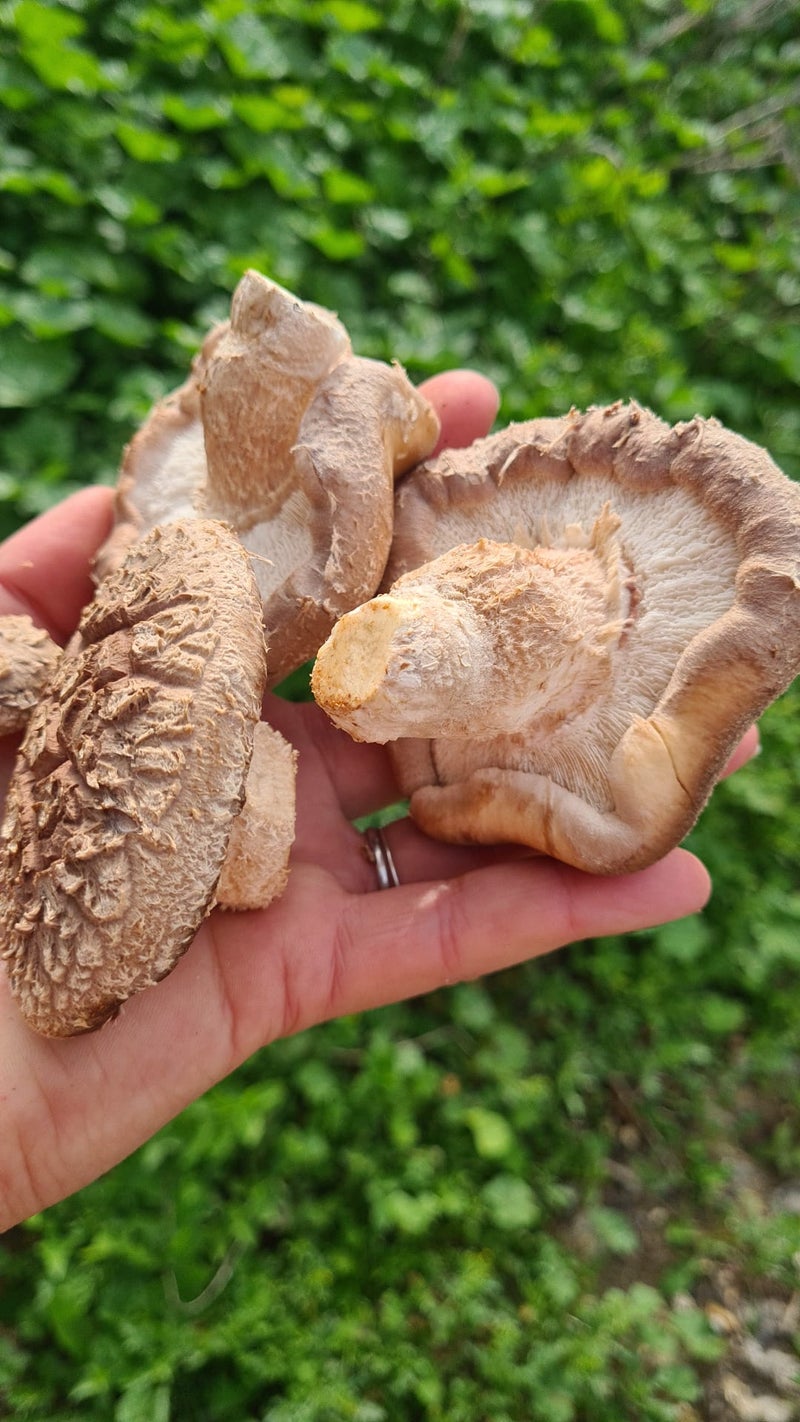
"Fresh mushrooms have a wonder and beauty about them that is so short lived, because the fruiting bodies are at their prime for display and consumption for such a short period of time."
Fungi facts
- Fungi are genetically closer to humans than plants
- Mushrooms can eat plastic
- One clump of honey fungus in Oregon is the largest living organism on earth – over 4 sq miles
- Some mushrooms can glow in the dark
- Fungi might even enable trees to communicate with each other
Health benefits of mushrooms
While health benefits of mushrooms depend on the type, they are considered to be a nutritious food, particularly in a meat-free diet, as they are a source of vitamin D.
- Studies suggest that two mushrooms a day can decrease your risk of cancer by up to 45%
- Low in sodium
- Mushrooms are low in cholesterol, shitake mushrooms contain a compound that actually lowers cholesterol in the blood
- As prebiotics, mushrooms are great for gut health
- Macronutrients such as selenium and vitamin B6 found in mushrooms help support a healthy immune system
- One study found subjects who ate more than two cups of mushrooms a week had a 50% lower risk of developing Mild Cognitive Impairment, which affects memory and can lead to a higher risk of developing dementia

Specialist mushrooms
Another reason to have a go at growing mushrooms at home is the wide range of types you can try. While the choice available in the shops is often limited to button, chestnut or possibly shitake, with kits, you can be cooking tarragon oyster, coral tooth or velvet shank within a few days. You may even get a second or third crop, though it will be less vigorous.
While growing from kits at home brings the opportunity to grow different types of mushrooms it is important to understand the difference betwen and non-native species before putting the spent kits in the garden. Fungi spread very quickly through the soil, and where they can be beneficial to the soil microbiome – creating symbiotic relationships with plants, introducing an alien species could be harmful and potentially , much like Japanese knotweed, or bamboo.
How to grow your own mushrooms
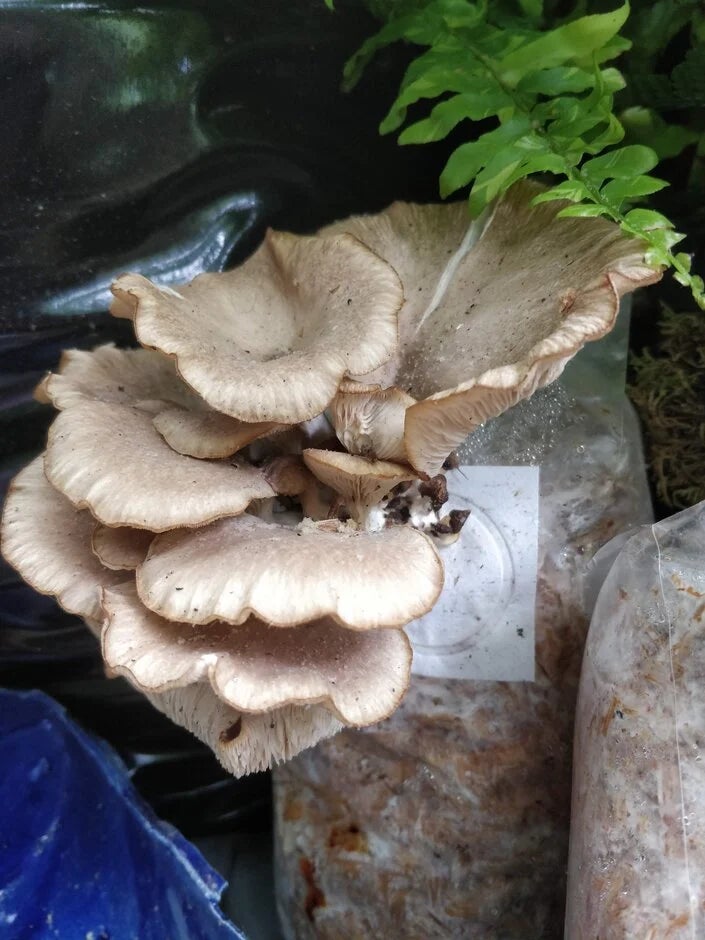
- You don’t need to be an expert to grow mushrooms at home. First step is to buy a freshly made, good quality indoor grow kit. If you buy from an independent UK based grow company, most importantly, they’ll support your growing journey and guarantee you success
- Grey oyster mushrooms are a great beginner option, but there are lots of other easy to grow native species such as tarragon oyster, coral tooth, velvet shank, poplar fieldcap and dryad’s saddle mushrooms
- Keep your kit well hydrated. All good grow kits will come with proper guidance and advice for watering and misting your kits for the perfect growing conditions
- Many gourmet mushroom grow kits need light to grow, so keep them in a bright spot away from direct sunlight. This allows you to watch your mushrooms grow and some types will double in size every 12-24 hours. It’s a great transformation to witness. They’ll also absorb that vitamin D, ready for your consumption
- Once you’ve finished growing your mushrooms only put the kit into the if it is a native species, to prevent the risk of spreading potentially invasive species
About the author – Jenny Laville
Jenny is RHS level 3 qualified and has had allotments for over 15 years. She currently looks after a plot in Buckinghamshire. She is Shows Manager for the RHS.