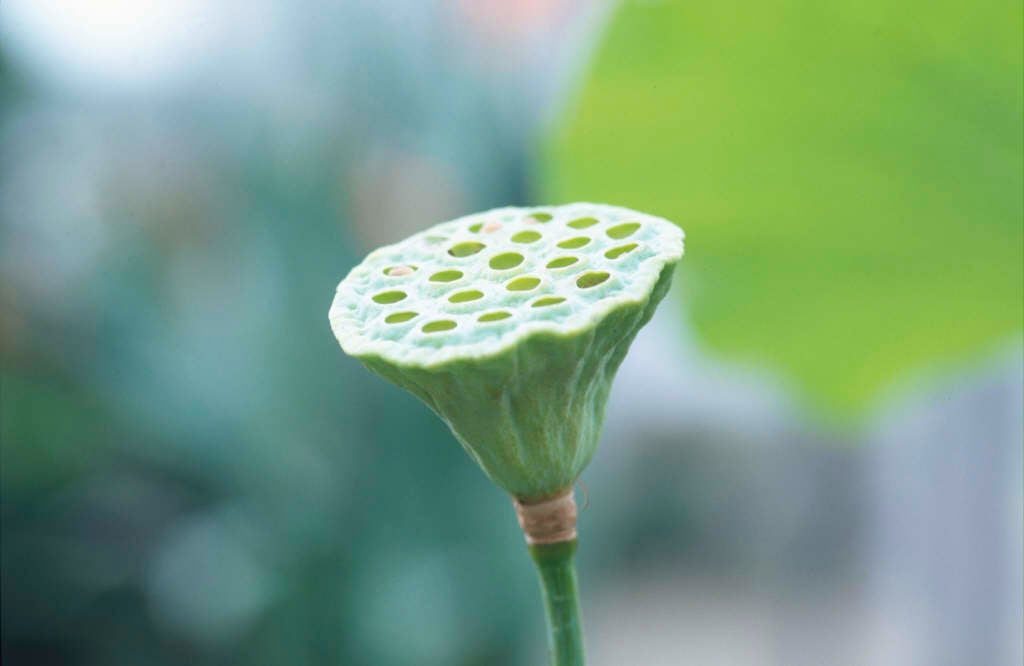
Nelumbo nucifera

RHS Plant Profile
sacred lotus
sacred lotus RHS 1999

Other common names

Chinese arrowroot, Chinese waterlily, East Indian lotus, Eastern lotus, Egyptian sacred bean, Indian lotus, padma, water bean

Aquatic Conservatory Greenhouse

A rhizomatous aquatic perennial with long-stalked, rounded green leaves to 80cm wide, and solitary, pink or white, water lily-like flowers to 30cm wide, borne on long stalks well above water level in summer

Position

Full sun

Soil Types

Loam

Max Height

1-1.5 metres

Max Spread

1-1.5 metres

Size

Time to Maturity
2–5 years
Max Spread
1-1.5 metres
Max Height
1-1.5 metres

Growing Conditions

Loam
Moisture
Poorly–drained
pH
Neutral

Position

Full sun
Aspect
South–facing or West–facing
Exposure
Sheltered
Hardiness
H1C

Colour & Scent

Fragrance Flower
Season Stem Flower Foliage Fruit
Spring
Summer
Autumn
Winter

Botanical Details

Family
Nelumbonaceae
Native to GB/Ireland
No
Foliage
Deciduous
Habit
Submerged
Genus
Nelumbo are rhizomatous perennials growing in pond margins or in shallow water, with large rounded leaves attached to the stalk in the centre, and solitary cupped fragrant flowers held well above the water, followed by characteristic conical fruits
Name Status
Correct
Plant Range
Asia, Australia

How to Grow

Cultivation

In an outdoor pool grow in a large container in heavy loam enriched with well-rotted farmyard manure or compost, in full sun. As growth proceeds, gradually lower the containers to increase the water depth to 40-60cm (16-24in), or 15-22cm (6-9in) for smaller cultivars. Remove fading foliage. In cold areas, reduce the water level gradually in autumn, remove the container and overwinter in frost-free conditions, keeping the rhizomes just moist. Under glass, grow in large containers in an indoor pool in full light. See pond plants for further advice

Propagation

Propagate by seed sown in spring, preferably scarified before sowing, at a minumum temperature of 25°C (77°F) in small containers of loam covered by 5cm (2in) of water. Increase water depth and container size until plants are large enough to plant in the flowering site. Propagate by division of the fragile rhizomes, which resent disturbance. In spring, plant rootstock horizontally just below the soil surface, and barely submerge until growth starts

Suggested planting locations and garden types

  • Patio and container plants

Pruning

Cut away fading foliage

Pests

May be susceptible to glasshouse red spider mite and glasshouse whitefly

Diseases

Generally disease-free