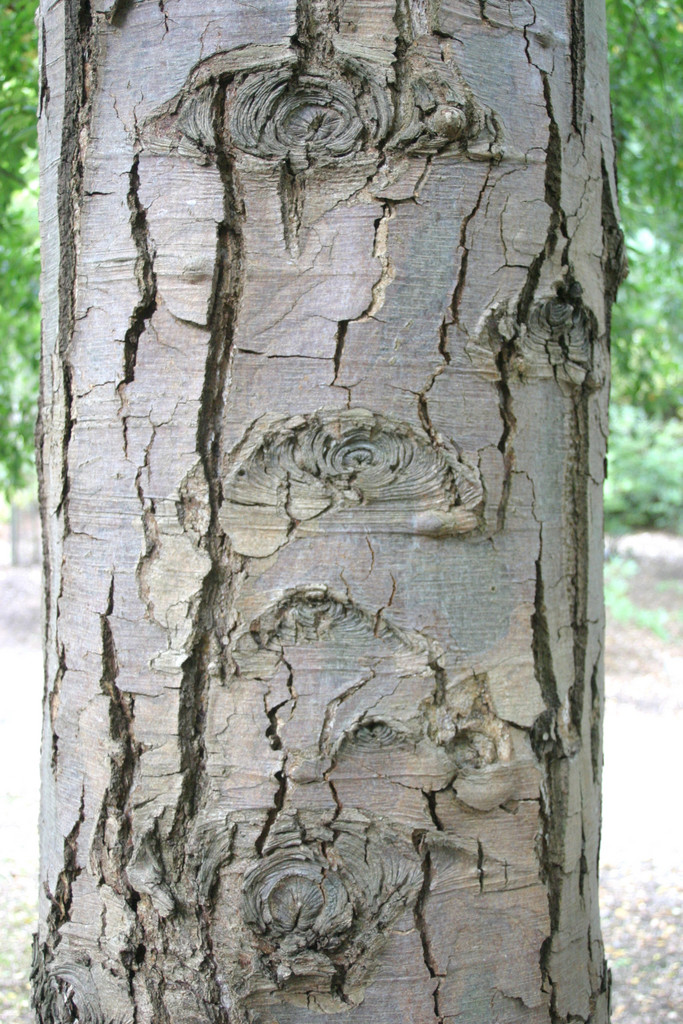
Nothofagus obliqua

RHS Plant Profile
roble beech
roble beech RHS

Other common names

roble

Synonyms

Nothofagus obliqua var. macrocarpa
Nothofagus macrocarpa

Trees

A large, deciduous, fast-growing tree to 20m or more, with alternate leaves in two opposite rows, ovate, shortly toothed, 4-7cm long, dark green above, pale glaucous below, colouring yellow and crimson in autumn

Position

Full sun

Soil Types

Clay, Loam, Sand

Max Height

Higher than 12 metres

Max Spread

wider than 8 metres

Size

Time to Maturity
20–50 years
Max Spread
wider than 8 metres
Max Height
Higher than 12 metres

Growing Conditions

Clay Loam Sand
Moisture
Moist but well–drained or Well–drained
pH
Acid

Position

Full sun
Aspect
South–facing or West–facing or East–facing
Exposure
Exposed or Sheltered
Hardiness
H5

Colour & Scent

Season Stem Flower Foliage Fruit
Spring
Summer
Autumn
Winter

Botanical Details

Family
Nothofagaceae
Native to GB/Ireland
No
Foliage
Deciduous
Habit
Columnar upright
Genus
Nothofagus is a genus of southern hemisphere, deciduous or evergreen, trees with similarities to the northern Fagus (beech), but differing in their very short-stalked, usually much smaller leaves, and the male and female flowers being solitary or in threes rather than grouped
Name Status
Correct
Plant Range
Chile, Argentina

How to Grow

Cultivation

Grow in fertile, moist but well-drained lime-free soil in full sun

Propagation

Propagate by seed

Suggested planting locations and garden types

  • Architectural

Pruning

Pruning group 1

Pests

May be susceptible to aphids and beech bark scale

Diseases

May be susceptible to honey fungus in gardens where it is present but insufficient data to determine degree of susceptibility. May also be susceptible to root rot