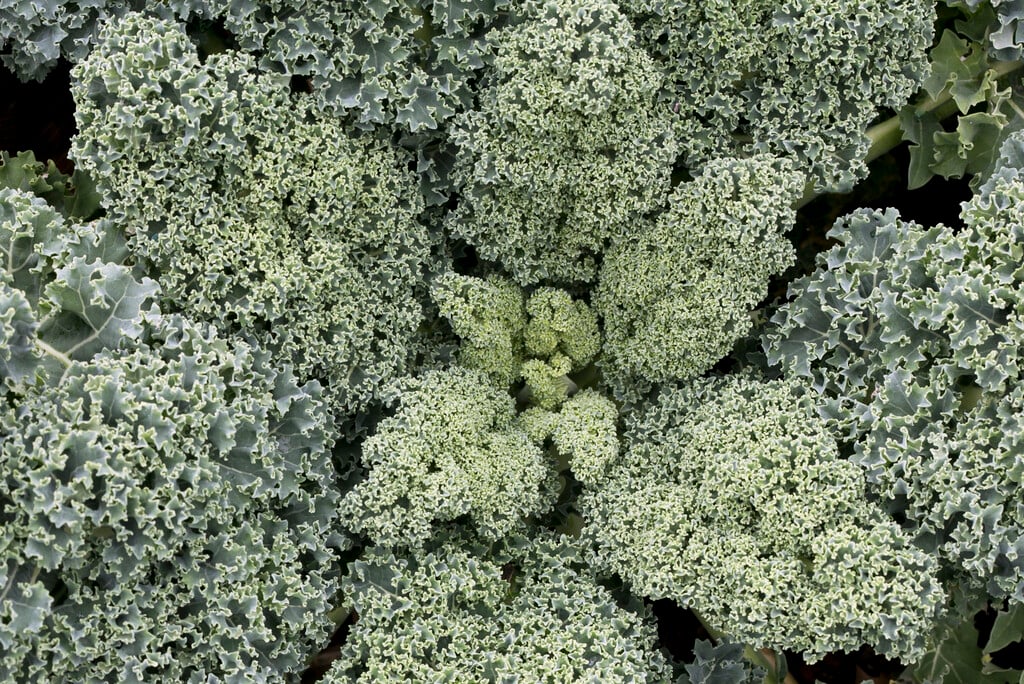
Brassica oleracea (Acephala Group) 'Starbor'

RHS Plant Profile
borecole 'Starbor'
borecole 'Starbor' visionspictures.com

Other common names

curly kale 'Starbor'

Award of Garden Merit
Annual Biennial

A compact cultivar producing plants to around 45cm tall and wide with densely-curled, blue-green leaves. Very winter-hardy enabling year-round harvesting or grow in containers indoors to provide baby leaves

Position

Full sun, Partial shade

Soil Types

Chalk, Clay, Loam, Sand

Max Height

0.1-0.5 metres

Max Spread

0.1-0.5 metres

Size

Time to Maturity
1 year
Max Spread
0.1-0.5 metres
Max Height
0.1-0.5 metres

Growing Conditions

Chalk Clay Loam Sand
Moisture
Moist but well–drained or Well–drained
pH
Alkaline or Neutral

Position

Full sun Partial shade
Aspect
East–facing or North–facing or South–facing or West–facing
Exposure
Exposed or Sheltered
Hardiness
H5

Colour & Scent

Season Stem Flower Foliage Fruit
Spring
Summer
Autumn
Winter

Botanical Details

Family
Brassicaceae
Native to GB/Ireland
No
Foliage
Deciduous
Habit
Clump forming
Genus
Brassicas can be annual, biennial or perennial plants, most are upright with alternate, often glaucous leaves, long taproots and clusters of cross-shaped, yellow or white flowers. The genus includes a number of species bred to produce food crops, such as cabbages, turnips, mustards and oilseed rape, as well as others grown for their ornamental value
Name Status
Accepted

How to Grow

Cultivation

Prefers well drained, alkaline soil. Water regularly in dry periods and add a mulch. See Grow Your Own guide to kale for further information

Propagation

Propagate by seed. See sowing vegetable seeds

Suggested planting locations and garden types

  • Patio and container plants

Pruning

Remove young leaves from the main crown from mid-autumn onwards. Side shoots can be harvested from mid-winter until late spring

Pests

May be susceptible to caterpillars, cabbage whitefly, aphids, flea beetles and slugs and snails

Diseases

May be susceptible to black rot, downy mildew, foot and root rot, grey mould, leaf spot and white blister