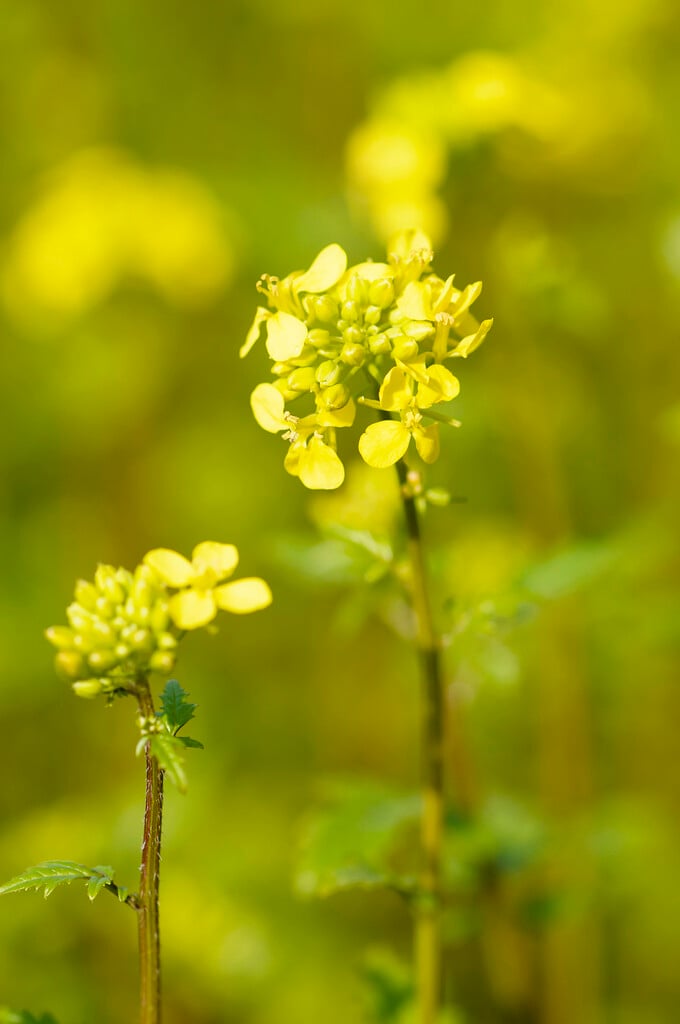
Brassica alba

RHS Plant Profile
white mustard

Other common names

cultivated mustard, salad mustard, yellow mustard

Synonyms

Brassica alba

Annual Biennial

A native annual, widespread throughout lowland Britain, and providing a food source for birds, caterpillars, bees and other insects. A typical brassica with deeply lobed leaves and clusters of four-petalled, white flowers from late spring into summer

Position

Full sun

Soil Types

Chalk, Clay, Loam, Sand

Size

Time to Maturity
1 year

Growing Conditions

Chalk Clay Loam Sand
Moisture
Moist but well–drained or Well–drained
pH
Acid or Alkaline or Neutral

Position

Full sun
Aspect
South–facing or West–facing
Exposure
Exposed or Sheltered
Hardiness
H4

Colour & Scent

Season Stem Flower Foliage Fruit
Spring
Summer
Autumn
Winter

Botanical Details

Family
Brassicaceae
Native to GB/Ireland
Yes
Foliage
Deciduous
Habit
Bushy
Genus
Sinapis are annual herbaceous plants and include species grown for mustard. Reaching a height of between 20cm and 1m, stems are hairy, erect and branched. Leaves are petiolate and between 1 and 4cm long. Bright yellow flowers appear from May through to August/September. The seeds follow and are dark red to brown in colour.
Name Status
Correct

How to Grow

Cultivation

Grown for fodder, green manure or mustard seed, and also found wild on arable or waste ground. Prefers fertile, well-drained soil and a sunny position. See our video How to grow and sow green manure for more advice

Propagation

Propagate by seed

Suggested planting locations and garden types

  • Wildlife gardens

Pruning

No pruning required

Pests

May be susceptible to flea beetles and caterpillars

Diseases

May be susceptible to clubroot