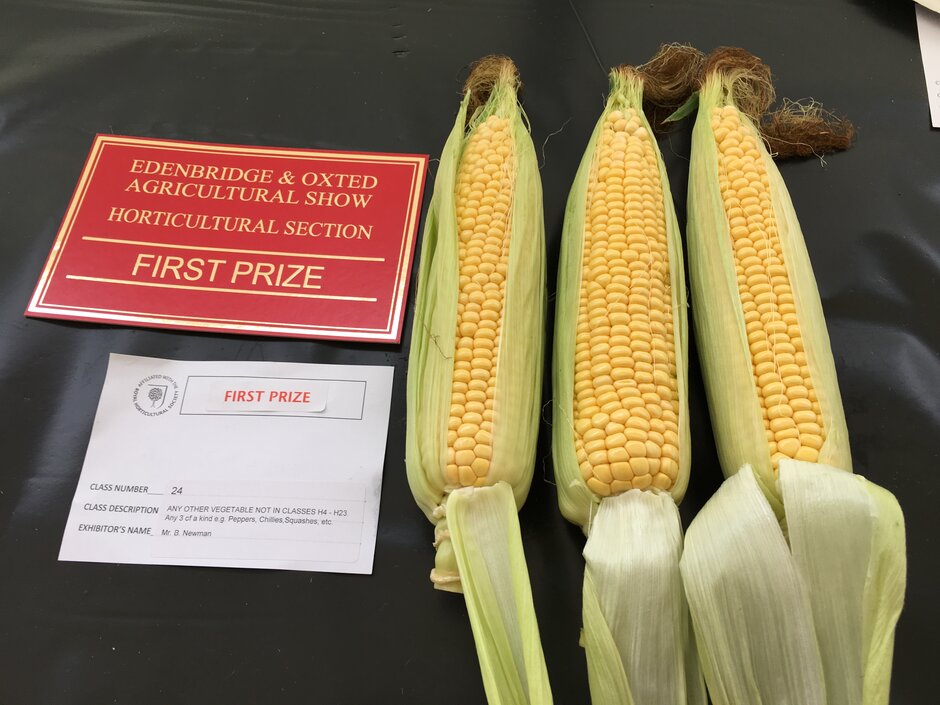
Zea mays 'Lark'

RHS Plant Profile
sweet corn 'Lark'
sweet corn 'Lark' Michael John Day
Award of Garden Merit
Annual Biennial

An extra tender ‘tendersweet’ variety with sweet, soft, delicious cobs. It’s an early to mid-season variety, produces good yields and has good cold soil performance with more reliable germination than most of the supersweet varieties. Sow indoors: April to May. Sow / plant outside: May to June. Harvest: August to September

Position

Full sun

Soil Types

Chalk, Clay, Loam, Sand

Max Height

1.5-2.5 metres

Max Spread

0.5-1 metres

Size

Time to Maturity
1 year
Max Spread
0.5-1 metres
Max Height
1.5-2.5 metres

Growing Conditions

Chalk Clay Loam Sand
Moisture
Moist but well–drained
pH
Acid or Neutral or Alkaline

Position

Full sun
Aspect
East–facing or South–facing or West–facing
Exposure
Sheltered
Hardiness
H2

Colour & Scent

Season Stem Flower Foliage Fruit
Spring
Summer
Autumn
Winter

Botanical Details

Family
Poaceae
Native to GB/Ireland
No
Foliage
Deciduous
Habit
Columnar upright
Genus
A genus of five, large, flowering plants the grass family. The most important species, Zea mays is widely cultivated food crop. Male flowers are borne in large, terminal inflorescences (tassels) and female flowers are hidden in clusters in the leaf axils
Name Status
Accepted

How to Grow

Cultivation

Grow in a sunny, sheltered spot in soil that has been enriched with well-rotted organic matter. Sweetcorn can tolerate many soil types but prefers well-drained soils with a pH between 5.5 and 7.0. Harvest from August to September. See sweetcorn cultivation for futher information.

Propagation

Sow seeds undercover fromApril to May in pots or modules and then plant out May - June after hardening off and the last frosts have passed. Alternatively sow 'in situ' from late spring to early summer. Always plant in a grid pattern to ensure pollination. See sowing vegetable seeds

Pruning

No pruning required.

Pests

May be susceptible to damage from birds, slugs, mice and badgers.

Diseases

May be susceptible to smuts which appear as large galls on the cobs and stalks in hot weather.