Psidium guajava (F)

RHS Plant Profile
common guava
common guava visionspictures.com

Other common names

apple guava, guava, guyaba, tropical guava, yellow guava

Shrubs Trees Conservatory Greenhouse

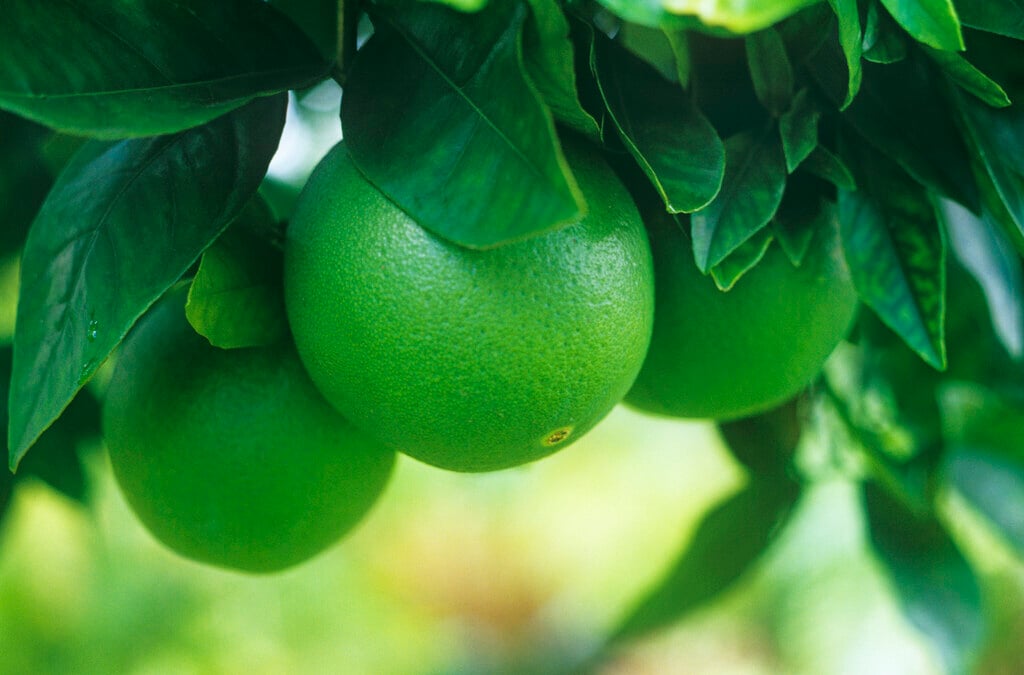
An evergreen shrub or small tree up to 6m tall with prominently-veined, ovate to oblong leaves up to 15cm long with serrated margins. White flowers to 2.5cm across with brush-like clusters of long stamens are borne singly or in small groups and may be produced year-round on newly-emerged lateral shoots. Edible, rounded, egg- or pear-shaped fruits, 2.5 to 10cm long, mature from green to yellowish green with white to deep pink or orange-red flesh

Position

Full sun

Soil Types

Loam, Sand

Max Height

4-8 metres

Max Spread

2.5-4 metres

Size

Time to Maturity
10–20 years
Max Spread
2.5-4 metres
Max Height
4-8 metres

Growing Conditions

Loam Sand
Moisture
Moist but well–drained
pH
Acid or Alkaline or Neutral

Position

Full sun
Aspect
South–facing or West–facing
Exposure
Sheltered
Hardiness
H2

Colour & Scent

Fragrance Flower
Season Stem Flower Foliage Fruit
Spring
Summer
Autumn
Winter

Botanical Details

Family
Myrtaceae
Native to GB/Ireland
No
Foliage
Evergreen
Habit
Bushy
Genus
Psidium are small trees or shrubs with evergreen, simple leaves and axillary flowers, usually borne singly or in threes, which may be followed by small, edible fruits
Name Status
Correct
Horticultural Group
This genus produces fruit, but not necessarily edible fruit
Plant Range
S America, Caribbean

How to Grow

Cultivation

Grow in a greenhouse or conservatory in peat-free, loam-based compost in full light but with shade from hot sun. Can also be grown in containers to stand outside in summer but move inside for winter or provide protection from frost

Propagation

Propagate from seed or from suckers

Suggested planting locations and garden types

  • City and courtyard gardens
  • Patio and container plants
  • Sub-tropical

Pruning

Pruning group 8

Pests

Generally pest-free but may be susceptible to glasshouse red spider mite, glasshouse whitefly and scale insects

Diseases

Generally disease-free