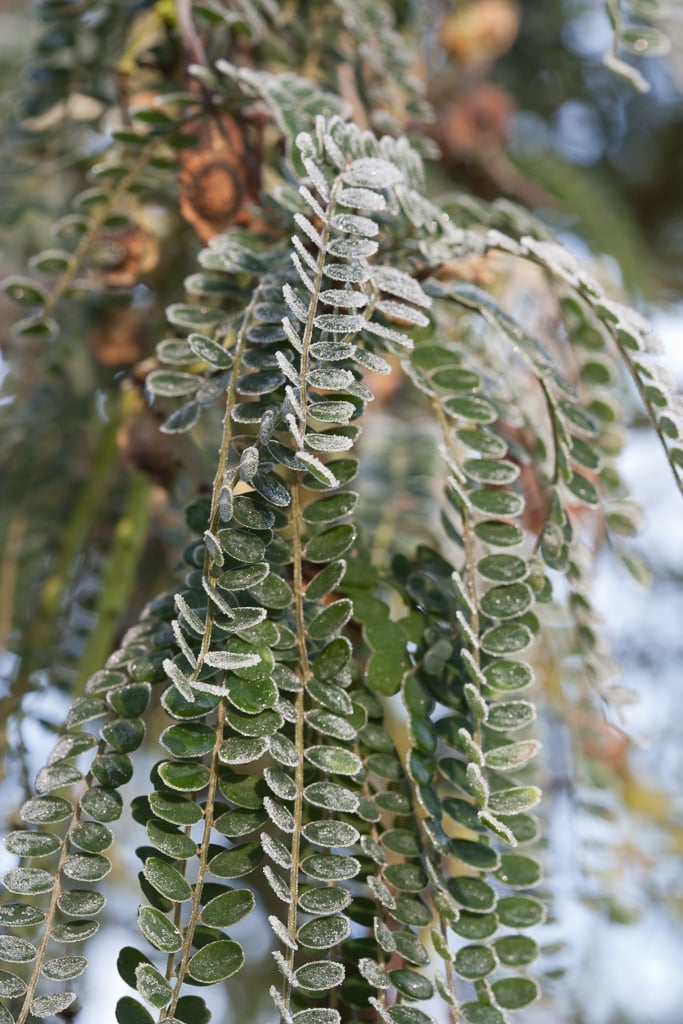
Sophora cassioides

RHS Plant Profile
pelu
pelu John Fielding
Shrubs Trees

A large, deciduous shrub or small tree with slightly zig-zagging branches clothed with dark green leaves each comprising up to 31 small, oval to rounded leaflets. Clusters of bright yellow flowers in groups of three to seven are produced in spring and followed by woody fruits resembling strings of beads

Position

Full sun

Soil Types

Chalk, Loam, Sand

Max Height

4-8 metres

Max Spread

4-8 metres

Size

Time to Maturity
10–20 years
Max Spread
4-8 metres
Max Height
4-8 metres

Growing Conditions

Chalk Loam Sand
Moisture
Well–drained
pH
Acid or Alkaline or Neutral

Position

Full sun
Aspect
South–facing or West–facing
Exposure
Sheltered
Hardiness
H3

Colour & Scent

Season Stem Flower Foliage Fruit
Spring
Summer
Autumn
Winter

Botanical Details

Family
Fabaceae
Native to GB/Ireland
No
Foliage
Deciduous
Habit
Bushy
Potentially harmful
Harmful if eaten. Wear gloves and other protective equipment when handling Pets (dogs): Harmful if eaten - for further information and contact numbers regarding pets, see the HTA guide to potentially harmful plants
Genus
Sophora are deciduous or evergreen trees and shrubs with pinnate leaves and pea-like flowers, sometimes fragrant, in racemes or panicles
Name Status
Correct
Plant Range
Chile

How to Grow

Cultivation

Grow in moderately fertile soil in full sun in a sheltered site

Propagation

Propagate by seed sown in a container in a cold frame as soon as ripe

Suggested planting locations and garden types

  • Coastal
  • Cottage and informal garden
  • City and courtyard gardens
  • Flower borders and beds
  • Wall side borders

Pruning

Pruning group 1

Pests

Generally pest-free

Diseases

May be susceptible to honey fungus (rarely)