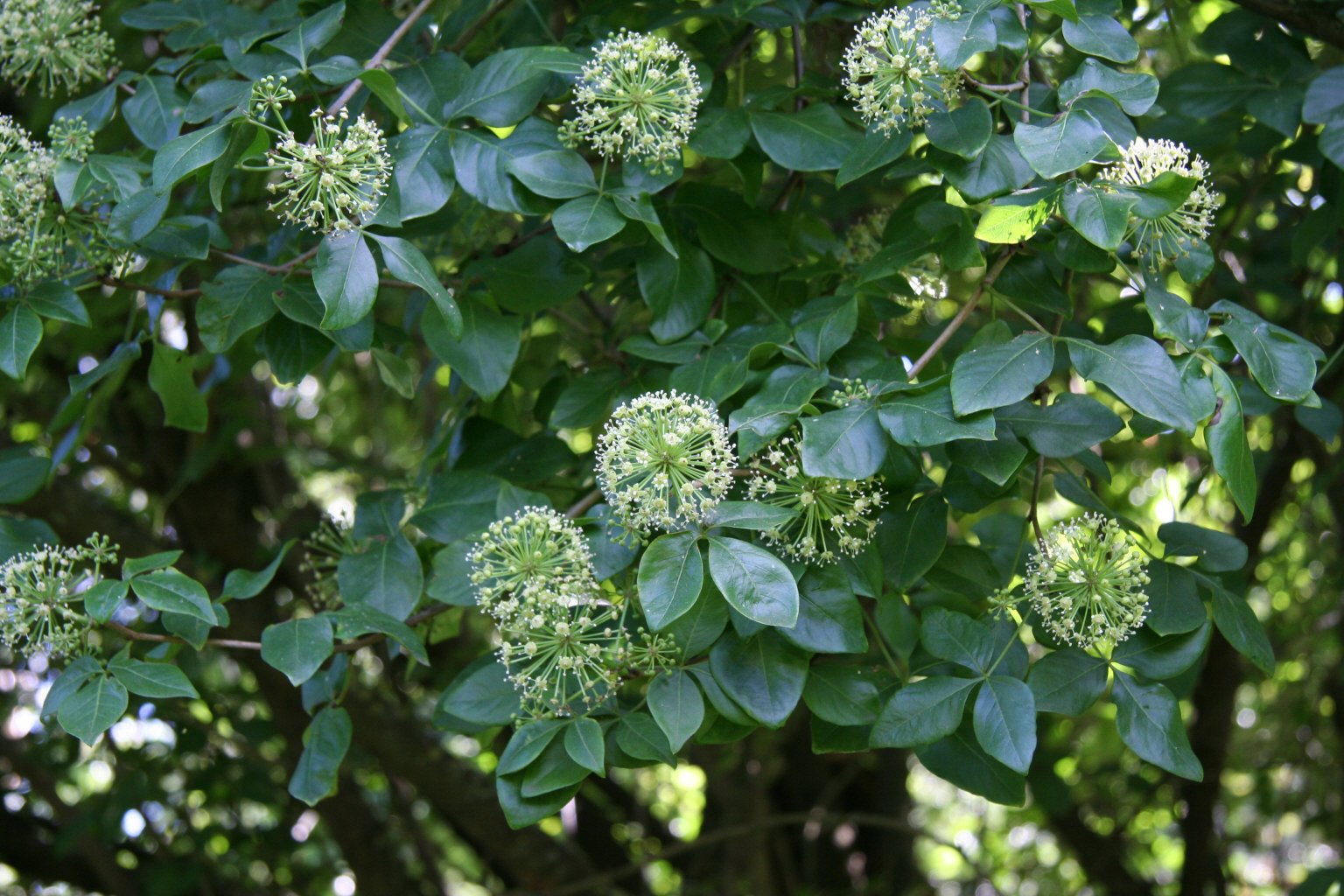
Eleutherococcus sieboldianus

RHS Plant Profile
Siebold eleutherococcus
Siebold eleutherococcus RHS

Synonyms

Eleutherococcus spinosus misapplied
Acanthopanax spinosus misapplied
Acanthopanax sieboldianus
Acanthopanax pentaphyllus
Aralia pentaphylla

Shrubs

A spiny deciduous shrub of lax, scrambling habit, with bright green leaves divided into about seven lance-shaped segments, and greenish-white flowers in late spring and early summer

Position

Full sun, Partial shade

Soil Types

Chalk, Loam, Sand

Max Height

1.5-2.5 metres

Max Spread

1.5-2.5 metres

Size

Time to Maturity
10–20 years
Max Spread
1.5-2.5 metres
Max Height
1.5-2.5 metres

Growing Conditions

Chalk Loam Sand
Moisture
Moist but well–drained or Well–drained
pH
Acid or Alkaline or Neutral

Position

Full sun Partial shade
Aspect
South–facing or East–facing or North–facing or West–facing
Exposure
Exposed or Sheltered
Hardiness
H6

Colour & Scent

Season Stem Flower Foliage Fruit
Spring
Summer
Autumn
Winter

Botanical Details

Family
Araliaceae
Native to GB/Ireland
No
Foliage
Deciduous
Habit
Bushy
Genus
Eleutherococcus are deciduous trees, shrubs and climbers with palmately lobed leaves and tiny white flowers borne in simple or compound umbels, followed by black fruits
Name Status
Correct
Plant Range
E China

How to Grow

Cultivation

Grow in well-drained poor to moderatelly fertile soil, ideally in full sun, but it will tolerate shade and clay soils if well-drained

Propagation

Propagate by seed in autumn or spring. Take softwood cuttings in early summer or root cuttings in winter

Suggested planting locations and garden types

  • Coastal
  • Cottage and informal garden
  • Flower borders and beds

Pruning

Pruning group 1, but it will usually tolerate renovation pruning in winter

Pests

Generally pest-free

Diseases

Generally disease-free