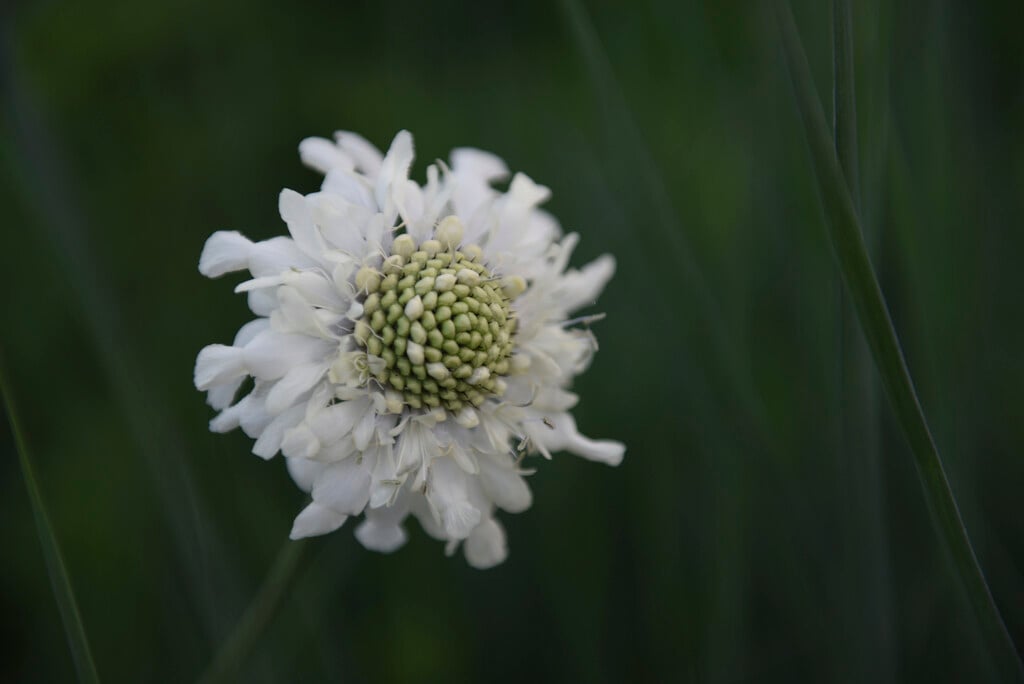
Cephalaria alpina

<em>Cephalaria</em> <em>alpina</em> visionspictures.com

Synonyms

Scabiosa alpina L.

Herbaceous Perennial

A perennial to 1.8m tall with divided, toothed and hairy leaves and strong, upright, branching stems bearing pale yellow-cream flowerheads with pincushion-like centres in summer

Position

Full sun, Partial shade

Soil Types

Chalk, Clay, Loam, Sand

Max Height

1.5-2.5 metres

Max Spread

0.5-1 metres

Size

Time to Maturity
2–5 years
Max Spread
0.5-1 metres
Max Height
1.5-2.5 metres

Growing Conditions

Chalk Clay Loam Sand
Moisture
Moist but well–drained
pH
Acid or Alkaline or Neutral

Position

Full sun Partial shade
Aspect
South–facing or West–facing or East–facing or North–facing
Exposure
Exposed or Sheltered
Hardiness
H7

Colour & Scent

Season Stem Flower Foliage Fruit
Spring
Summer
Autumn
Winter

Botanical Details

Family
Caprifoliaceae
Native to GB/Ireland
No
Foliage
Deciduous
Habit
Columnar upright
Genus
Cephalaria are annuals or perennials with pinnately divided leaves and scabious-like flower-heads
Name Status
Correct
Plant Range
Alps

How to Grow

Cultivation

Grow in a fertile, well-drained soil in sun or partial shade. Needs staking in exposed gardens; see staking perennials for further advice

Propagation

Propagate by seed or by division

Suggested planting locations and garden types

  • Cottage and informal garden
  • Cut flowers
  • Flower borders and beds

Pruning

Cut back after flowering

Pests

Generally pest-free

Diseases

Generally disease-free