Cleretum bellidiforme

RHS Plant Profile
Livingstone daisy
Livingstone daisy RHS 1999

Synonyms

Dorotheanthus bellidiformis
Cleretum cuneifolium
Cleretum limpidum
Mesembryanthemum criniflorum

Annual Biennial Cactus Succulent

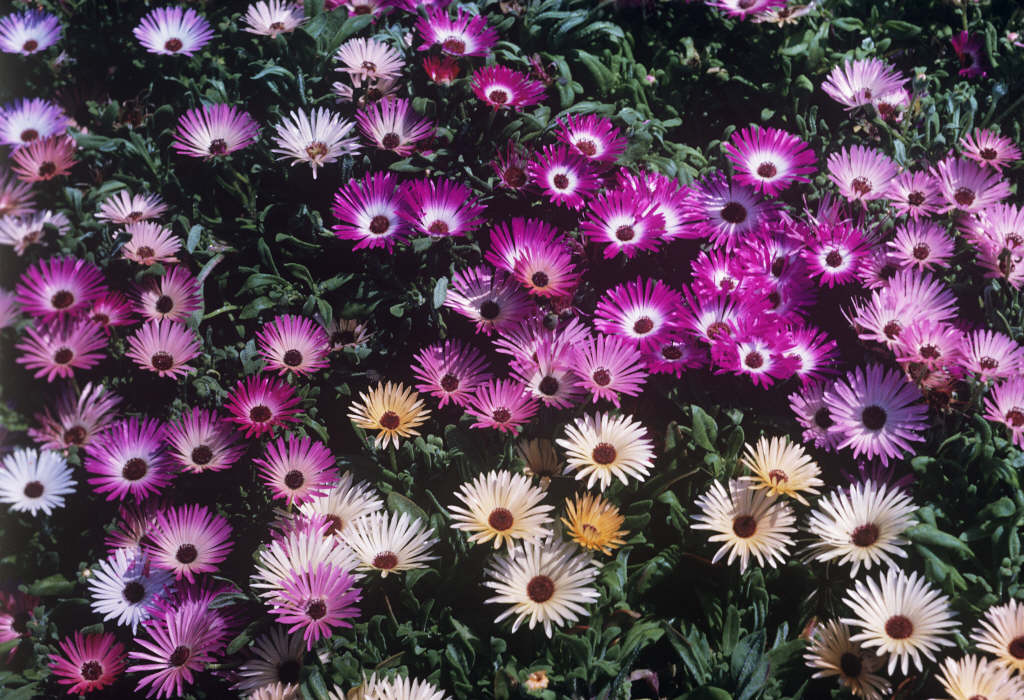
A low-growing succulent annual with grey-green pimply leaves. Daisy-like flowers 2.5cm across in shades of pink, purple, cream, orange and yellow appear from spring to summer. Ideal for edging borders or as a choice for rockeries and heat and drought-resistant

Position

Full sun

Soil Types

Chalk, Loam, Sand

Max Height

Up to 10 cm

Max Spread

0.1-0.5 metres

Size

Time to Maturity
1–2 years
Max Spread
0.1-0.5 metres
Max Height
Up to 10 cm

Growing Conditions

Chalk Loam Sand
Moisture
Well–drained
pH
Acid or Alkaline or Neutral

Position

Full sun
Aspect
East–facing or South–facing
Exposure
Exposed or Sheltered
Hardiness
H3
Drought Resistance
Yes

Colour & Scent

Season Stem Flower Foliage Fruit
Spring
Summer
Autumn
Winter

Botanical Details

Family
Aizoaceae
Native to GB/Ireland
No
Foliage
Deciduous
Habit
Matforming
Genus
A genus of flowering low-growing annual succulents with grey-green foliage and masses of brightly coloured daisy-like flowers in shades of pink, yellow, purple, white, orange and red
Name Status
Correct
Plant Range
S Africa (Cape)

How to Grow

Cultivation

Grow in well-drained, low fertility soil in full sun. See hardy cacti and succulent cultivation for further advice

Propagation

Propagate by seed sown at 16-19°C in late winter or spring

Suggested planting locations and garden types

  • City and courtyard gardens
  • Coastal
  • Cottage and informal garden
  • Gravel garden
  • Mediterranean climate plants
  • Patio and container plants
  • Banks and slopes
  • Flower borders and beds
  • Garden edging

Pruning

Cut back after flowering

Pests

May be susceptible to aphids, slugs and snails

Diseases

Generally disease-free