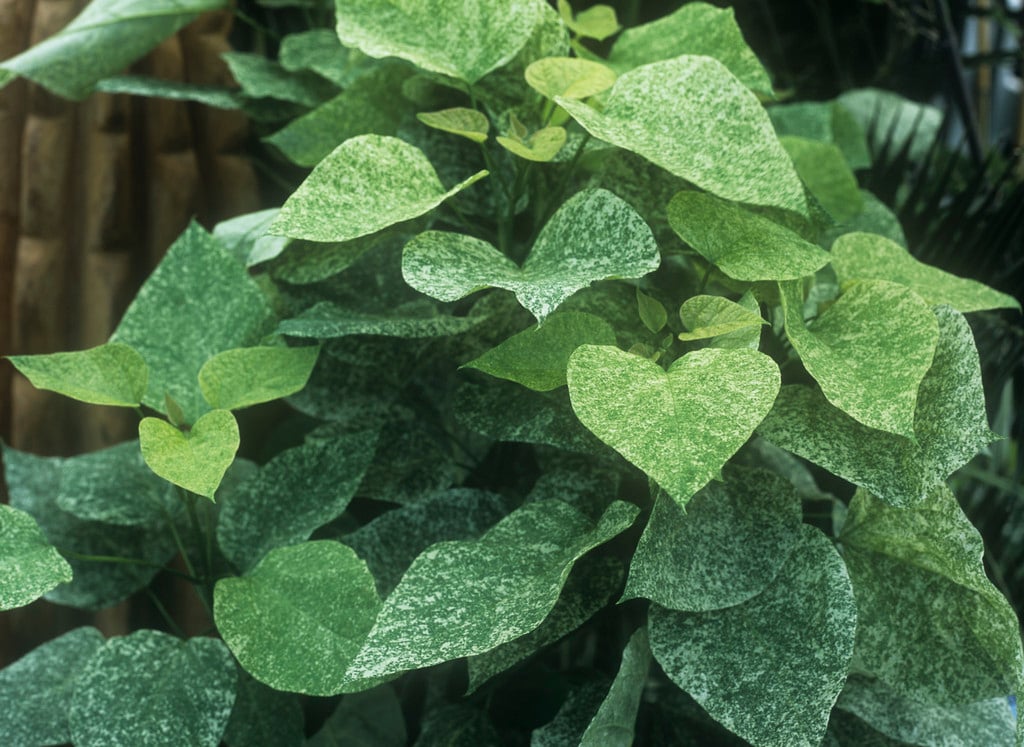
Catalpa speciosa 'Pulverulenta' (v)

RHS Plant Profile
catawba 'Pulverulenta'
catawba 'Pulverulenta' RHS

Synonyms

Catalpa bignonioides subsp. pulverulenta

Trees

A slow-growing, spreading tree with large, heart-shaped leaves heavily speckled with creamy-white. Upright sprays of purple- and yellow-spotted, white flowers form on mature trees in mid-summer, followed by long, slender bean-like seedpods

Position

Full sun

Soil Types

Chalk, Clay, Loam, Sand

Max Height

4-8 metres

Max Spread

4-8 metres

Size

Time to Maturity
20–50 years
Max Spread
4-8 metres
Max Height
4-8 metres

Growing Conditions

Chalk Clay Loam Sand
Moisture
Moist but well–drained
pH
Acid or Alkaline or Neutral

Position

Full sun
Aspect
West–facing or South–facing or East–facing
Exposure
Sheltered
Hardiness
H6

Colour & Scent

Season Stem Flower Foliage Fruit
Spring
Summer
Autumn
Winter

Botanical Details

Family
Bignoniaceae
Native to GB/Ireland
No
Foliage
Deciduous
Habit
Spreading branched
Genus
Catalpa are deciduous trees of spreading habit, with handsome, large leaves and erect panicles of showy, bell-shaped flowers in late summer, followed by persistent, slender bean-like seed capsules
Name Status
Accepted

How to Grow

Cultivation

Grow in a moist but well-drained, fertile soil in a sunny position. Shelter from strong winds as these may shred the large leaves. Protect from late spring frosts when young

Propagation

Propagate by softwood cuttings or grafting

Suggested planting locations and garden types

  • Architectural
  • Sub-tropical
  • City and courtyard gardens
  • Flower borders and beds

Pests

Generally pest-free

Diseases

May be susceptible to verticillium wilt and rarely, honey fungus