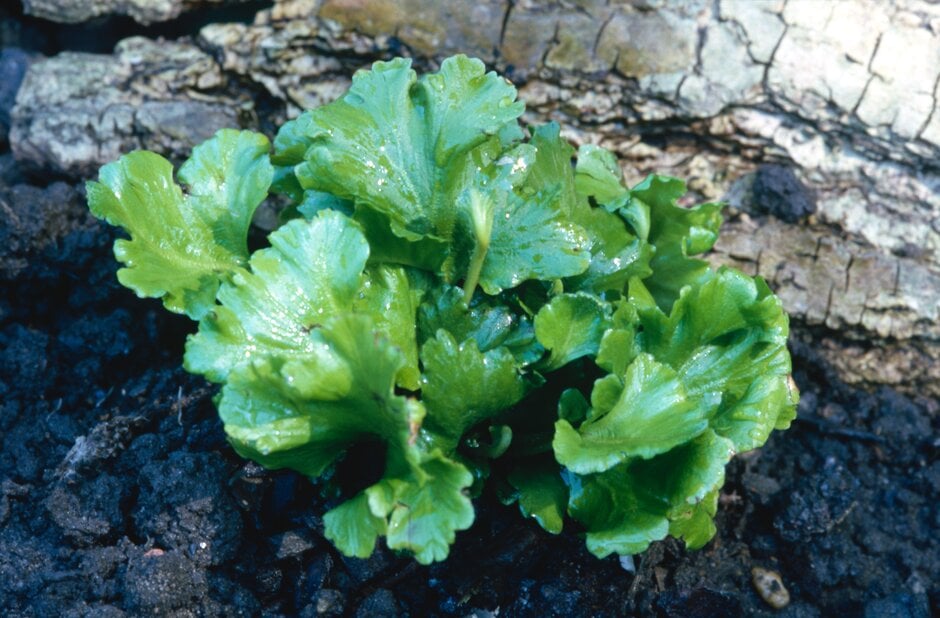
Asplenium scolopendrium 'Kaye's Lacerated'

RHS Plant Profile
hart's tongue fern 'Kaye's Lacerated'
hart's tongue fern 'Kaye's Lacerated' RHS

Synonyms

Phyllitis scolopendrium (Laceratum Group) 'Kayes Variety'

Award of Garden Merit
Ferns

A robust, evergreen fern with broadly strap-shaped rich green fronds, the margins deeply and irregularly lobed

Position

Full shade, Partial shade

Soil Types

Chalk, Clay, Loam, Sand

Max Height

0.1-0.5 metres

Max Spread

0.1-0.5 metres

Size

Time to Maturity
2–5 years
Max Spread
0.1-0.5 metres
Max Height
0.1-0.5 metres

Growing Conditions

Chalk Clay Loam Sand
Moisture
Moist but well–drained
pH
Alkaline or Neutral

Position

Full shade Partial shade
Aspect
South–facing or North–facing or West–facing or East–facing
Exposure
Exposed or Sheltered
Hardiness
H5

Colour & Scent

Season Stem Flower Foliage Fruit
Spring
Summer
Autumn
Winter

Botanical Details

Family
Aspleniaceae
Native to GB/Ireland
No
Foliage
Evergreen
Habit
Bushy
Genus
Asplenium are evergreen ferns with short, usually erect rhizomes bearing a rosette of slightly leathery fronds which may be simple, pinnate to 3-pinnate
Name Status
Accepted

How to Grow

Cultivation

Grows well in humus-rich, moist but well-drained soil. Bright mid-day sun can cause damage. May be sensitive to fungicides. Tolerant of dry shade, but water regularly during the first season and mulch well. See how to grow ferns for further advice

Propagation

Propagate by division, or propagate by sowing spores as soon as ripe at 15°C

Suggested planting locations and garden types

  • City and courtyard gardens
  • Cottage and informal garden
  • Patio and container plants
  • Flower borders and beds
  • Ground cover
  • Banks and slopes

Pruning

Dead or damaged fronds may be removed as necessary

Pests

May be susceptible to Acer gall mite, aphids, caterpillars and horse chestnut scale

Diseases

May be susceptible to Verticillium wilt, Acer leaf scorch and honey fungus