Festuca glauca Vill.

RHS Plant Profile
blue fescue
blue fescue RHS

Other common names

grey fescue, ornamental blue fescue grass

Synonyms

Festuca ovina 'Glauca'

Grass Like

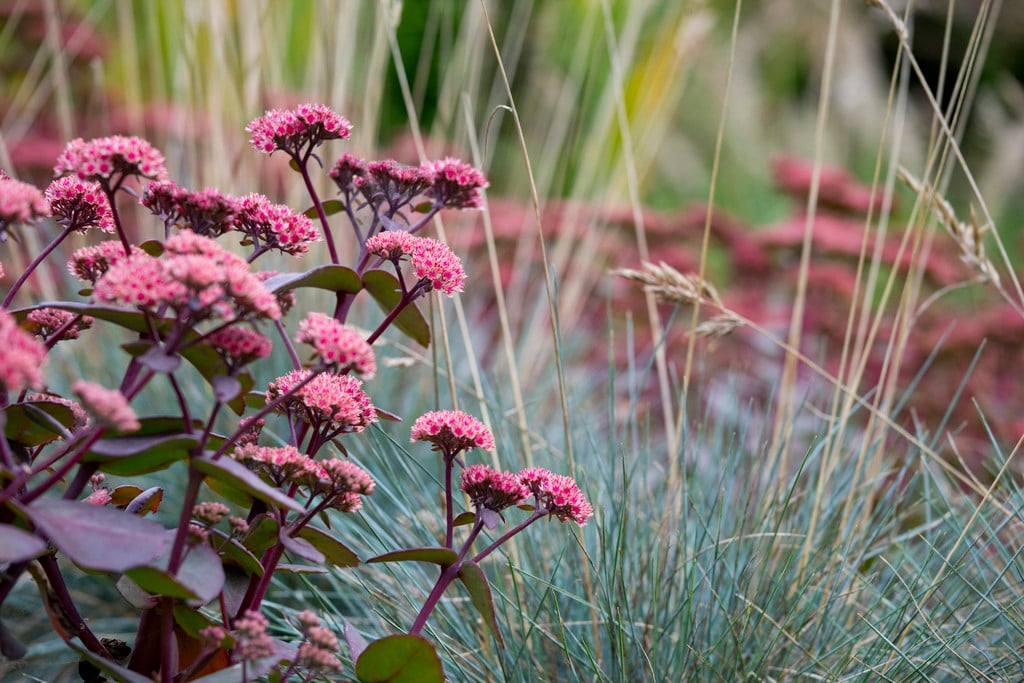
An evergreen grass which forms small cushions of very fine, inrolled, ice blue leaves, becoming greener in winter. From late spring to summer it bears narrow, bristly blue-green flower plumes that turn golden-brown

Position

Full sun

Soil Types

Chalk, Loam, Sand

Max Height

0.1-0.5 metres

Max Spread

0.1-0.5 metres

Size

Time to Maturity
2–5 years
Max Spread
0.1-0.5 metres
Max Height
0.1-0.5 metres

Growing Conditions

Chalk Loam Sand
Moisture
Moist but well–drained or Well–drained
pH
Acid or Alkaline or Neutral

Position

Full sun
Aspect
South–facing or East–facing or West–facing
Exposure
Exposed or Sheltered
Hardiness
H5

Colour & Scent

Season Stem Flower Foliage Fruit
Spring
Summer
Autumn
Winter

Botanical Details

Family
Poaceae
Native to GB/Ireland
No
Foliage
Evergreen
Habit
Tufted
Genus
Festuca can be herbaceous or evergreen, rhizomatous grasses with linear, often strikingly coloured, leaves, and dense or lax panicles of brownish flowers in summer
Name Status
Correct
Plant Range
SW Europe

How to Grow

Cultivation

Grow in poor to moderately fertile, well-drained soil in full sun. Clumps tend to die out in the centre. Ideally divide every three years. Further ornamental grasses cultivation advice

Propagation

Propagate by seed sown in pots in a cold frame in spring or by division in spring

Suggested planting locations and garden types

  • City and courtyard gardens
  • Cottage and informal garden
  • Patio and container plants
  • Rock garden
  • Low Maintenance
  • Flower borders and beds

Pruning

Comb out dead foliage in spring and trim off damaged parts on older foliage

Pests

Generally pest-free

Diseases

May be susceptible to a rust