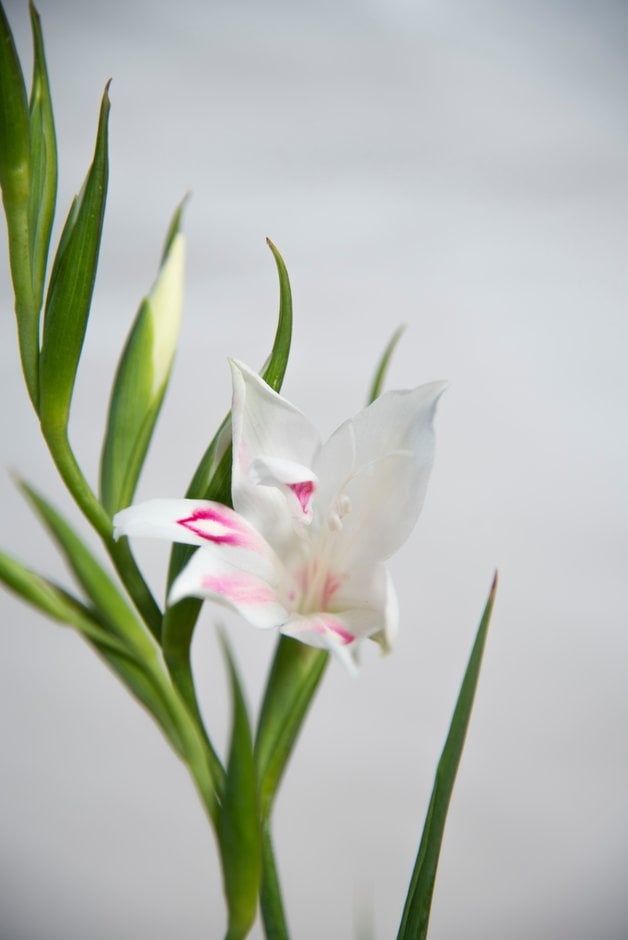
Gladiolus 'Nymph' (N)

RHS Plant Profile
sword lily 'Nymph'
sword lily 'Nymph' RHS

Synonyms

Gladiolus nanus 'Nymph'

Bulbs

Grows to around 70cm tall, with flowers 5cm across, white with dark pink markings on the lower petals

Position

Full sun

Soil Types

Chalk, Loam, Sand

Max Height

0.5-1 metres

Max Spread

0-0.1 metre

Size

Time to Maturity
1–2 years
Max Spread
0-0.1 metre
Max Height
0.5-1 metres

Growing Conditions

Chalk Loam Sand
Moisture
Well–drained
pH
Acid or Alkaline or Neutral

Position

Full sun
Aspect
West–facing or South–facing
Exposure
Sheltered
Hardiness
H3

Colour & Scent

Season Stem Flower Foliage Fruit
Spring
Summer
Autumn
Winter

Botanical Details

Family
Iridaceae
Native to GB/Ireland
No
Foliage
Deciduous
Habit
Columnar upright
Potentially harmful
Ornamental bulbsnot to be eaten. Wear gloves and other protective equipment when handling. Pets: Harmful if eaten. For further information and contact numbers regarding pets, see the HTA guide to potentially harmful plants
Genus
Gladiolus are cormous perennials with fans of sword-shaped or linear leaves and spikes of funnel-shaped flowers
Name Status
Accepted
Horticultural Group
A dwarf, early-flowering gladioli with small, star-shaped flowers in soft, pastel colours with contrasting throat markings

How to Grow

Cultivation

Plant 10 to 16cm deep in fertile, well-drained soil preferably in full sun. Lift when foliage dies back, discard old corms and store new corms in a dry, frost-free place until planting in the spring. In milder areas a thick, dry winter mulch may suffice

Propagation

Propagte by separating cormlets when dormant

Suggested planting locations and garden types

  • Coastal
  • Patio and container plants
  • City and courtyard gardens
  • Cottage and informal garden
  • Cut flowers
  • Flower borders and beds

Pruning

Remove spent flower stems and allow foliage to die down naturally

Pests

May be susceptible to gladiolus thrip, aphids and slugs

Diseases

May be susceptible to gladiolus corm rot, grey moulds (Botrytis), Fusarium bulb rot, gladiolus core rot, gladiolus dry rot, gladiolus scab and neck rot, fungal leaf spot, and virus diseases