Quick Facts
Tough, hardy perennial
1
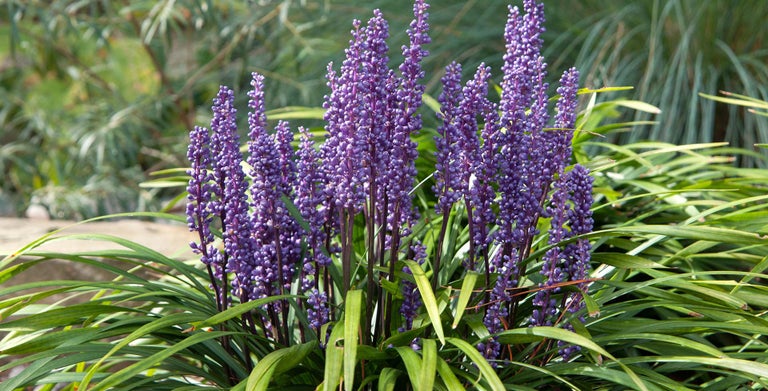
Evergreen leaves for all year round interest
2
Purple or white autumn flowers
3
Good for ground cover
4
Easy to grow in dappled shade
5
Needs some sun to flower well
6
Suitable for most soils, including dryer spots
7
Rabbits do not eat this plant
8


Before you get started
Liriopes are hardy perennials ideal for shady borders. They are grown for their evergreen foliage and flowers, which appear in late summer to autumn. When choosing one to grow, the main difference between the cultivars is the flower colour and foliage markings such as white or yellow stripes.
Flowers and foliage
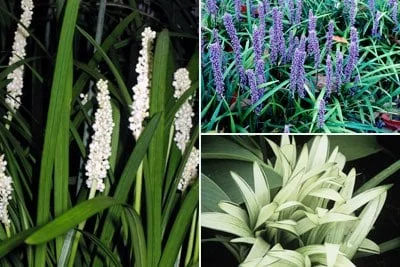
The tiny purple or white bell-shaped flowers appear on stalks like drumsticks in early autumn. These provide a welcome splash of late colour in borders.
Although leaves are usually plain green, there are cultivars with yellow or white stripes on leaves such as Liriope muscari ‘John Burch. The new leaves of Liriope muscari ‘Okina’ emerge almost pure white in spring before maturing to green.
The most widely grown is the plain green leaved Liriope muscari. It forms dense clumps with grass-like leaves, reaching 25-45cm (10-18in) in height. The less well known Liriope spicata has a more spreading habit making it good choice for a dense ground cover in shadier spots.
Buying Liriope
If you are looking around garden centres when they start to flower in late summer, you will find Liriope muscari widely offered for sale as starter plants in 7.5-10cm (3-4in) pots or as larger plants in one to two litre containers.
For planting at other times of year, or if you fancy less common cultivars, you may need to buy plants from mail order suppliers or specialist nurseries.
Specialist nursery Barracott Plants
National Collection holder
Use the RHS Find a Plant tool to find stockists nearby or mail order suppliers.
Planting
When to plant Liriope
Container-grown plants can be planted any time of years as long as the soil is not frozen or , although the best time to plant is in spring or early autumn. If planting during the summer moths, water new plantings well during dry spells to ensure good establishment..
Plant in partial shade where the liriopes will get some sun for part of the day. This will encourage good flowering. When planted in deeper shade, liriopes will be shy to flower. Alternatively plant in a sunnier spot if the soil does not dry out for weeks in summer or it can be watered.
How to plant Liriope
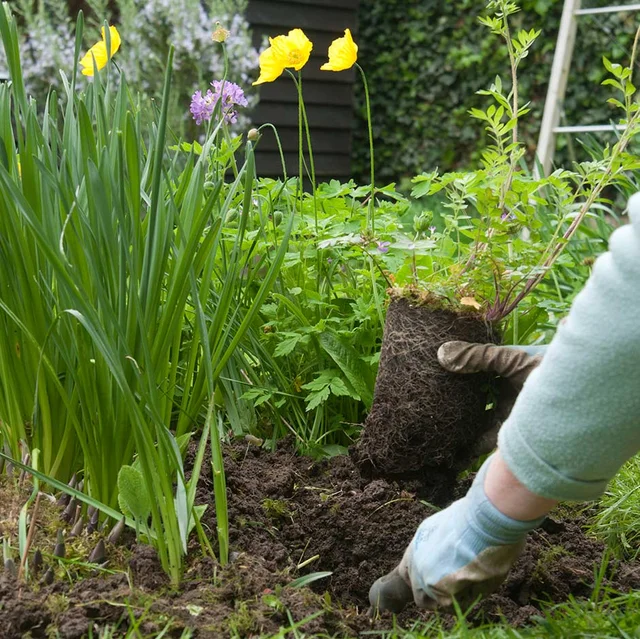
- Water the pot well before planting
- Make the planting hole as deep as the and two to three times wider
- Plant so the surface of the in the pot should be level with the surrounding soil
- Leave 30-45cm (1ft-18in) between individual plants
- Firm in well the soil around the rootball and water in to settle soil around the roots
Ongoing Care
Routine care of Liriope
- Water newly planted liriopes during the first year in dry spells help them establish well
- Mature clumps seldom need regular watering, apart from when the summer is very dry or if the plants are growing in full sun
- Apply a general fertiliser in spring to boost growth if the plants seem to be struggling
- The poor performance may be caused by excessive dryness of the soil and mulching with organic matter such as garden or a manure-based soil conditioner and watering may help more than feeding
Top tip
Liriope need sunshine for a part of the day to flower well.
Pruning and Training
Pruning Liriope
Liriope muscari – remove old dead and damaged leaves in spring by hand. After few years the leaves can look untidy and you can rejuvenate the plants by cutting them hard back in spring.
Liriope spicata – the finer foliage is often damaged by the winter weather, so the plants often benefit from annual sheering of the leaves in spring.
Deadheading
Do not remove flower spikes after flowering as the bell-shaped flowers are followed by dark purple berries. Prune the old flower spikes out when tidying up the clumps in spring.
Propagating
Division
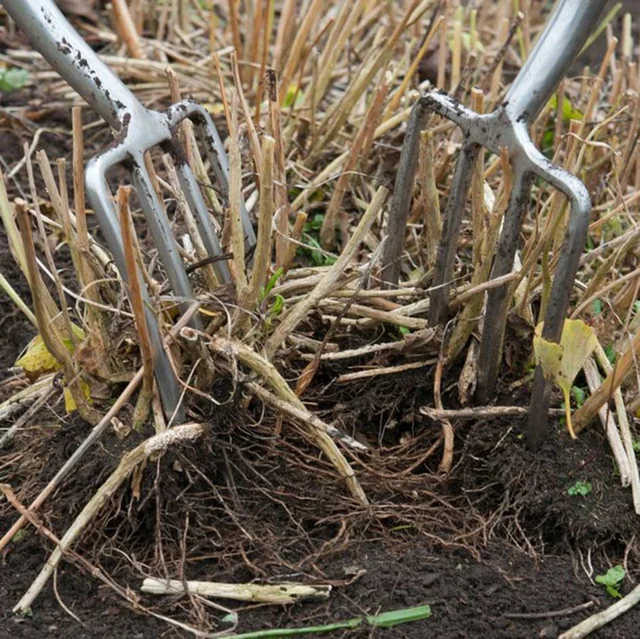
Easily propagated by dividing the plants in spring. Do not be alarmed by the white 'lumps' you will find on the roots. Liriopes have fibrous roots with scattered tubers them.
From seed
If you want a bit of challenge, you can try sowing seed extracted from the berries in trays or containers in spring and maintain a temperature of 10°C (50°F). Bear in mind that cultivars are unlikely to come true from seed, so these are best divided.
Problems
Liriopes are usually not troubled by pests and diseases.
Poor growth and flowering
Dryness of the soil can result in poor growth. Try mulching with organic matter such as garden or a manure-based soil conditioner and water during dry spells. If growing sunny spot, consider moving the plants to light shade.
If grown in deep shade Liriope produce very few or no flowers. Try pruning back overhanging branches to allow more sunshine to reach the plants or move to a spot where they get sunshine for a part of the day.