Quick Facts
Brightly coloured or variegated leaves
1
Heights range from under 1m (3⅓ft) to 2.4m (8ft)
2
Good for coastal planting
3
Prefers full sun
4
Plant in spring or early autumn
5
Drought tolerant once established
6
In cold areas protect the base by mulching
7
Not palatable to deer and rabbits
8


Before you get started
Choosing phormiums
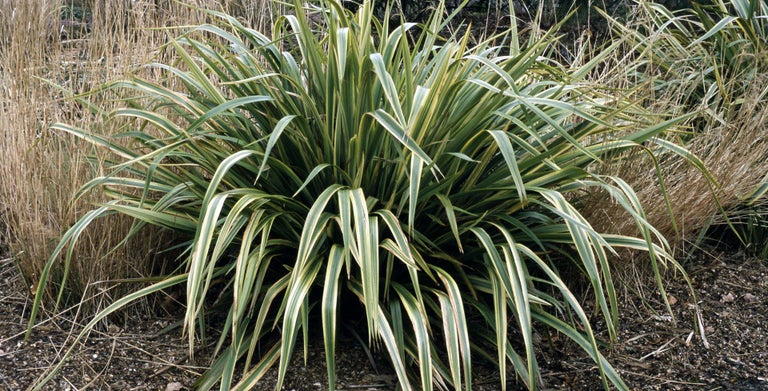
Phormiums are mainly chosen for their height and leaf colour. There are forms with upright growing habit such as Phormium 'Sundowner' and Phormium tenax Purpureum Group that will reach over 2m (6⅔ft) in height, which you can plant at the back of a border. Others such as Phormium 'Jester' and 'Platt's Black' have more arching leaves growing around 1.2m (4ft) and work well as border highlights or as container plants. They all form slowly spreading clumps, making them a great choice for gravel gardens and focal point planting.
Hardiness
Though most are hardy in average UK winters, mulching and wrapping may be needed to prevent winter damage during cold winters and in northern parts of the UK. Check the hardiness of your plant on the label as some are borderline hardy, such as Phormium ‘Duet', and can suffer when the temperature drops below -5°C; others such Phormium tenax Purpureum Group can withstand temperatures of -10°C or more.
Buying phormiums
Container-grown plants are available to buy all year round. Check the label for height and spread to make sure it is suitable for intended spot in your garden. Although they can be sold as small plants, phormiums can grow into a sizeable clump in just a few years.
Use our handy Find a Plant tool to find suppliers.
Planting
When to plant
As phormiums are not fully hardy, the best time to plant is in spring so the plants have time to establish well before the weather turns cold and wet. Planting during the summer and early autumn is also possible, but late plantings are more prone to winter cold and wet damage.
Where to plant
Bear the following in mind when choosing a site for your plant:
- Phormiums are well suited to a sunny border, sheltered from prevailing cold winds
- In colder areas, grow in a sheltered spot, for example close to south-facing wall or fence
- Plant in soil that is not prone to staying wet over winter
- Check the height and spread of the chosen plant to make sure it is suitable for the situation you have in mind
- Allow plenty of free space around them to stop phormium leaves smothering other plants
How to plant
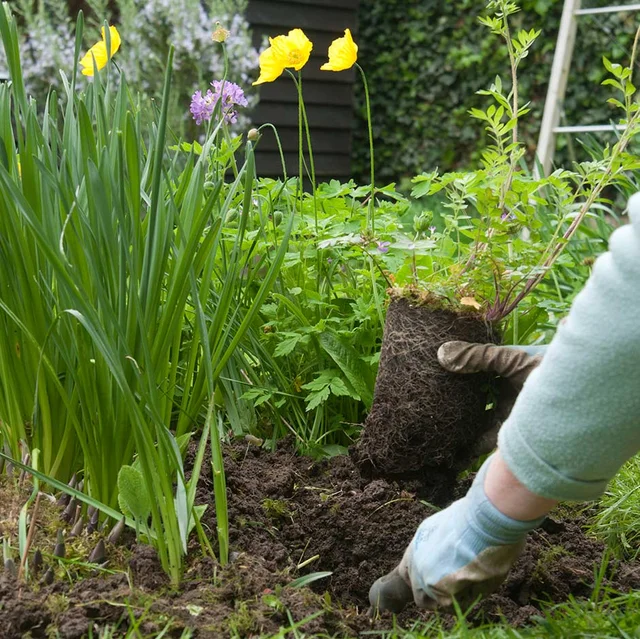
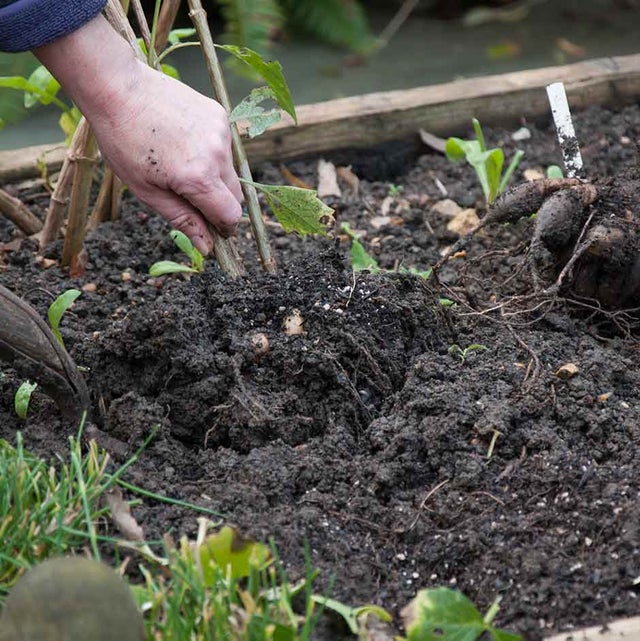
Do not be tempted to plant phormiums deeper to help protect the base from frost damage. Plant at the same level as it is growing in the container.
Our guide below takes you step-by-step through planting perennials like phormiums.
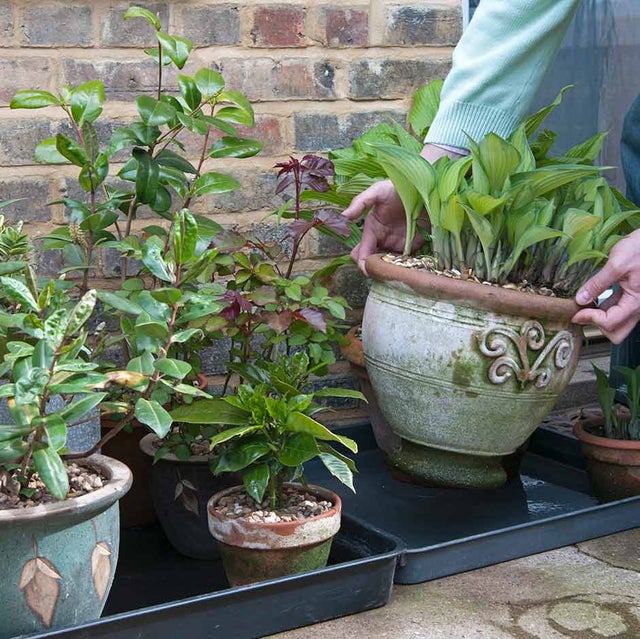
Phormiums in containers
The striking foliage makesphormiums a great structural, focal-point plant for containers.
- When potting up in spring, increase the size of the container gradually each year by up to 5cm (2in) all round the
- Aim for a final size container of about 45-50cm (18-20in) cm deep and wide. This will be sufficient for cultivars growing up to 1.5m (5ft) in height. Larger cultivars are likely to need bigger container in time else they become top heavy and fall over in windy spells
- Grow in a peat free multi-purpose with added John Innes potting compost. Mix in horticultural grit to improve drainage, about 10% by volume
- Over time, the clumps may become congested and can benefit from being divided in spring. See Propagation below
Ongoing Care
Watering
- Water newly-planted phormiums during the first year after planting in the ground during dry spells, especially in summer
- usually cope well with drought and shouldn't need any additional water
- Container-grown phormiums are more vulnerable to drought damage. Water pots as needed, aiming to keep the moist, but not soggy
Feeding
- Plants in the ground shouldn't need feeding
- Container-grown plants can benefit from feeding from late spring to mid-summer using an organic-based, balanced liquid fertiliser. Always follow the dosage instructions and frequency on the pack
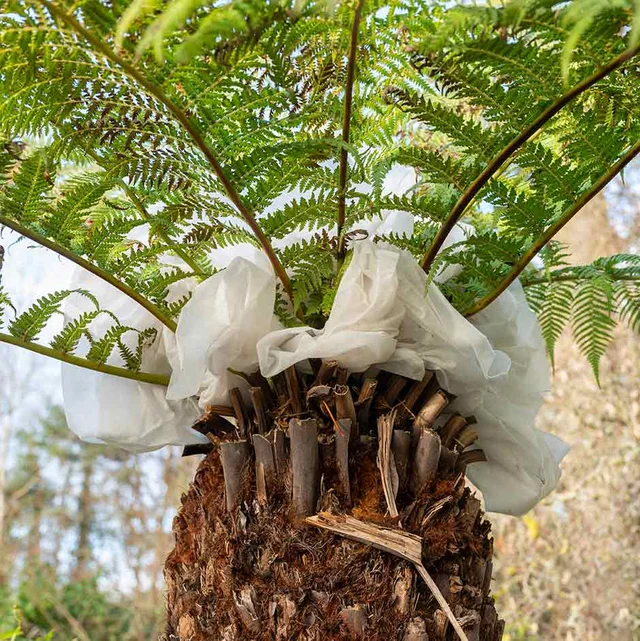
Winter protection
Though phormiums are hardy in average winters, some protection may be needed.
Pruning and Training
Pruning
Phormiums are evergreen perennials so they don't need regular pruning, but older clumps benefit from a tidy-up in spring
- In spring remove old, withering or winter damaged leaves Try pulling them away by hand or cut off as close to the base as you can manage
- Whilst tidying up in spring, cut out the old flower stems as low down as possible without damaging the surrounding leaves
- Do not hard prune clumps, unless they sustained considerable winter damage. The recovery may be very slow
- If the clumps start becoming too large, instead of pruning, consider lifting and dividing in spring
Propagating
Propagation by division
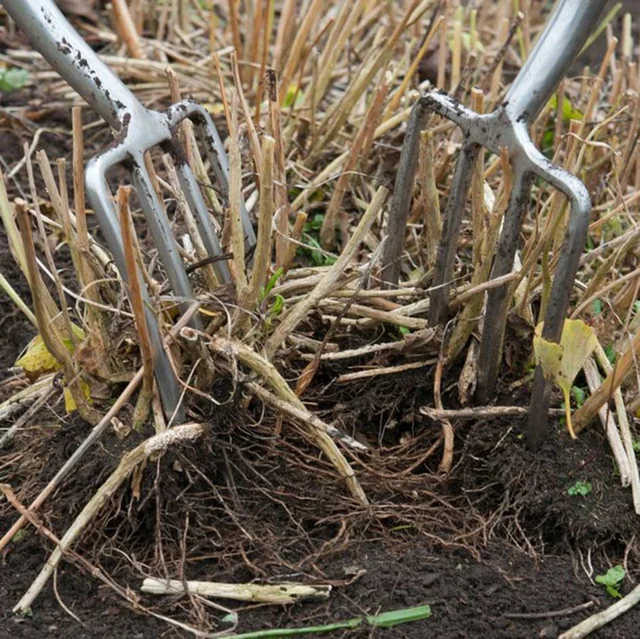
It is easy to propagate phormiums by dividing the clumps in spring. Separate the leaf fans with roots, pot them up and grow on. If dividing into larger sections, you can plant the divisions straight away into prepared soil.
Our guide below takes you step-by-step through dividing your phormiums.
Growing phormiums from seed
If you would like a bit of a challenge, you can try growing phormiums from seed, however the resulting plants are likely to be different in shape and colour from the parent plant.
- Collect ripe seed and sow in spring, using peat-free . Lightly cover the seed with and keep at 18°C (64°F) in a or airing cupboard
- can take up to a year
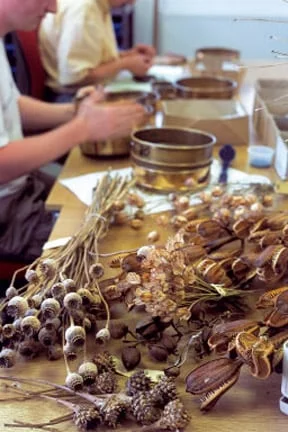
Our guide below takes you step-by-step through collecting, storing and sowing seeds.
Problems
Cold damage
Phormium can be damaged by hard frost during cold winters
- In spring, remove the worst cold-damaged leaves
- Prune the plants hard only if the leaves are severely damaged. The recovery may be slow
- Give protection during the winter, consider mulching and wrappingto prevent future damage
- Consider moving the plant into a better-suited spot where is sheltered from hard frost and cold winds
Phormium mealybug
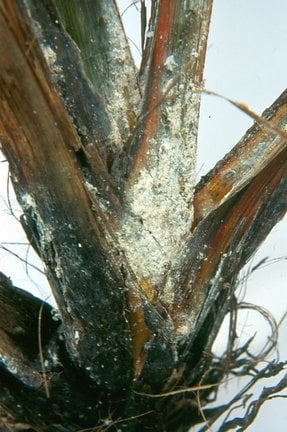
Black deposits on the leaves (sooty mould) and presence of white fluffy deposits around the base of the leaf fans can be sign of Phormium mealybug.