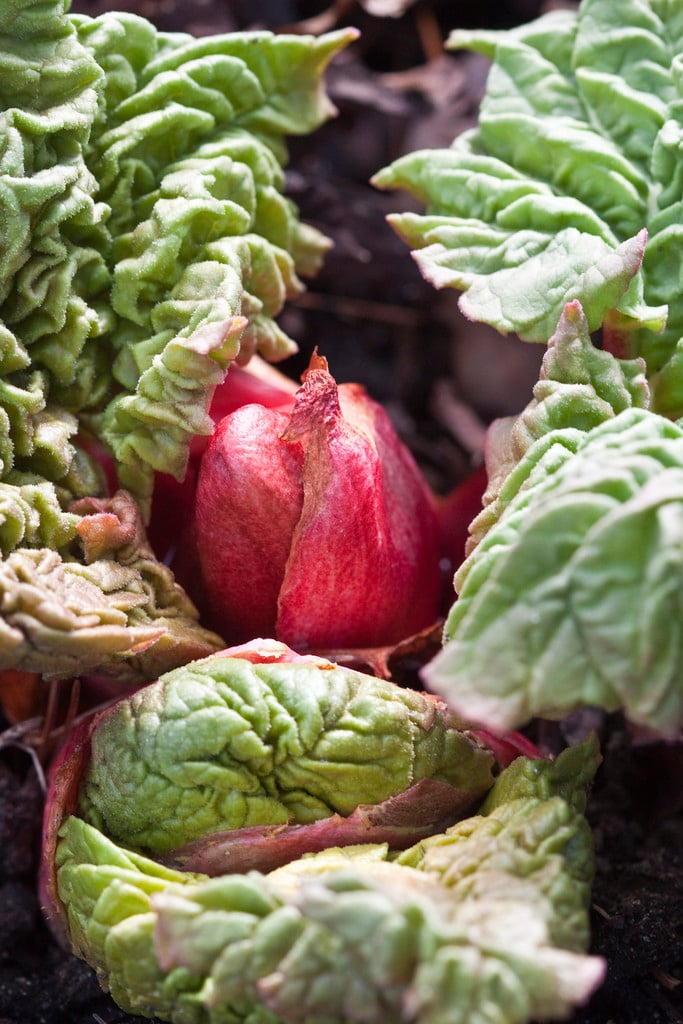
A moderately vigorous, maincrop cultivar with very bold, bright red colouring for the whole length of the stems
Position
Soil Types
Max Height
1-1.5 metres
Max Spread
1-1.5 metres
A moderately vigorous, maincrop cultivar with very bold, bright red colouring for the whole length of the stems
1-1.5 metres
1-1.5 metres
| Season | Stem | Flower | Foliage | Fruit |
|---|---|---|---|---|
| Spring | ||||
| Summer | ||||
| Autumn | ||||
| Winter |
Any fertile garden soil can be used for rhubarb as long as it is well-drained and in full sun. Crowns (""sets"") can be cropped for ten or more years, though division may be necessary after about five years. Plant crowns in November or December and up to the beginning of March if necessary. A spring mulch of well-rotted organic matter 7cm (2 1/2in) deep will help to retain moisture but do not bury the crowns. Plants will also respond to watering during prolonged dry periods in summer. Apply a general fertiliser such as growmore in spring or summer at 70g per sq m (2oz per square yard)
Lift crowns between autumn and early spring (usually in November). Use a spade to divide the crown into sections each retaining a portion of the rhizome (thickened root) and at least one growing point. Sections from the outer part are better than the centres of old plants. Discard any old or decayed parts of the crown. Replant straight away or wrap in damp sacking until ready to plant
Allow the foliage to die back naturally in autumn then cut away the old leaves to expose the growing points to winter cold
May be susceptible to stem and bulb eelworm, swift moth caterpillar, and to slugs and snails on young growth
May be susceptible to honey fungus, downy mildews, grey moulds, crown rot and virus diseases
The new app packed with trusted gardening know-how
Download app