RHS Senior Horticultural Advisor Andy Vernon shares how to grow bananas indoors, and three ways to use banana skins in the garden
RHS Editorial Team
Gardening enquiries from RHS members sometime celebrate the most marvellous and inspiring tales of growing success – it’s definitely not always trials and tribulations.
A story that really impressed me recently was one about success growing dwarf pink edible bananas (Musa velutina) in a conservatory. The member had installed underfloor heating, to make the conservatory more useable in the winter months. An unexpected benefit was the blooming and fruiting of their banana plant after its first full year enjoying a warm bottom and mild air temperatures.
These small, pink, fuzzy bananas (pictured below) are quite different to the ones we’re used to – they contain large, inedible hard seeds, but the white flesh is tasty with a slightly floral scent.
Musa velutina dwarf pink bananas
The bananas we buy in the shops are all Musa acuminata ‘Dwarf Cavendish’, but even these are known to fruit after long hot summers in Cornwall, so may be worth a try indoors if you have the space (pictured growing at RHS Wisley below).
Musa Dwarf Cavendish
I love a banana myself, and this means I get lots of skins. With three great uses for them in the garden, a plethora of peel is an opportunity too good to pass up.
3 ways to use a banana skin
1. To enrich compost
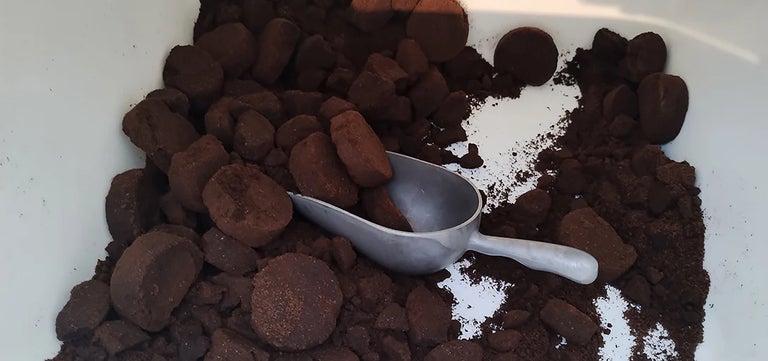
The best way to use banana peel is to add it to your . Ideally chop or tear into small pieces to speed up decomposition, but you can also add bits direct into the soil. Bury them under or in planting holes where you can’t see them, but decay microbes get a good feed.
As they break down, banana skins contribute a range of and organic matter that supports healthy plant growth and soil structure. This includes potassium (K), which is the key ingredient in tomato feeds – promoting flowering and therefore fruit. They also contain a useful amount of magnesium, calcium and phosphorus.
2. To make plant feed
You can make a homemade plant feed by by soaking banana skins in water for a few days. It’s worth washing the bananas thoroughly beforehand, to avoid any pesticide residues on the peel ending up in your plant feed.
My neighbour swears by this, using the liquid as a very mild fertiliser. I will be experimenting with this myself, using a small, sealed bucket in the garage, and seeing if it can keep my tomatoes and dahlias happy.
3. To ripen fruit
Another RHS member recently enquired about ripening quinces and green tomatoes off the plant. Again, it was banana peel to the rescue. Just put the fruits and some banana skins into a sealed brown paper bag. gas (a natural plant ) that the skin gives off, will ripen them up. The list of under-ripe fruits bananas will help like this, includes avocado, kiwi, mango, pear, fig, papaya, nectarine/peach, and plums. These are all ‘climacteric’ fruits, meaning they continue to ripen after harvest.
Meanwhile, all this makes me ponder. If underfloor heating becomes more popular in homes in general, perhaps there are other possibilities for exotic fruits. The familiar Swiss cheese plant does in fact have an edible fruit which you can buy at the greengrocers in hotter countries. They apparently taste like custard!
Monstera Pixabay Hasogr
Maybe we’ll all be trying to grow our own bananas indoors in the future?
About the author – Andy Vernon
Andy is a Senior Horticultural Advisor based at RHS Bridgewater, finding ways to make the most of his small garden in rainy east Cheshire.