RHS Horticultural Advisor Caroline Mazzey shares all the great reasons to grow fennel, along with her top tips for growing and using this versatile herb
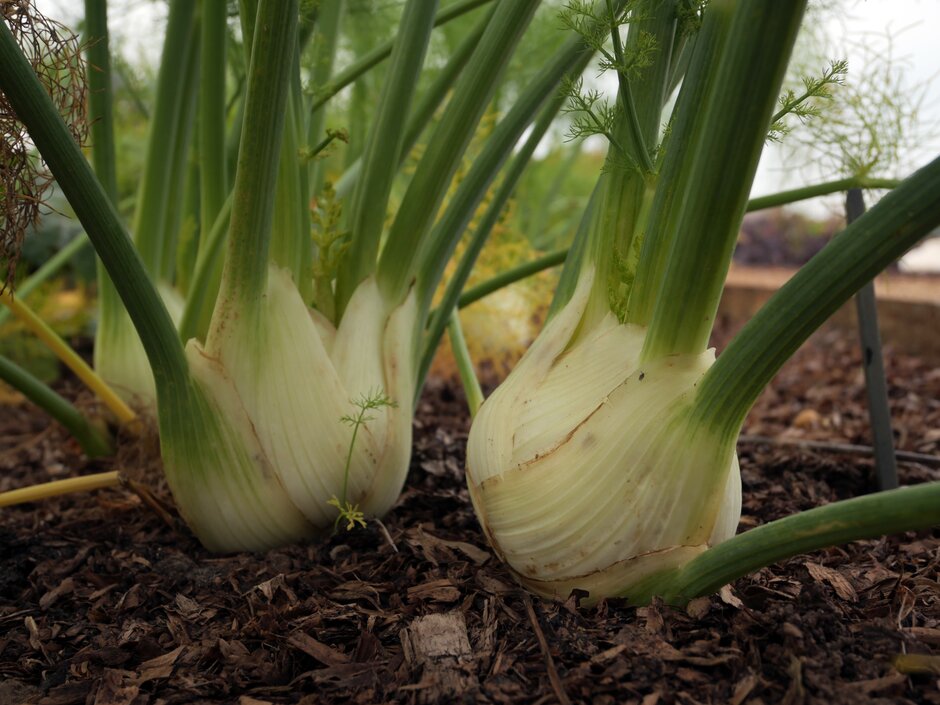
 I love the crunch and the aniseedy flavour of fresh Florence fennel. It’s also one of the few things that’s still quite seasonal in its availability in the shops, which makes it all the more special for me. I still like the measure of the year by certain foods – asparagus in May, strawberries in June, peas from the pod in July...
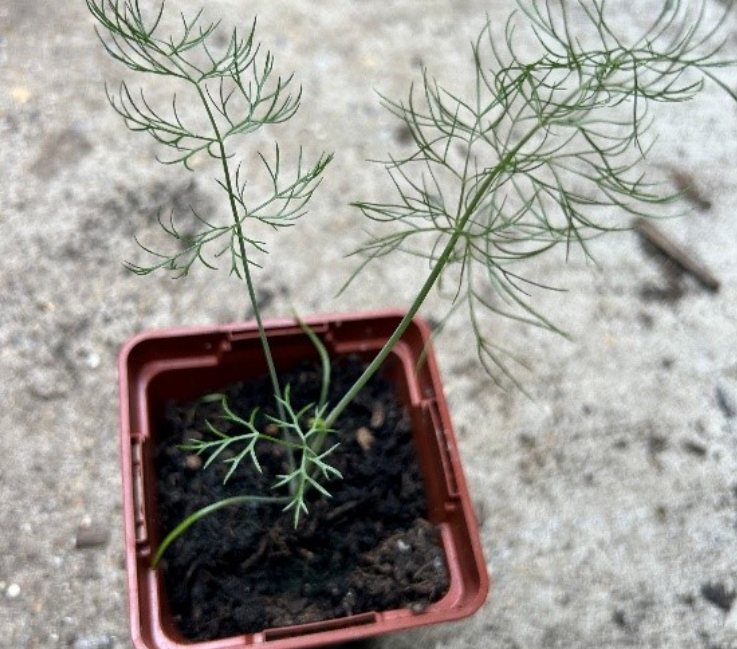 Fennel is easy to germinate from seed. If you sow indoors or in a greenhouse to get it started early, use a pot rather than a shallow tray. Fennel has long taproots that hate being disturbed, so this way, the seedlings won’t run out of room as quickly before they need transplanting, and can form nice sturdy plantlets to be planted out when the risk of frost has passed.
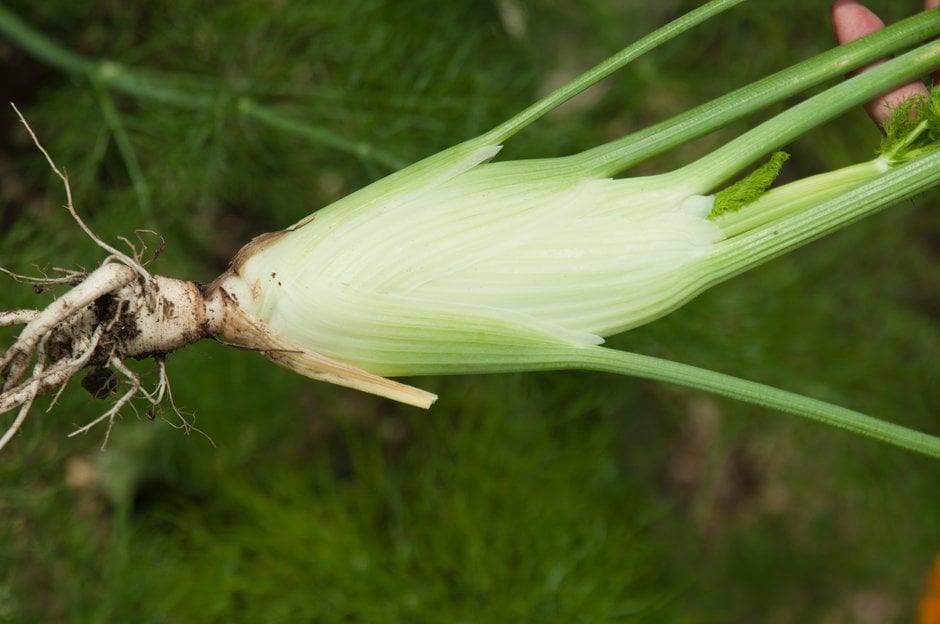
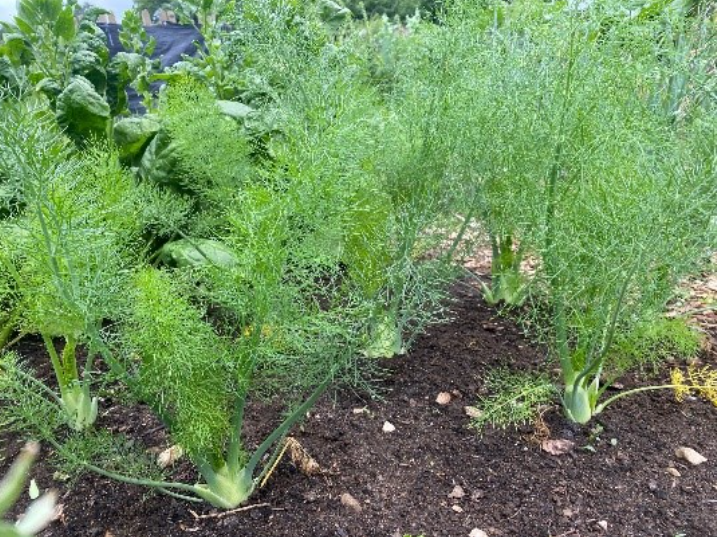 However, whether still in a pot or growing in the ground, fennel can sometimes be fussy. It needs reliable moisture to stop it from bolting, so if you’re growing it for the swollen stem bases, make plans for watering if you’re taking a fortnight’s holiday. If stressed by lack of water or extreme heat, it will quickly bolt – the fat bulbous bases won’t swell and instead they’ll shoot upwards into flower.
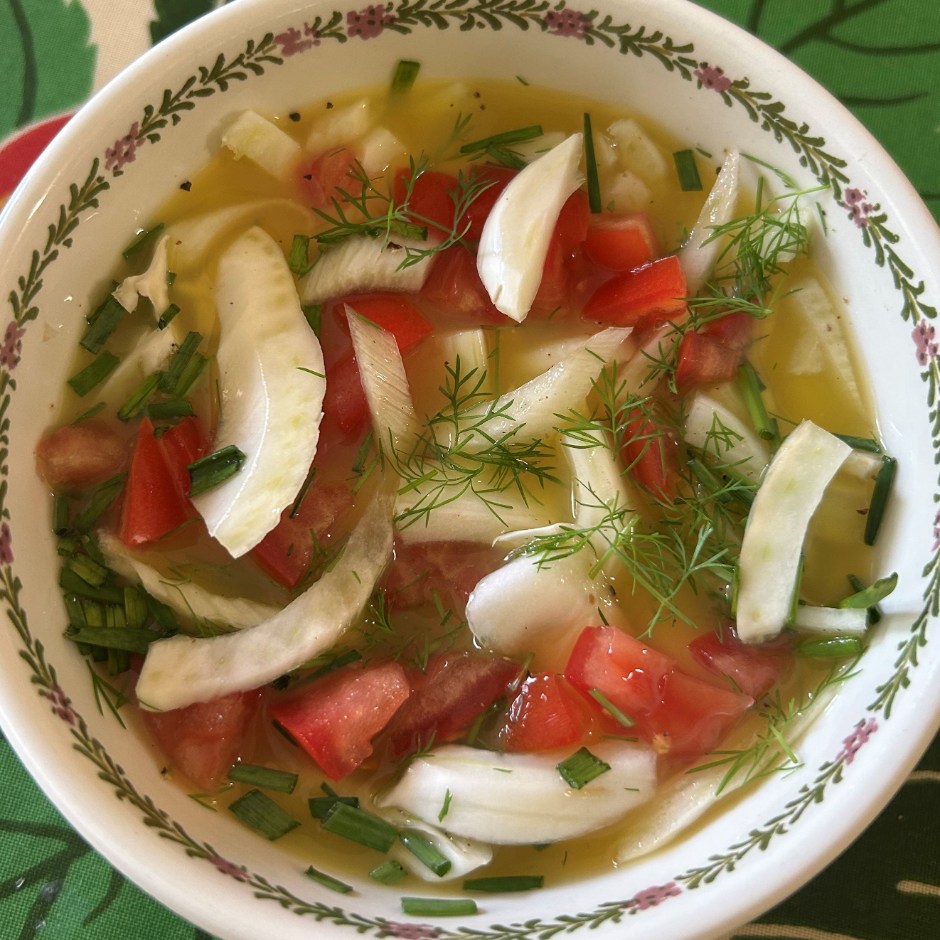 However, the bulbous base might not be what you’re growing fennel for. The foliage is beautiful, making fennel a gorgeous addition to a border – particularly bronze-leafed varieties – and is a versatile herb in its own right. It’s nice to chop some finely as a garnish in almost any summer recipe, from pasta to fish dishes to salads.
I’m actually growing bronze fennel for the first time this year. I was encouraged by the RHS Bringing Nature Home campaign, in which we’re sharing a plant of the month every month that’s a top plant for wildlife as well as being a strong all-round garden plant. Bronze fennel is the July plant of the month.
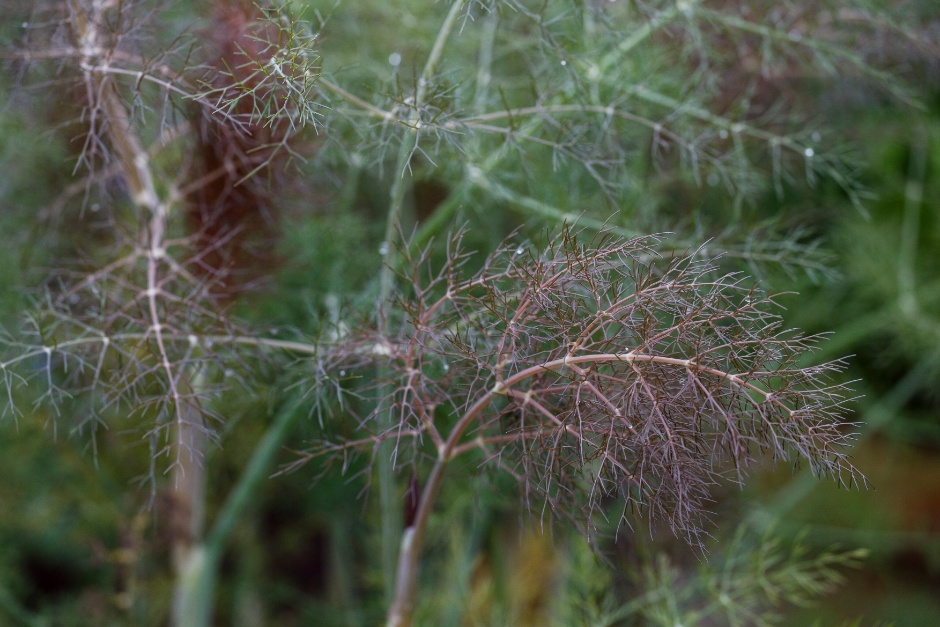 This isn’t a fennel chosen for its edible swollen stem base, but for its ornamental value – it makes a lovely dark foil for orange and purple flowers – and for its value to pollinators.
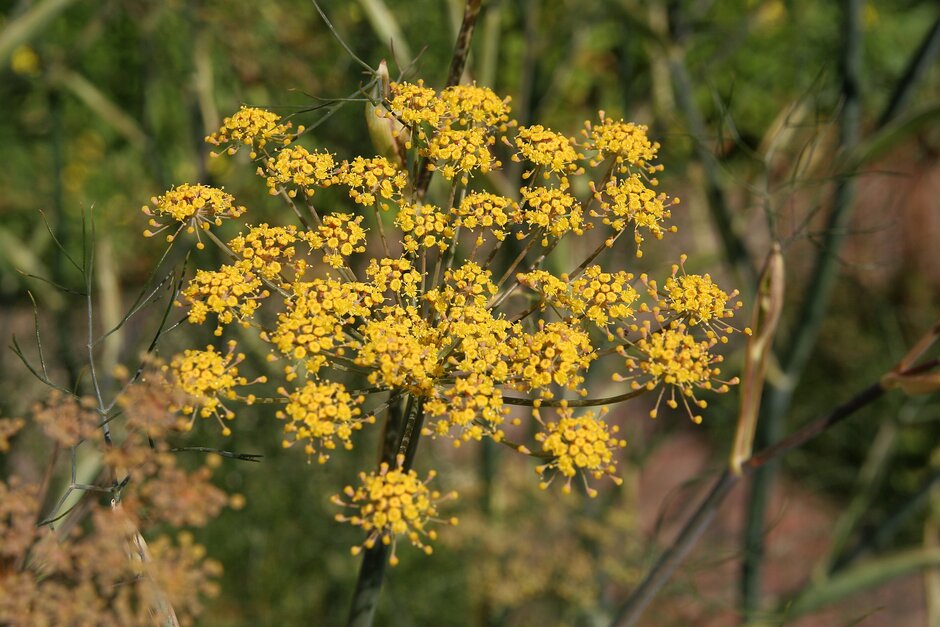
When in flower, fennel is an excellent plant for pollen-hungry insects. Pollinators such as hoverflies love the flowers, and their larvae then eat the aphids on my other plants. Bees also collect the nectar and pollen, and fennel is a food plant for the caterpillars of the swallowtail butterfly. All in all, it should make a useful addition to my allotment.
 If I do well with my fennel crop and I have a lot of plants, I find it’s better to harvest some of the bulbs early, rather than risk waiting until they’re full size and potentially going past their best. A smaller, younger crop is far juicier than a huge older one. This is a lesson I learnt the hard way!
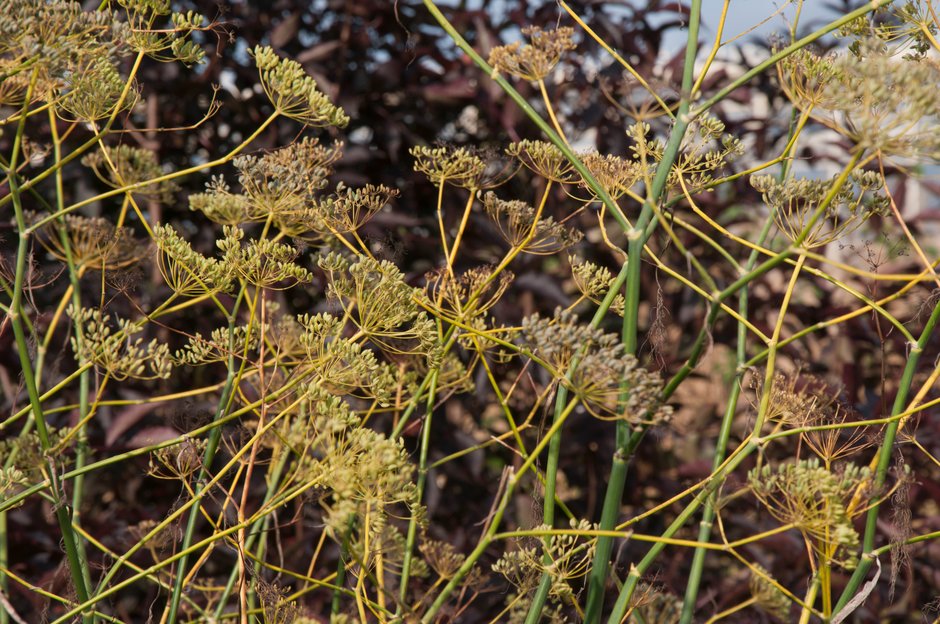
 Nevertheless, either because they bolt or because I’ve grown too many, some of my edible Florence fennel also runs to flower and then develops seeds. But no matter – these can be collected and dried for using in the kitchen.
The seeds have that same anise taste, which gives a warm, sweet-spicey aroma to meals. Plus, theyre produced in a greater abundance than some other similar-tasting seeds you might collect, such as dill or caraway.
You may also be interested in
 Look for the RHS Recommended: Award of Garden Merit when buying vegetable seed or small plants. You can also download the RHS lists of recommended cultivars.
About the author – Caroline Mazzey
Caroline is an RHS Horticultural Advisor based at RHS Garden Wisley, juggling multiple allotments and a large family.