Sign new peat-free petition to protect climate and habitats
No more delays on peat-free: we need legislation to end the devastation of peatlands and help UK growers confidently plan for a peat-free future. Help us get peat out of gardens once and for all
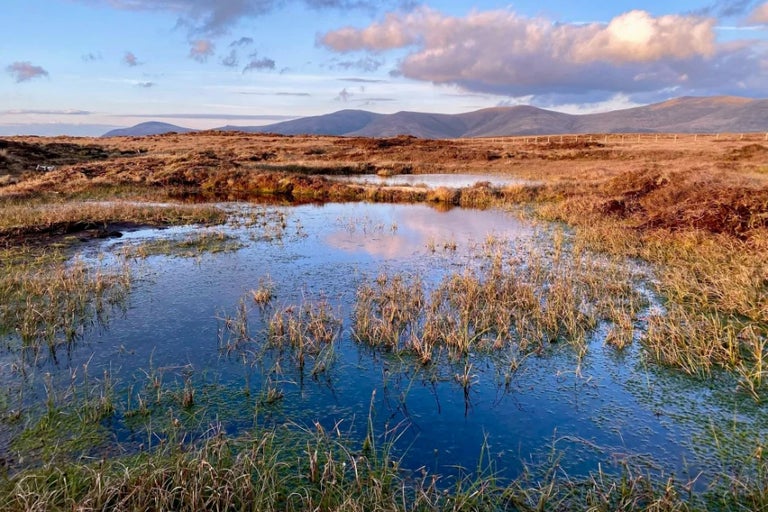
Peatlands are among our biggest allies in the fight against climate change. Continued extraction for horticulture destroys thousands of years of carbon-rich peat, exacerbates global warming, and destroys unique habitats that are home to a wide range of wildlife.
And with high-quality peat-free composts now outperforming peat-based options in RHS and industry trials, there’s simply no need to carry on using peat.
Sign the petition >
Peat legislation is a win-win: home gardeners and horticulturists want to know the plants and they buy aren’t costing the environment, while growers and industry want clarity, a level playing field and the ability to confidently plan their transition to peat-free.
Now, a new petition launched by the Peat-free Partnership, a coalition of environmental NGOs and horticultural organisations including the RHS, provides a new opportunity to add your voice and help protect our precious peatlands. Why is this so important?
In October 2025, the UK Government committed to introduce legislation to end the sale of peat. We need your help to make sure this actually happens in 2026 and doesn’t become another empty promise.Sign the petition >
What’s the problem with peat?
Governments have known about the damage that destroying peatlands does to the environment for decades.
Digging up peat:
- emits huge amounts of carbon, directly contributing to climate change
- worsens the risk of flooding for nearby communities, as exploited peatlands can’t absorb excess rainwater like intact ones can
- obliterates habitat that might otherwise be home to many rare and unique species of plants, insects and birds.
It’s also completely unnecessary, as there are now high-quality peat-free alternatives – some of which regularly outcompete peat-based composts in trials, including RHS and industry trials.
The horticulture industry has made encouraging progress in becoming peat-free, reducing peat use by over 50% in recent years. But the pace of change doesn’t match the urgency needed, and progress without legislation is slowing.
The horticultural industry still uses a massive 760,000 cubic metres of peat each year – enough to fill over 300 Olympic swimming pools.
How to avoid peat in your garden
Peat is sold as an ingredient in some bagged compost, direct to gardeners – so it’s crucial to always buy compost that’s labelled ‘peat-free’. If in doubt, you can use our list of retailers that stock only peat-free compost.
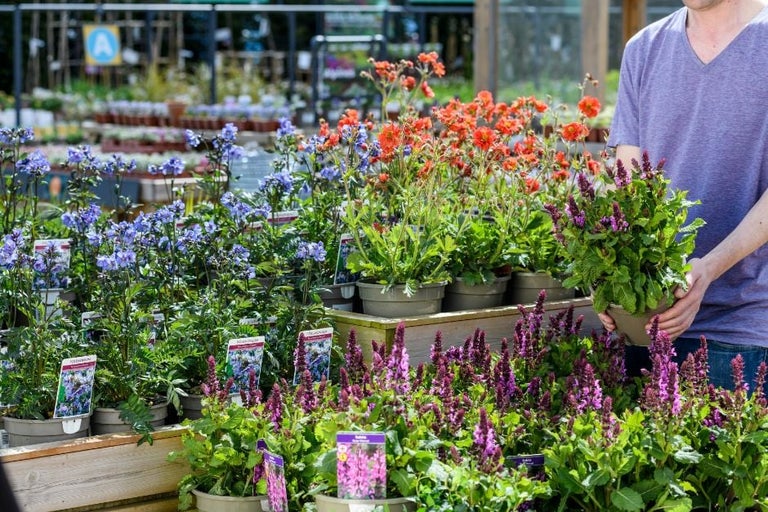
But peat is also used to grow most of the plants you buy in the garden centre, from bedding and perennials to trees and shrubs. You can help by buying peat-free plants and asking garden centre staff if the plants are peat-free – by showing there is demand, you’re helping to make change. You can use our peat-free nursery list to source plants that are 100% peat-free.
Peat is also used to grow many of the fresh vegetables you buy from your local supermarket.
Visit our peat-free hub to find out more about why peat-free is so important, and for everything you need to know to grow thriving plants that don’t cost the environment.Sign the petition calling for the Government to act now to pass legislation in 2026 and bring peat sales to an end at last.Sign the petition >Double your impact with just a few clicks by using the template to email your MP.Email your MP >By following the links you are leaving the RHS website and will be taken to the Peat-Free Partnership website, where you will be governed by their terms & conditions and privacy policy.
Thank you for supporting a peat-free future.
The Peat-free Partnership is funded by Esmée Fairbairn Foundation and hosted by the wild plant conservation charity Plantlife. It is a broad coalition of horticultural businesses and environmental NGOs across the UK, including the RHS, Wildlife Trusts, Garden Organic, the Green Alliance, the RSPB and the Wildlife and Countryside Link, with the overarching goal of ending the commercial trade in peat across the UK.
Despite the widely recognised environmental damage caused by the use of peat in horticulture and progress towards using alternatives, the trade in peat is still ongoing. The Peat-free Partnership aims to bring this to an end and ensure a successful transition to peat-free horticulture in the UK.