RHS Retail rolls out biggest range of ‘no new peat’ plants in UK
Discover an unmatched range of high-quality, more sustainable plants across all RHS Garden Centres and RHS Plants, in a move to protect the environment and support UK growers
Olivia Drake
RHS Science and Horticulture Editor
3-minute read
RHS Retail outlets are bringing you the widest range of high-quality planet-friendly plants on offer in the UK.
In a move towards mitigating climate change and protect habitats, all RHS Garden Centres and RHS Plantsonline will sell only ‘no new peat’ plants from 1 January 2026.
This ensures that peatlands aren’t being damagedto grow the plants we sell, and customers can shop in the knowledge that they’re making the right choice for the environment while supporting British businesses.
“We will have the best representation and biggest range of ‘no new peat’ plants of any retailer in the UK,” says Duncan McLean, RHS Senior Plant Buyer. “Customers can look forward to an unmatched range of high-quality, more sustainably grown plants without any increase in price.
“We’re working with the very best and most progressive commercial partners in the UK, as well as pioneering specialist nurseries, to continue to deliver the range you’d expect from RHS Garden Centres, and what you will see is the very best of UK horticulture.”
Why are we doing this?
Peatlands store over twice as much carbon as all the world’s forests combined, despite covering an area 10 times smaller. This makes them one of our best natural defences against climate change, storing over 3.2 billion tonnes of carbon in the UK alone. Peatlands are also vital habitats that are home to a unique range of wildlife.
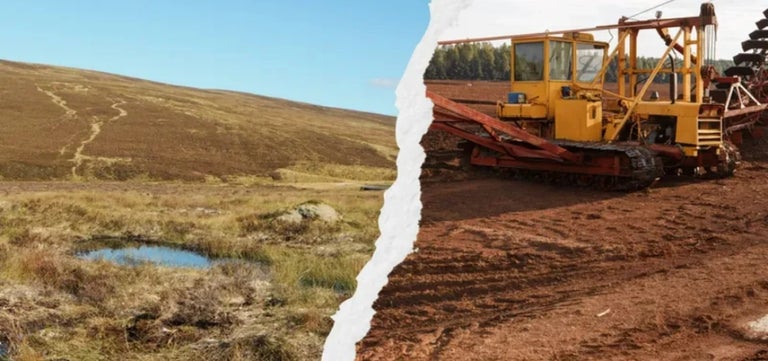
However, 80% of UK peatlands are damaged – partly through extractionfor horticulture – meaning they’re now releasing 16.6 million tonnes of greenhouse gases every year. Through our peat-free commitment at the RHS Gardens and Shows, investing £2.5 million into world-leading collaborative peat-free research with hundreds of nurseries, and ensuring no new peat makes its way into the plants we sell, we’re helping to ensure peat stays in the bogs where it belongs – and you can support this by choosing to buy your plants from RHS retail outlets.
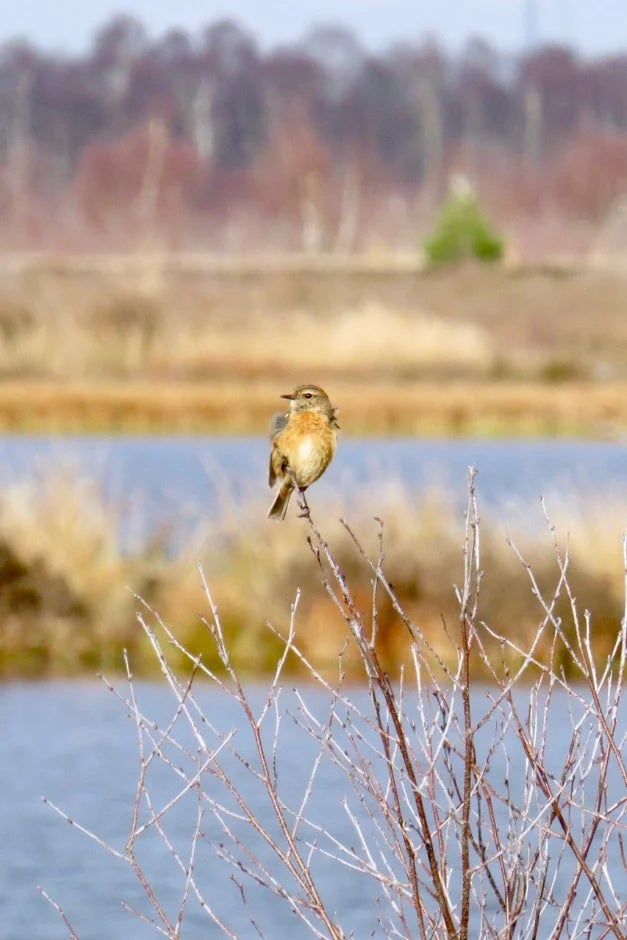
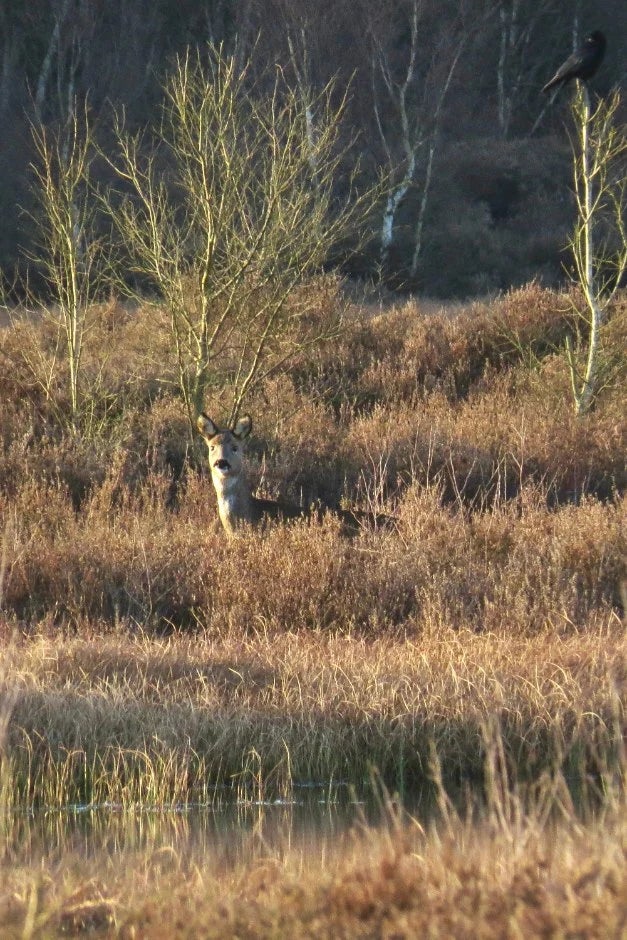
Since horticultural extraction ceased and work began to restore the ecosystem, wildlife has been returning to Humberhead Peatlands
Clare Matterson CBE, RHS Director General, says: “Despite the challenges this brings in terms of sourcing plants, our ambition is to be the UK’s leading supplier of ‘no new peat’ plants, where ‘no new peat’ really means ‘no new peat’.
“Gardeners who care about enhancing biodiversity in their gardens will be able to shop in the knowledge that they are not damaging our precious peat bogs, and know that no plants that the RHS sells will contain any peat that entered the production cycle after the end of 2025,” she says.
What differences will you notice at RHS Garden Centres?
“We’ve worked hard to ensure that RHS retail outlets will be the best destination for ‘no new peat’ plants anywhere in the UK,” says Duncan. “For example, we’ll have an increased focus on popular groups like peonies, with a wide selection of cultivars that can provide successional flowering throughout the season. We’re featuring Sienna Hostas in the plant centres in 2026, giving customers access to a whole new range of hosta varieties.
“Look out for our new lines of flowering nerines and amarines in autumn, which you will struggle to find during their flowering season at any other UK garden centre. We want you to be inspired by things you see in the Gardens and then be able to buy those to take home to enjoy in your own garden.
Autumn visitors will be able to find the amarines and nerines they have admired in the Gardens in flower in the RHS Garden Centre
“Customers can expect to see some slight differences in our existing ranges,” he says. “Houseplants are the most challenging group to source peat-free, so some varieties may not be available for a time, such as Calathea, especially after the end of June because of the way the production cycle works.
“However, there will still be a strong range of houseplants on offer, with a focus on British-grown varieties, and the customer will come in to be met with a retail paradise in the same way they always have. We’ll still have all the customer favourites, such as orchids, cacti and , Dracaena and a wide range of UK-grown foliage houseplants.”
Supporting UK businesses
“By making these changes to our supply chain, we’ll be further supporting UK horticulture – an international leader in the transition to peat-free,” says Duncan. “Outside of houseplants, more than 90% of our range is grown here in the UK.”
“The UK horticultural industry has come such a long way with peat-free. There’s still more to learn, but this is the right decision, and the best decision for the environment. Woven into everything we do is supporting British horticulture and UK specialist nurseries – the RHS is unique in that respect.”
Customers can choose from a wide range of no new peat houseplants, including bestsellers such as Phalaenopsis, cacti and succulents, and a plethora of UK-grown foliage varieties
Why will the houseplant range look different?
“80% of houseplants sold in the UK are grown in Continental Europe – the horticultural infrastructure and monoculture production there make it much more commercially viable to grow challenging houseplants such as Calathea,” says Duncan.
“Houseplants are therefore one of the more challenging groups to obtain peat-free, because of the European reliance on the Netherlands and their relatively slower progress towards peat-free, specifically around the ‘plug’ element of the production cycle.
“Many houseplants are considered specialist in their propagation and cultivation, and UK glasshouse infrastructure is not yet at a scale to feasibly grow some of the more tropical and niche cultivars. This means you may not see the same breadth of range of foliage houseplants for the time being, but what you will see is the very best of UK horticulture.”
"We will be working with the very best of UK growers and the most progressive European nurseries to bring you fantastic quality, sustainable plants"
- Duncan McLean, RHS Senior Plant Buyer
“Differences in our range caused by industry reliance on Continental supply of young plants (plugs), which can have some element of peat, will also improve over time,” he says.
“Industry-leading work by the RHS and our Transition to Peat-Free fellowship with some of the largest UK nurseries has been instrumental in helping UK growers transition and learn to adapt.
“Government has the potential to catalyse this change, which is why we are calling on them to introduce legislation to provide clarity, a level playing field and the ability for growers to confidently plan their transition.”
What does ‘no new peat’ mean?
The Government has not defined what ‘peat-free’ means for consumers, given there is old peat in the supply chain for plants that have been growing for several years. To provide clarity for gardeners wanting to choose the best plants for the planet, the RHS created its own definitions in spring 2025 to help the public make informed choices:
No new peat plants – plants grown entirely peat-free, or older plants containing peat that was already in the production cycle before the end of 2025
Peat starter plants – plants that started their life in peat (as a plug plant or liner) but have since been grown peat-free
Peat plants – grown in peat that entered the production cycle after 31 December 2025. No peat plants will enter any part of our operations from 1 January 2026.
About the author – Olivia Drake
With a background in plant sciences, Olivia is passionate about plantsmanship, biodiversity and sustainable horticulture. She is trained as a botanical horticulturist and previously worked in public gardens around the UK and abroad before joining the RHS in 2022.