Quick facts
Non-chemical weed control avoids the risks associated with herbicides
Damage is caused by misapplication, spray drift or contaminated materials
Symptoms differ depending on the type of herbicide
Residues from some lawn weedkillers can persist for months
Identifying weedkiller damage
Weedkillers (herbicides) are products designed to kill plants. They affect many types of plants, not only the ones they are intended for.
Note
The simplest way to avoid weedkiller damage is not to use herbicides at all and to ensure that any compost or mulch you use is free from weedkiller residues. The RHS encourages gardeners to use non-chemical weed control methods.
Contact weedkillers
Symptoms:
- Soft stems and leaves sprayed or splashed with contact weedkillers usually develop a scorched appearance or brown spots.
Contact weedkillers, such as those containing acetic acid or pelargonic acid, are non-selective and work by killing the sections of plant where the spray droplets land.
Hormonal weedkillers
Symptoms:
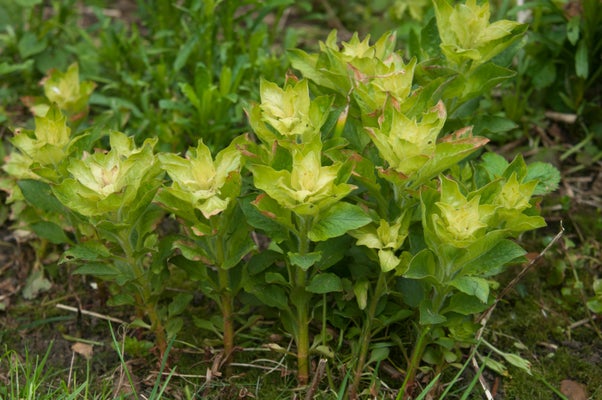
- Narrowed or cup-shaped leaves with parallel veins
- Twisted or distorted leaf stalks
- roots on some plants, including root crops
- Swollen stems, galls or warts on brassicas and other plants
- Plum-shaped and distorted tomatoes with hollow centres
or growth-regulating weedkillers, such as those containing clopyralid and triclopyr, are selective. They damage broad-leaved plants while leaving grasses unharmed. Roses, tomatoes, potatoes and vines are particularly sensitive to hormonal weedkillers.
Hormonal weedkillers are foliar-acting and systemic (translocated), moving down into the weeds' roots when applied to the leaves. Residues can persist in treated plant material for months.
Systemic (translocated) weedkillers
Symptoms:
- Leaf yellowing or browning, the collapse of soft stems, stunted growth and deformed leaves. If particularly sensitive plants, such as roses and raspberries, are sprayed in late summer, deformed growth may not appear until the following season.
- Clusters of short, pale shoots that resemble mini witches’ brooms are produced by some plants, including roses.
Systemic weedkillers containing glyphosate are non-selective. Glyphosate kills broad-leaved plants and grasses. When applied to leaves, glyphosate moves down into the root system and can kill even deep-rooted plants.
Residual weedkillers
Symptoms:
- Leaf yellowing or dieback. It may take several weeks before damage becomes visible.
Residual weedkillers, such as diflufenican, are designed to remain in the soil for weeks and sometimes months. Damage can occur if roots growing below treated surfaces take up residual weedkillers.
What causes weedkiller damage?
- Using products in breezy conditions increases the chance that spray will drift onto nearby plants. Smaller droplets are more easily carried sideways, so fine sprays are more likely to move off course.
- Using a sprayer or watering can that contained weedkiller and hasn’t been rinsed and cleaned sufficiently.
- Residual weedkiller can move down through the soil and be taken up by plant roots. This can happen if too much weedkiller is sprayed on an area, or on light sandy soils where it can easily move down into the soil.
- with grass clippings (or that contains them) from lawns treated with selective -type weedkillers, such as clopyralid.
- Using bought-in composted or manure contaminated with persistent hormonal weedkillers, such as aminopyralid.
- Misapplying or using the wrong type of weedkiller or other chemical, such as household bleach, vinegar, washing-up liquid and cleaners (these can cause serious plant damage and environmental harm).
- Vandalism: this is rare but there have been cases of malicious and deliberate damage to plants using weedkillers.
What to do if weedkiller damage occurs
There are several ways to deal with weedkiller damage:
- Prune out any abnormal, yellow, brown or dead growth. It may be some time before affected plants start to produce normal shoots again.
- Speed up recovery of damaged plants by ensuring they are well looked after. Water during dry spells, mulch around permanent plantings, and feed if growth is particularly slow. Plants showing symptoms of weedkiller contamination early in the growing season may grow out of the problem as the chemical residues break down. Many plants recover with time, especially when growing conditions are improved.
- Only replant after sufficient time has elapsed for weedkiller residues to break down (check weedkiller label for details). Not all weedkiller damage results in plant death. Trees, shrubs and herbaceous accidentally damaged by a contact weedkiller usually recover; those treated with glyphosate may survive but some root damage is likely.
- Report incidents of damage caused by weedkiller contamination in or manure you have bought. You can report this to the Health and Safety Executive and/or Corteva (the manufacturers of clopyralid and aminopyralid, two hormone-type weedkillers that take a long time to break down after binding to grass). You should also contact the manufacturer of the compost/manure, giving details of where and when it was bought.
- Carry out a test if you suspect growing media or organic matter you have bought contains hormone weedkiller. See the section below for a step-by-step guide to doing a germination test.
- Record damage if vandalism is suspected; photographs of affected plants can be useful. These may be needed for evidence if the matter is taken further. Weedkiller residues are difficult to test for in plant material (the RHS does not have the facilities needed to offer this service) but a report from a horticultural consultant may be worth considering.
Germination test
If you suspect your own garden , or commercially produced compost or organic matter is contaminated by weedkiller, you can do a simple test for weedkiller residue:
STEP 1: Fill two clean pots with the suspect growing media (fresh, not used) and label. Pots don’t need to be any larger than 1 litre in size.
STEP 2: Fill two more clean pots with garden soil or another brand of growing media as a control and label.
STEP 3: Into each pot sow four broad bean seeds. Broad beans are sensitive to weedkiller and quick to germinate, so are a good choice. Water well with tap water.
STEP 4: Place the pots in a greenhouse or on a warm windowsill. Keep the compost slightly moist, ensuring the drainage water from the pots containing the suspect growing media cannot contaminate the control ones.
STEP 5: If, after three weeks, the seeds in the suspect growing media fail to emerge, or the are distorted, slow-growing, or exhibit fern-like growth, while control plants are normal, there are strong grounds to believe weedkiller residues are present.
Note
When testing for clopyralid and aminopyralid in growing media, the manufacturers advise duplicating the test with radish seed. Radishes are unaffected by clopyralid and aminopyralid, so if radish seedlings display damage, another chemical or factor will be to blame.
If the test is positive, report your findings to the compost manufacturer and the Health and Safety Executive. Compost suspected of containing weedkiller residues can be used as a topdressing for lawns.
How to reduce the risk of weedkiller damage
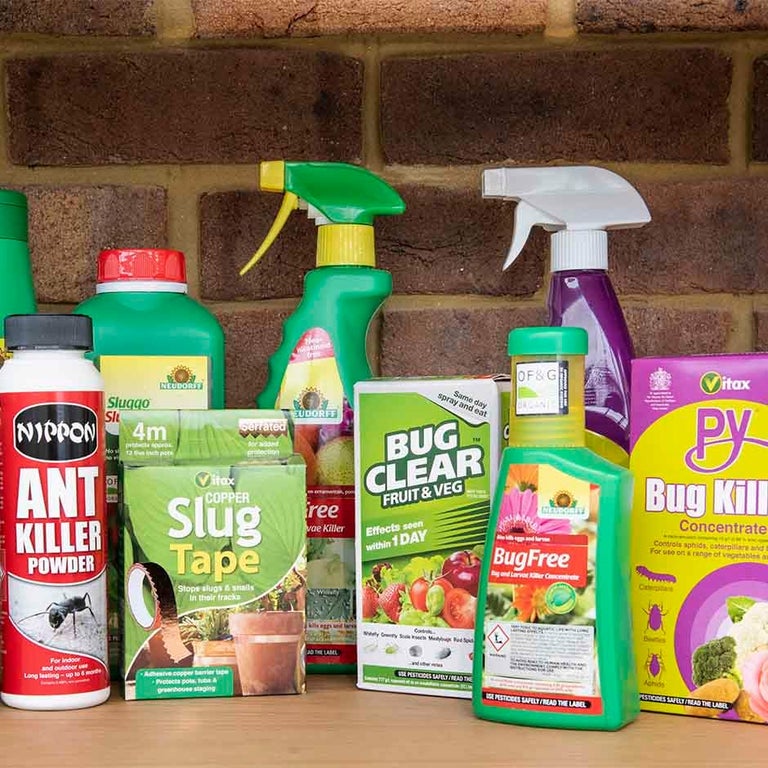
Non‑chemical weed control removes the risk of spray drift, residues and accidental damage. Many gardeners find that , , hand‑weeding and ground cover planting are effective methods of weed control. The RHS does not support the use of weedkillers.
If weedkillers are used, the risk of accidental damage can be reduced by:
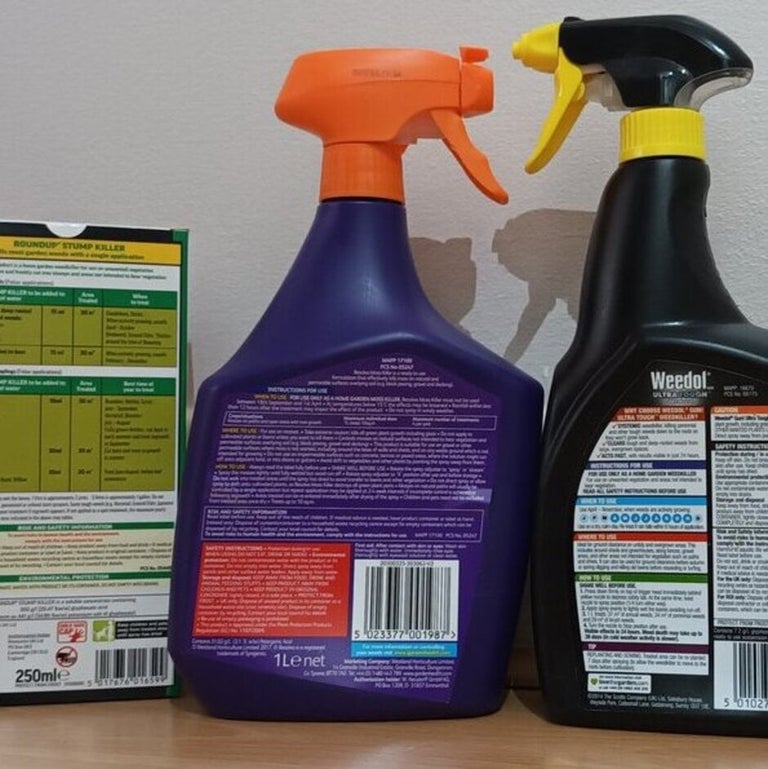
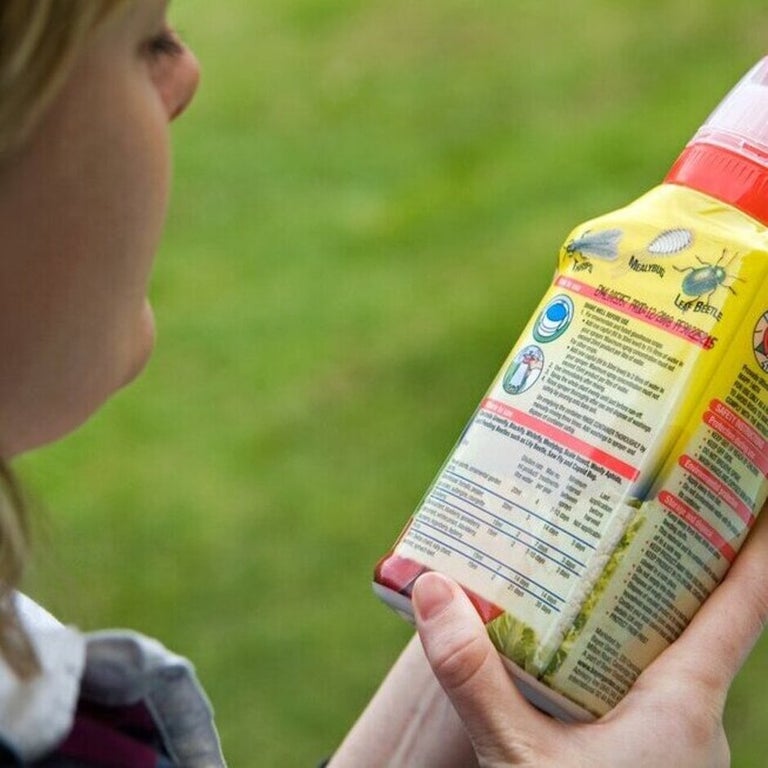
- Following the product label
This is a legal requirement. Information and instructions on the label should be read before buying and using any weedkiller product. - Checking the weather conditions
Avoid windy, hot or very sunny conditions, and avoid spraying during drought. - Using separate equipment for herbicides
Sprayers or watering cans used for weedkillers should be kept separate from those used for other garden products. - Cleaning equipment thoroughly after use
Sprayers or watering cans should be triple‑rinsed after use, and the rinsings should only be applied to areas listed on the label. Ready‑to‑use products avoid this step. - Following instructions on disposal of lawn clippings
Selective lawn weedkiller labels state when clippings can be collected and how long they need to be composted before residues break down. If you use a lawn‑care company, ask whether weedkillers have been applied. - Keeping treated clippings out of green‑waste bins
Clopyralid and similar persistent weedkillers can survive the green‑waste process and contaminate sold to gardeners. - Avoiding tracking weedkiller around the garden
Weedkiller can be transferred on footwear or tools. - Taking extra care around plants that or regenerate from roots
Spraying suckers or connected shoots with a systemic weedkiller can damage the parent plant. - Choosing compost carefully
Select peat-free growing media that clearly states it contains no composted . Alternatively, make your own mixes. - Shielding nearby plants if spraying
A hood on a sprayer can help reduce drift if a herbicide must be applied.