Replant disease
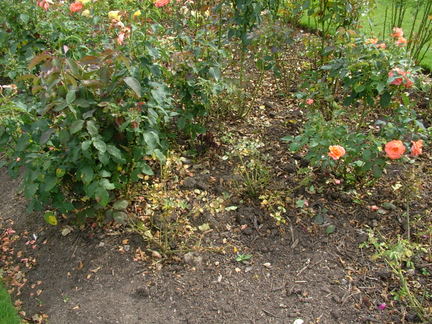
Replant disorder or replant disease refers to the problem of re-establishing plants in soil where the same species was grown previously. Roses are particularly prone, though it can affect other trees and shrubs.
Mycorrhizae are beneficial fungi that partner with plant roots
Two main classes with different plant partners
Wild mycorrhizae naturally partner with garden plants
Fertilisers, fungicides, and mechanical disturbance harm mycorrhizae
If using biofertilisers, stick to those containing native fungi

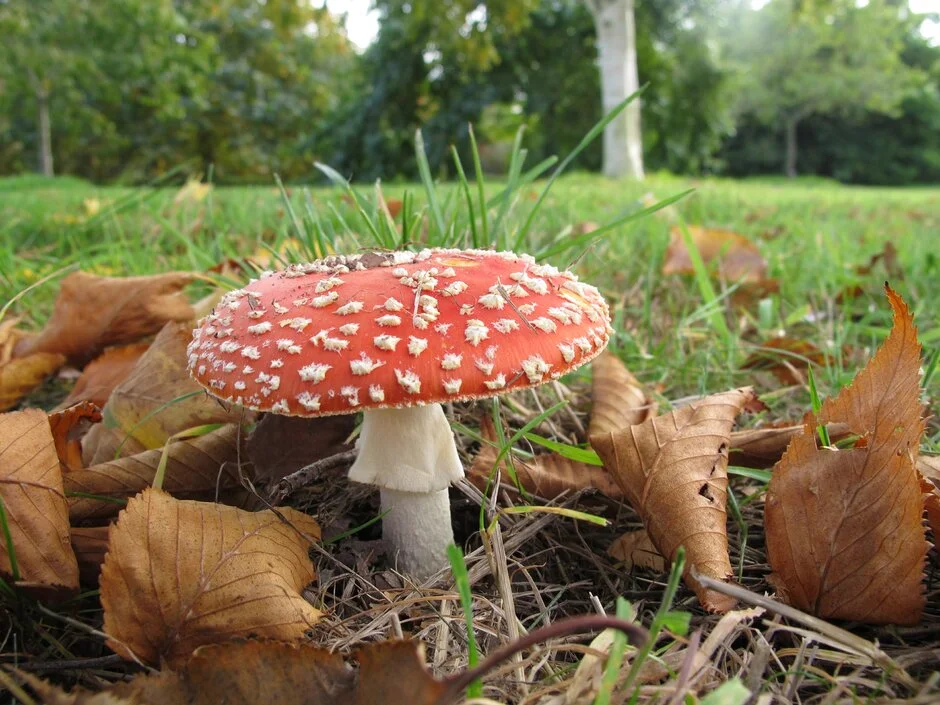
Mycorrhizae are beneficial fungi growing in close partnership with plant roots. A helpful simplification is to think of the fungi as extensions of plant root systems. The fungi gather additional supplies of water and – particularly phosphorous – and transfer them to the plant. The plants then feed the fungus with sugars made through .
Mycorrhizal fungi grow as long, branching microscopic strands (hyphae) which weave among fine roots (Hartig net) and extend into the soil to form an invisible interconnected network (mycelium). These cells are highly sensitive and adaptable, and can:
A single plant can support multiple mycorrhizal partners, and these can change over the course of its life. A single mycorrhiza has the potential to connect the root systems of separate plants such that resources and signals can pass across the network, a phenomenon popularly known as the “wood wide web”. The long, winding fungal cells also bind soils together, providing invisible, moisture-retentive scaffolding. As a result, soils rich in mycorrhizal fungi resists compaction and temperature fluctuations, helping the soil web of life to flourish there.
There are two main classes of mycorrhizal fungi, based on how they connect to plant roots.
A third class grows both in and around root cells, known as ectendomycorrhizae, but far fewer plants have this type of partnership.
Further types of mycorrhizal fungi are specialist partners of certain plants, particularly for orchids and plants.
The relationship between plants and mycorrhizal fungi is mutually supportive. Each partner collects and transfers resources, provides protection, and sends signals to the other. Mycorrhizae can offer protection against diseases and grazing wildlife, and help plants adapt more rapidly to stressful environmental conditions like drought or excessive sunlight.
Some mycorrhizae, particularly those partnering with orchids, contribute to the decay process of soil organic matter and supply organic compounds to the plant partners.
The life cycles of the mycorrhizal fungus and its plant partner are often linked in nature, where the wildlife that move plant seeds to new places also transfer mycorrhizal spores that then help the seedling survive after .
Certain activities harm mycorrhizal fungi directly or suppress mycorrhizal partnerships from developing.
Mycorrhizal fungi spores are abundant in the air and in soil, and plants will partner with mycorrhizae naturally over time.
Gardens have a huge diversity of plant species and cultivars growing in them, and the mycorrhizae that are best suited to the conditions of a garden and the plants growing in it will find their own way there through slow and sustainable gardening practices, such as choosing plants that suit the conditions of your garden, digging less extensively or less often, and letting garden waste rot down on top of the soil.
Mycorrhizal biofertilizers are products intended to contain living mycorrhizal spores or fragments which can form partnerships with newly planted plants. They are often sold as a powder or pellet and can contain other microbes and ingredients. Such products rely on mycorrhizal fungi which can partner with a broad range of plants (generalists), and often contain a mixture of species.

Fungal communities are already under threat as part of the biodiversity crisis. Biofertiliser products that use common, widespread fungal species and rotate the genotypes used regularly pose the lowest risk of harm to native fungi.
When soil conditions are lacking in microbial diversity, it could benefit plants to introduce them to mycorrhizal partners from biofertiliser products.
Instances where soil may be lacking mycorrhizal diversity include when planting into peat-free compost for container growing, or where soil has previously been managed intensively.
For mycorrhizae biofertilisers to be effective, they need to persist within the plant roots, so adding the fungi in direct contact with roots will give them the best chance of successfully establishing there. Introducing fungi to younger plants also increases the likelihood that the fungi in the product will partner with the plant, as older root systems may have developed a complex microbiome around their roots already. Planting younger plants is generally good practice.

The market has expanded rapidly in recent years and companies vary widely in the quality of their products and production methods. The market is largely unregulated in the UK, so consumers have few assurances if the formulation, quality or claims made about these products are appropriate.
Recent scientific reviews have highlighted the risks associated with poor-quality products, including contamination with pathogens, spreading non- species that could harm native fungal communities, containing undisclosed fertilisers, or the fungi simply may not have survived the production and retail process.
To give the fungi in biofertilisers the best chance of forming a partnership with plant roots:
Do your due diligence when buying a new product to find a trustworthy supplier that only uses native microbes to safeguard soil microbes from unwanted pressure from non-native species. The RHS endorses Empathy Rootgrow, one of the longest established companies in the sector, that has high standards of quality assurance, and only includes fungi of native provenance in its products.