Natural brushes
Explore creativity and texture using plant materials for painting.
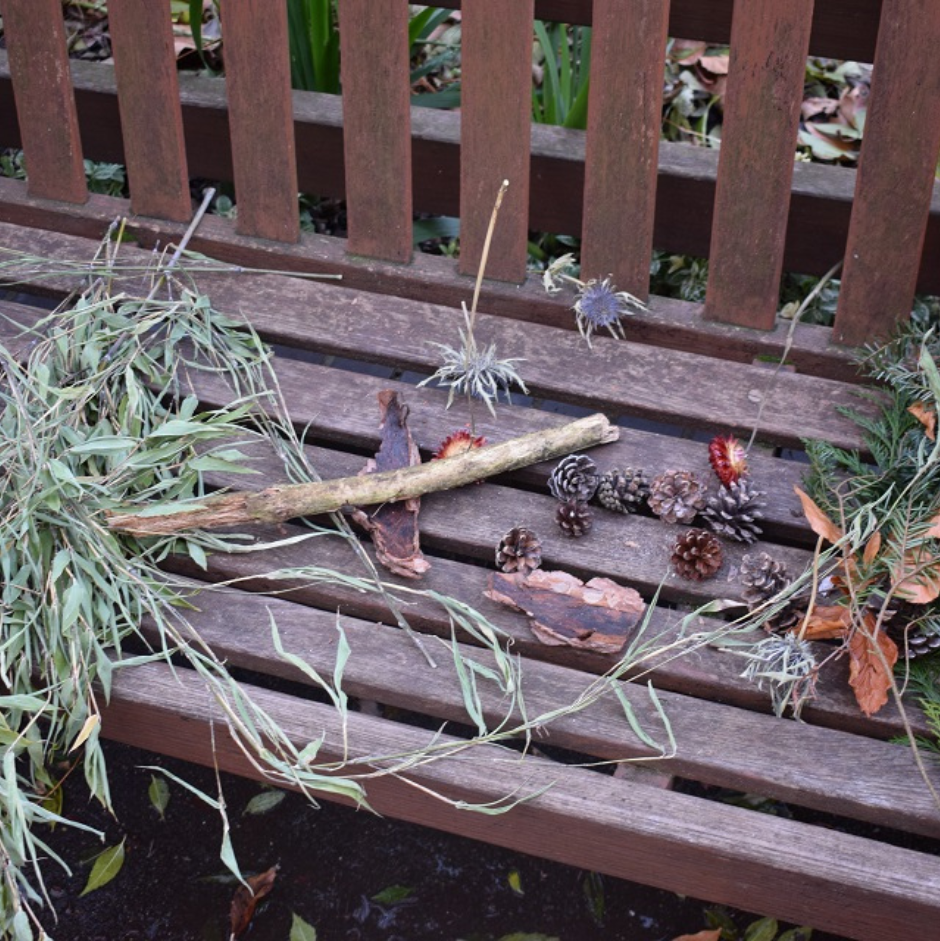.png?width=940&height=941&ext=.png?width=700)
Learning objectives:
- To experiment with the effects created by the use of natural materials for mark-making
Curriculum links:
- Art and Design: Develop control and use of materials with creativity and experimentation
Jump to
Key vocabulary
Equipment
- A3 white cartridge paper
- Black acrylic or poster paint
- Small pots or palettes
- Paintbrushes of various sizes (optional)
- A range of natural materials (e.g. leaves, twigs, pine cones, feathers, sturdy stems)
Introduction
Share examples of artworks created using unconventional ‘brushes’ and discuss how artists regularly take inspiration from the world around them. Suggested artists include:
- Yayoi Kusama (1929 – present): famous for her use of dots to create intricate and repetitive patterns, often using tools like syringes, sponges and her own fingers to apply the dots
- Julian Schnabel (1951 – present): in his ‘plate paintings,’ he used broken pieces of plates as a surface for painting and applied paint with both brushes and unconventional tools
- Jean Dubuffet (1901 – 1985): often used unconventional tools such as sticks, sand and his own hands to create textured surfaces
Main activity
- In an outdoor setting, give pupils the chance to collect a variety of natural materials they could use to make marks (e.g. pine cones, sticks, stones, dried flowers or leaves). Encourage them to select materials that are no longer living or attached to a plant
- Explore the selection of collected materials, discussing their various textures, shapes and the different marks each one might create
- By using only black paint on white paper, pupils are encouraged to focus on texture, shape and pattern rather than colour. It will also enable pupils to share natural materials without having to clean them
- Demonstrate dipping each natural material into the paint, or using a paintbrush to coat it in paint, and exploring the ways to create marks on a piece of paper
- Encourage experimentation with pressure, angles, repetitions and combinations of materials to achieve a variety of textures and patterns
Differentiation
- Support: Provide pupils with relevant vocabulary to support their descriptions of textures and shapes (e.g. rough, grainy, fuzzy, smooth, gritty, angular, curved, distorted, spherical, jagged)
- Extension: Explore how to combine different natural materials to create layered and varied textures or consider the overall composition and placement of their marks
Plenary and assessment questions
Plenary
In groups, pupils share their favourite techniques and/or challenges that they experienced. Lay out all artworks for the pupils to move around and review one another’s work.
Assessment questions
- What did you enjoy most about this task?
- What did you find most challenging?
- Did anything surprise you?
Additional information
Delivering the whole lesson outside will provide pupils with an alternative setting and sensory experiences throughout the lesson and may help to establish a greater sense of connectedness to the nature in their school grounds.