Growing fruit in containers
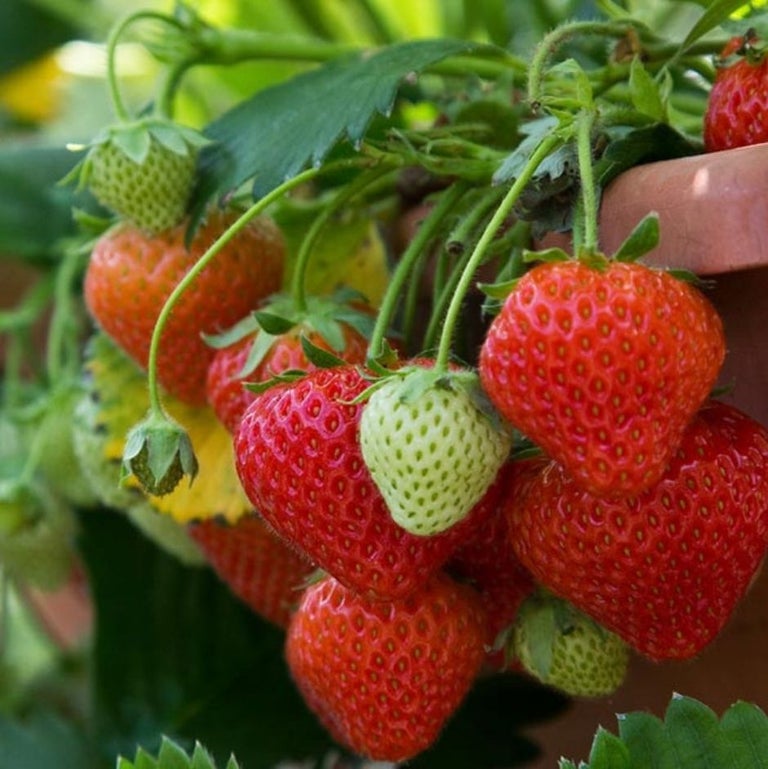
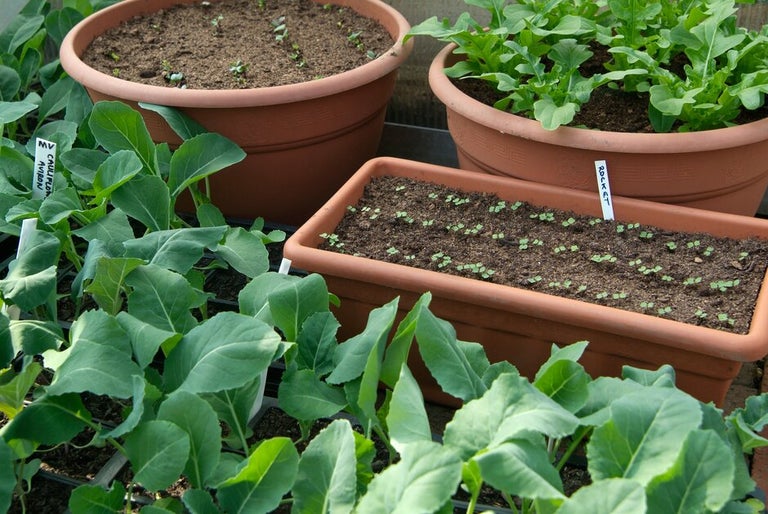
Some cultivars of fruit are suitable for smaller gardens and growing in containers. Follow this guide to make the most of your growing space.

Learning objectives:
Learn how potatoes grow and develop
Use measurements to space out potatoes and add compost
Understand how container gardening helps save space and resources
Science: Understand plant growth, the life cycle of potatoes, and the process of chitting
Maths: Measure distances between potatoes and calculate container capacity
PSHE: Encourage teamwork and patience as students grow and harvest potatoes

Potato | Container | Planting | Growth | Harvest | Soil | Watering | Tubers
Use this symbol-based guide to support understanding:
Download Widgit guide (92kB)
Potatoes are an easy and versatile crop for beginners. We recommend planting early varieties of potato in March as they should be ready to harvest before the start of the summer holidays.

1. Choose and buy your seed potatoes from a garden centre or online retailer. There are many different varieties of potato so check which type they are and when they should be planted

2. Place the potatoes in an egg box in a cool, light place until they grow small shoots. This process is known as and it gives your potatoes a head start. Once the shoots are 2-5cm, the potatoes are ready to plant

3. Select a large container with drainage holes and quarter-fill it with . Place the potatoes on top about 30cm apart and then cover over with a layer of compost

4. Once the shoots start to appear, gradually add more compost around the base of the stems to cover them up. This is known as ‘’ and prevents light from reaching your potatoes as they grow

5. Water the container when the compost is dry, particularly during hot or dry weather

6. Continue to bury the stems by topping up with compost until the container is full

7. The potatoes will flower but if these develop into fruits, make sure your pupils are aware that they are poisonous if eaten

8. Stop watering at this point and the leaves and stems will start to die off above the soil. This is a sign that your potatoes are ready to harvest

9. Tip the bag upside down and allow pupils to rummage in the soil to gather their crop. Discard any potatoes that are green, as these are potentially poisonous if eaten

10. If you are not using the potatoes straight away, store them in paper sacks in a cool, dark place