
Quick facts
Learning objectives
Learn how todigging holes and plant at the correct depth and spacing for individual plants
Learn how to use tools such as trowels, dibbers, and rulers, for accurate planting
Understand the importance of watering, hardening off, and bed preparation
Understand how spacing, watering, and labeling support healthy plant growth
Science: Learn plant growth requirements (water, light, space) and observe growth
Design & Technology: Practice measuring and tool use for planting tasks
Geography: Explore sustainable garden management
PSHE: Build teamwork and responsibility through shared planting tasks
Key vocabulary
Seeding | Planting | Spacing | | Soil | Trowel | Watering | Growth
Preparation and equipment
Preparation
Gather tools and plants, water plants well so they are easy to remove from pots.
Check the plants have been ‘hardened off’ and are ready to plant out (usually about 5–10cm tall).
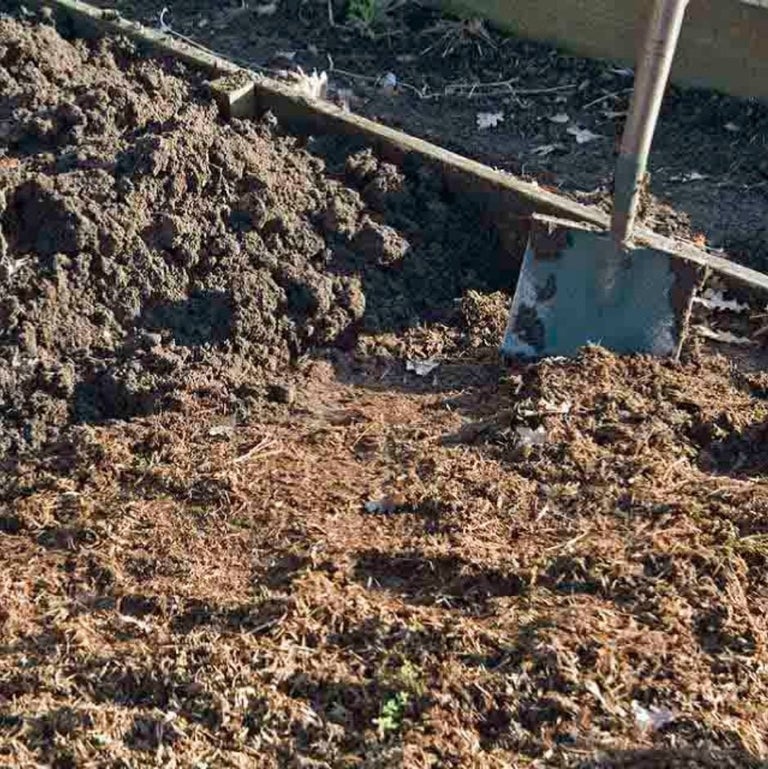
Check bed is prepared (weed free, dug over and raked level).
Equipment
- Seed packet of plants
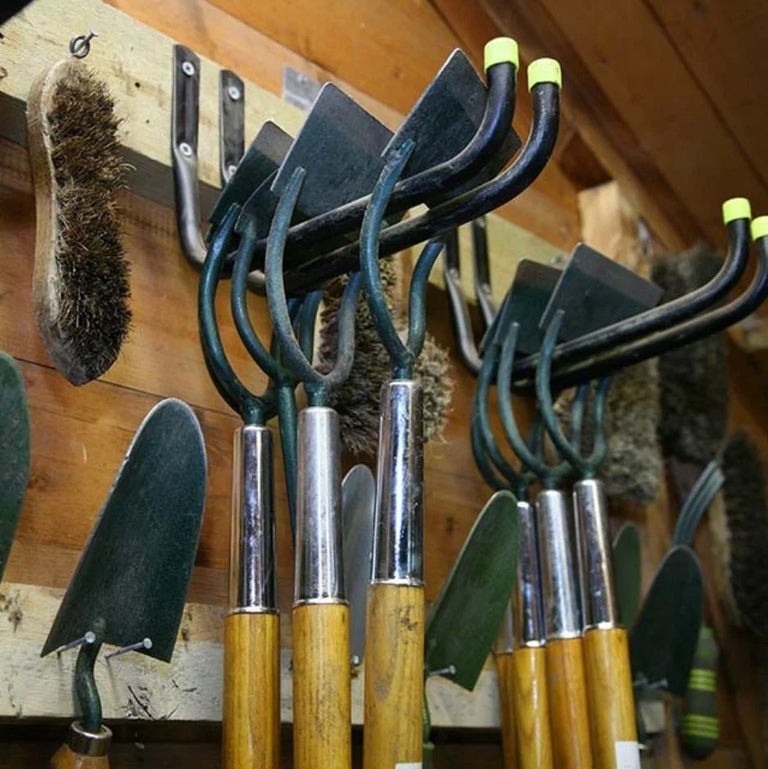
- Trowels
- Dibbers
- Spacing rulers
- String
- Kneelers
- Labels
- Pens
- Watering can
- to plant
Step by step
- Find out the correct spacing to plant out the young plants along the row and between the rows by looking at the seed packet of your plants
- Using a ruler or string, mark out the row by drawing the edge of the trowel along the ruler
- Using a trowel or , dig a small hole in the marked row, being careful to place the soil next to the hole. If the soil is very dry, water the hole
- Gently remove the young plant from the pot or module by squeezing the bottom of the pot to loosen the root ball, then inverting the pot so that the young plant gently falls from the pot into your hand
- Place the young plant into the hole, making sure the plant is not too deep in the hole. Back fill around the plant with the soil excavated. Gently firm around the plant
- Work along the row and continue planting by digging the next hole at the correct distance along the row
- Water the plants in and don’t forget to label the row
Hints and tips
- For small with small root balls use a to make the planting hole
- Use the length of the trowel or dibber to measure spacing between plants