How to choose plants for seasonally wet and dry soils
If your soil is waterlogged in winter and dry in summer, choosing plants can be hard. However, our practical solutions and suggestions can help to widen your planting palette

Permanently damp soil suits streamside plants perfectly
An area of permanently damp soil is suitable for a bog garden
Planting on a mound allows individual plants to keep some roots above the water level

James Lawrence, RHS Principal Horticultural Advisor, has designed this simple, attractive, and most importantly, sustainable border design for you to try at home with plants that are easy to grow, widely available and look good together.
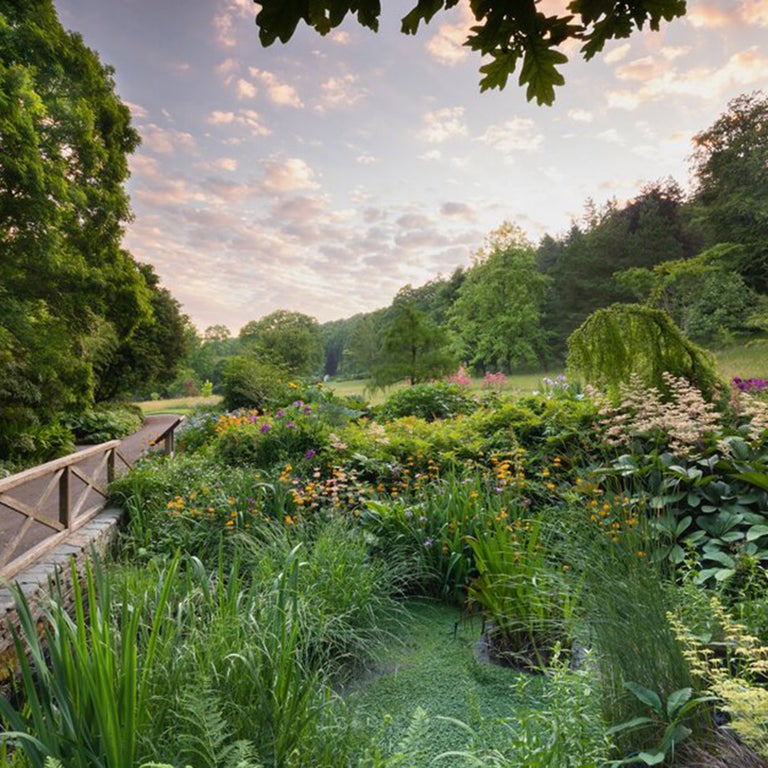
This planting design provides a range of plants that, once established, will thrive in permanently damp soil and provide year-round interest, with predominantly pink and white flowers. A simple planting plan helps to create depth, interest and good coverage in a border.

Permanently damp soils are great for plants that would otherwise need frequent watering to grow well. Many streamside and pondside plants will thrive in these conditions.
The Salix provides some winter interest with its attractive pink catkins. The Thalictrum, Lythrum and Bistorta amplexicaulis 'Alba' provide height and summer flowers, potentially continuing into autumn. The Bistorta affinis 'Superba' provides ground cover and will help suppress weed growth.


1 - Deutzia × hybrida 'Strawberry Fields' is a medium-sized shrub. Clusters of deep pink flower buds open to star-shaped paler pink flowers in late spring and early summer.
2 - Salix gracilistyla 'Mount Aso' is a deciduous shrub that produces attractive pink catkins with a silvery sheen in winter.
3 - Thalictrum 'Black Stockings' is a tall herbaceous with delicate-looking foliage and upright, near-black stems bearing generous sprays of fluffy purplish-pink flowers in summer.
4- Lythrum salicaria 'Blush' is an upright, clump-forming herbaceous perennial with lance-shaped leaves and slender racemes of pale pink flowers from midsummer to early autumn.
5 - Bistorta amplexicaulis 'Alba' is a tall, clump-forming perennial with large, oval, pointed leaves, topped with narrow spires of small white flowers from midsummer to early autumn.
6 - Woodwardia fimbriata is an evergreen fern that forms an impressive clump of arching, deeply divided green fronds.
7 - Bistorta affinis 'Superba' is a semi-evergreen, mat-forming perennial with dark green, elliptic leaves and dense spikes of small pale pink flowers that deepen to crimson with age.
8 - Astrantia 'Burgundy Manor' is a herbaceous perennial with deep burgundy, pincushion-like flowers in summer.
By choosing plants that are well suited to permanently damp soils, you can keep your border looking good and growing well, because plants that are planted in the right place tend to be stronger and more naturally resistant to pests and diseases. This will reduce the need for extra feeding and other inputs that less well-adapted plants might need.
Very damp soil can be an asset in summer but difficult to work in winter. Cold, wet root conditions are particularly hard for some plants. However, if your plants have adapted to naturally thrive in cold wet winter conditions, they will grow much better.
Using the ethos of ‘right plant, right place’ to create a sustainable planting combination is great for the environment. It helps avoid waste and the use of products and practices needed to try and help ailing plants, such as the application of fertiliser. It also creates robust, long-lived planting that benefits soil health and garden . For more information about sustainable gardening, please see the RHS Sustainability Strategy.