What can I do about climate change in my garden?
However small or large your garden is, there’s lots you can do to help combat the causes and effects of climate breakdown

Advice on how to look after your garden and plants during periods of severe heat and drought
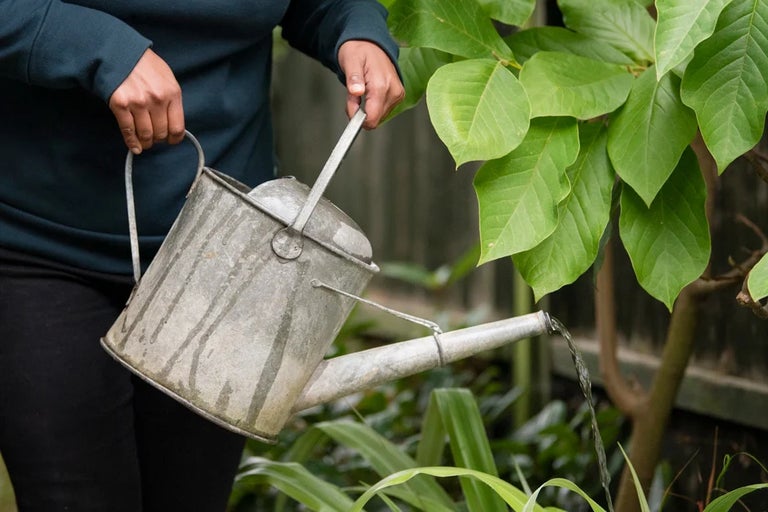
As high temperatures continue and gardeners consider reaching for the hose pipe or watering can this week, the RHS is calling on gardeners to bide their time. With soils replenished from recent rain, only newly planted flowers will benefit from a daily top-up. It advises:
The RHS and water partners have joined forces to understand and help reduce outdoor water use. They will measure for the first time how much water is used for different outdoor purposes by households, paving the way for tailored advice on the most impactful activities.
The research responds to a predicted mains water deficit of 5 billion litres per day by 2055 if no action is taken. Existing research shows mains water use peaks in the summer months, in large part due to outdoor use, but the exact quantities and triggers remain unknown.
"As climate change and population growth place increasing pressure on water resources, understanding outdoor water use has never been more important."
Funded by Ofwat’s Water Efficiency Fund through the Water Efficiency Lab, and including partners Artesia Consulting, Watergate, Weir The Agency and University College London, the study will work with volunteer householders across the country to quantify how much water is being used outdoors through the use of smart meters and flow measuring.
This insight, coupled with a detailed understanding of why people use mains water and the barriers that prevent switching to alternative water sources, will lead to the creation of a toolkit for water companies to deploy to drive reductions in mains water demand. This might take the form of responsive and regionally specific alerts and prompts as well as seeking to explain the importance of conserving mains water for essential use.
Nicholas Cryer, RHS Water Scientist, said: “We cannot manage what we do not measure. As climate change and population growth place increasing pressure on water resources, understanding outdoor water use has never been more important. This project will provide the first detailed picture of how households use mains water outdoors, helping us identify where the greatest opportunities exist to reduce demand.
“The insights gained will support practical behaviour change, encourage greater use of alternatives such as rainwater harvesting, and help protect the valuable benefits that gardens bring to people, communities and the environment. By making water go further, we can help build resilience for the future while continuing to enjoy healthy, thriving gardens.”
Gareth Thomas, Commercial Director at Watergate, said: “Water is one of our most precious resources, yet outdoor water use remains one of the least understood parts of household demand. By combining Watergate’s high-resolution monitoring technology with smart meter data and advanced analytics, this project will create a level of insight that simply hasn’t existed before. We’re excited to help develop the data, intelligence and tools needed to transform how the water sector understands and manages outdoor water use.”
"By making water go further, we can help build resilience for the future while continuing to enjoy healthy, thriving gardens.”"
The full list of partners working on Helping homes save water outdoors, after a £1.1million award from the Water Efficiency Lab, are the RHS, Artesia Consulting, Weir The Agency, UCL, Watergate AI, Waterwise, Thames Water, Severn Trent Water, Southern Water, United Utilities and Affinity Water.
The Water Efficiency Lab is delivered by innovation prize experts Challenge Works (part of Nesta), in partnership with Arup and Isle Utilities, and funded by Ofwat’s Water Efficiency Fund. To find out more about all seven winners of the first Water Efficiency Lab or to find out more about future competitions, visit waterinnovation.challenges.org