What not to do in the garden during a heatwave and drought
RHS Chief Horticulturist Guy Barter shares practical advice on how to protect your garden, conserve water and help plants cope during periods of hot, dry weather
1. Don’t panic
We've passed the period of peak plant water demand. As nights become longer and dewier, the sun sits lower in the sky and plants gradually need less water. By mid-September, much of the summer heat has gone and water demand is generally much lower.
2. Don’t splash water on plants
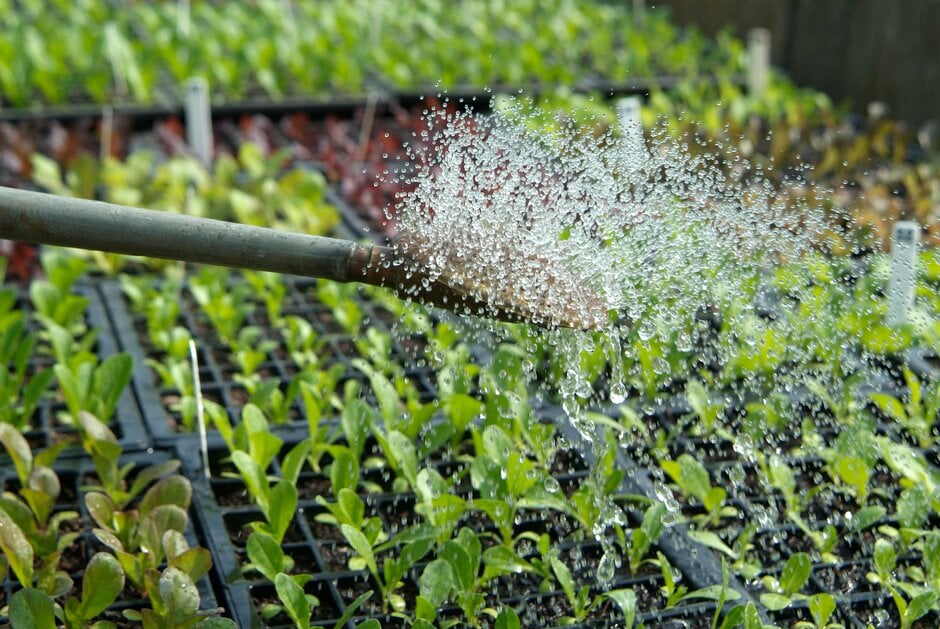
Apply enough water to thoroughly wet the root zone, aiming directly at the base of the plant. If necessary, create a shallow earthen ‘pond’ or basin around the stem to trap the moisture. Always water in the evening or early morning; watering onto foliage or during the heat of the day leads to high evaporation losses.
![]()
Aim water at the base of the plant so it reaches the roots, where it is needed most
Aim water at the base of the plant so it reaches the roots, where it is needed most
Adding
An exception is newly planted trees and shrubs, provided they have been well watered first. Keep the soil around new plants bare and free of grass or weeds, and ideally mulch for one metre around the stem. Water regularly to keep the original
4. Avoid excess lawn wear
Try to spread foot traffic and activities over your entire brown lawn to avoid destroying the ground-level grass
Feeding lawns during a heatwave or drought won’t help, however an autumn feed is well worth contemplating once the weather breaks. September or October is also the ideal time for spiking or slitting to help rain soak into hard, compacted turf. Pierce the lawn with a garden fork or lawn tool when the soil is softened but not soggy. This improves root conditions and helps the grass recover from drought and for best results, brush some lawn top-dressing into the holes.
5. Leave no-mow areas until autumn
![]()
Long grass supports pollinators, birds and other wildlife, so leave no-mow areas until autumn before cutting them back
Long grass supports pollinators, birds and other wildlife, so leave no-mow areas until autumn before cutting them back
Chicories, endives, and salad onions are incredibly useful from mid-September onwards, but they can be tricky to establish in baked soil. Grow them in pots in light shade instead; harvesting them as mini leaves is far more water efficient. Lettuces are particularly difficult to get started during a drought.
7. Beware planting at peak drought
Pause your planting plans for as long as possible until drought stress has eased. Some winter crops, such as purple sprouting broccoli, must be planted now to ensure a good harvest next year. However, other ornamental purchases such as plants bought at late-summer flower shows can be kept moist and lightly shaded in their pots until planting conditions improve.
8. Don’t delay summer pruning and deadheading
Keep up with routine
![]()
Continue deadheading and light summer pruning during dry weather, but avoid heavy pruning that could further stress plants
Continue deadheading and light summer pruning during dry weather, but avoid heavy pruning that could further stress plants
Most garden plants will not benefit from extra fertiliser during a drought. Without sufficient soil moisture,
Exceptions include container plants will still need to be fed every other week until September. Additionally, hungry green vegetable crops like Brussels sprouts and leeks will appreciate a little top-dressing alongside their regular watering.
10. Don’t overwater
Water enough to keep plants alive, but show restraint. You should use water responsibly to avoid consuming more than your fair share during times of potential shortage. Prioritise your limited water supplies for vegetables, soft fruit and newly planted plants. Established trees, shrubs and many
11. Make the most of your water butts
Now is exactly the time to use up your stored rainwater. As your water butts fall empty, take the opportunity to clean them out so they are ready to capture clean autumn rain.
If you need more storage, now is an excellent time to source additional butts and connect them to your downpipes before the wet weather arrives. To see exactly how much water your roof footprint can collect, you can use an online rainwater catchment calculator like the Enduramaxx Rainwater Calculator.
![]()
Collecting rainwater in water butts provides a sustainable source of water for your garden during dry spells
Collecting rainwater in water butts provides a sustainable source of water for your garden during dry spells
Do not waste precious water on spare plants or plants that are unlikely to come to anything this summer. They consume water and effort and unless there is a good reason to keep them, they are much better off in the