John Little‚ the brownfield gardening guru
John’s pioneering interest in green roofs and public-space gardening led him to explore the ecological potential of brownfield sites. Today, he’s a crusading campaigner for biodiverse gardens and the talented professional gardeners needed to care for them, and is one of the most influential figures in contemporary horticulture
Your approach to brownfield gardening continues to drive the evolution of the way we garden and grow. Where did it all start?
I grew up playing in the gravel pits and edge lands of south Essex and was always fascinated by the look of disrupted, man-made urban spaces, the wildlife that colonises them and the joy of people and nature overlapping. When I started making green roofs 35 years ago, I noticed the plants seeding in driveways by the buildings creating amazing incidental gardens. I also began to question what was happening to the waste from construction. It was being recycled back into construction, so could it be used in landscaping?

John Little
What is your ethos?
A lot of my work is on sites disrupted by construction‚ but in established gardens I may suggest small areas of sand for ground-nesting bees, a gabion full of demolition waste, or a mound of substrate to vary topography. You can make a beautiful space and still incorporate ecological elements for wildlife.
When did people start taking notice?
My daughter pushed me to explore social media five years ago. It gives you wider access and connects you with people. I’m on Instagram as @grassroofco – it’s been a game-changer for me. The opportunity to talk at the 2022 Beth Chatto Symposium also put me in front of an international audience.
Have your ideas now been accepted by the wider gardening community?
A lot of gardeners still prefer the aesthetic of a traditional flower border, but there can be beauty in a diverse approach. Wildlife gardening has never been more popular, and there’s growing recognition that insects are part of the we should be trying to protect. We just need to join those ideas together. In fact, many designers now get ecologists to survey new sites and draw up baseline reports so they can demonstrate the biodiversity they may add.
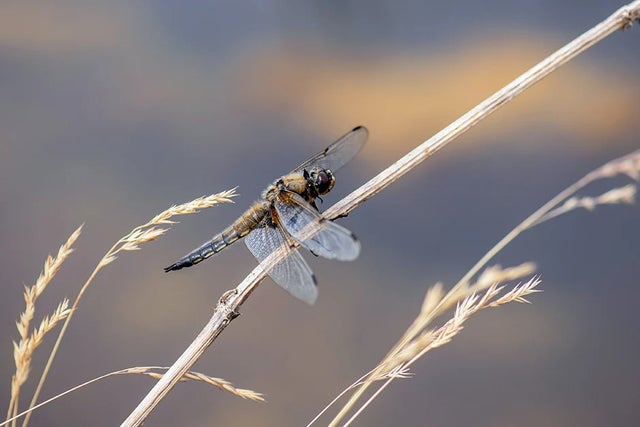

Burrowing bee (Andrena sp.)
So, is your work now done?
If we want to create interesting public spaces, we need good gardeners to take care of them. Care not Capital is my campaign to create good jobs in public spaces using public money. If there’s lottery funding to create a local park, why not keep a chunk of cash to pay a gardener to look after it properly?