East Ruston Old Vicarage
Free RHS Member days
October, Wednesday–Sunday, when open
About the garden
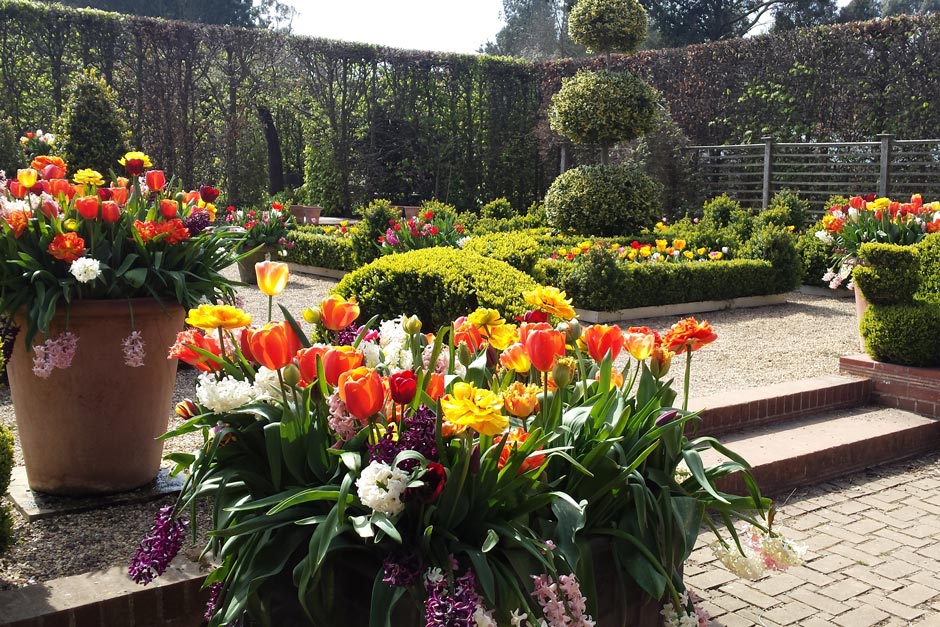
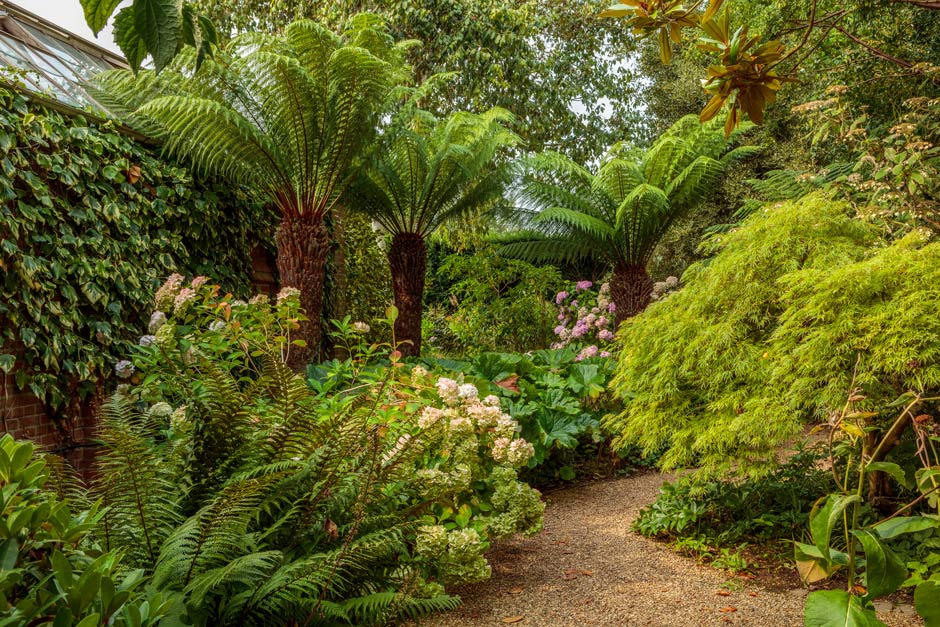
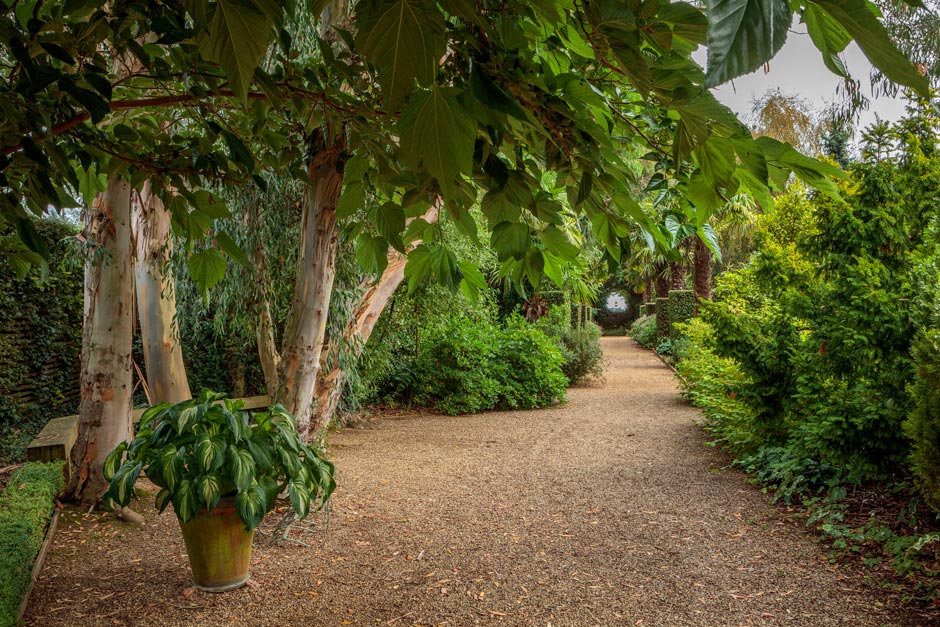
The garden at East Ruston Old Vicarage is unique due to the owners' deep curiosity about plants. This passion has resulted in an astonishing array of flora from all corners of the globe growing harmoniously together, demonstrating that, in today's climate, almost anything is possible.
The garden's location also contributes to its diversity. Situated near the North Sea on the northeastern coast of Norfolk, it benefits from protection against penetrating frosts. The soil is a light, sandy, free-draining loam with a neutral pH, although there are pockets of more acidic soil, as evidenced by the blue hydrangeas.
This garden is home to the National Collection of Colchicums. It features an RHS trial of Hedychiums (Ginger Lilies), where 71 selections are being evaluated over three years for their hardiness, flowering potential and overall garden suitability. The results of this trial will be shared on the RHS website in 2028.
In recent years, two Agave montanas have flowered in The Desert Wash, and two separate plants are expected to bloom in 2026, an event eagerly anticipated by garden enthusiasts.
A new entrance to the Desert Wash has been created through a monolithic gateway known as The Pharaoh’s Gate. This entrance leads visitors through a dry, hot area where additional plants will be tested for hardiness, particularly those from South Africa. The owners have also planted some Dahlias, which they grew from selected seeds sourced within the garden.
Facilities
- Assistance dogs only
- Accessible garden
- Parking
- Plant sales
- Refreshments
- Toilets
Key features
- Sculpture
- Sub-tropical garden
- Wildflower meadow
- Glasshouse (open to public)
- Arboretum
- Autumn colour
- Colour themed borders
- Mediterranean/Italian garden
- National Plant Collections
- Winter garden
Get involved
The RHS is the UK’s gardening charity, helping people and plants to grow - nurturing a healthier, happier world, one person and one plant at a time.