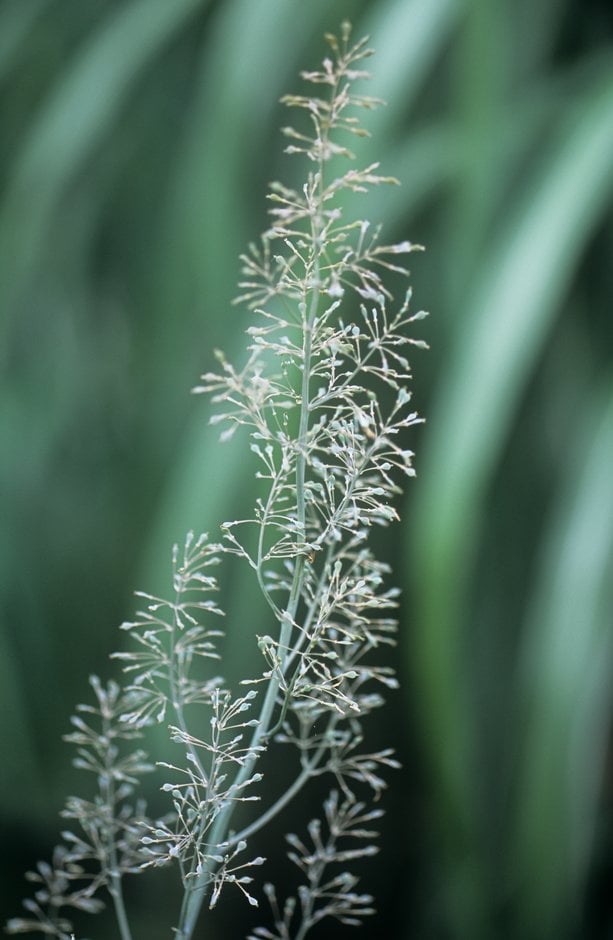
Macleaya cordata (Willd.) R. Br.

RHS Plant Profile
plume poppy
plume poppy RHS

Other common names

tree celandine

Synonyms

Bocconia japonica
Bocconia cordata

Award of Garden Merit
Herbaceous Perennial

Macleaya cordata is a tall, rhizomatous perennial, up to 2.5m tall, with broad rounded 5-7 lobed, grey-green leaves to 20cm, whitish beneath, and tall, to 1m, plumes of pendent, tiny buff-white flowers in summer.

Position

Full sun, Partial shade

Soil Types

Chalk, Clay, Loam, Sand

Max Height

1.5-2.5 metres

Max Spread

1-1.5 metres

Size

Time to Maturity
2–5 years
Max Spread
1-1.5 metres
Max Height
1.5-2.5 metres

Growing Conditions

Chalk Clay Loam Sand
Moisture
Moist but well–drained
pH
Acid or Alkaline or Neutral

Position

Full sun Partial shade
Aspect
South–facing or East–facing or West–facing
Exposure
Sheltered
Hardiness
H6

Colour & Scent

Season Stem Flower Foliage Fruit
Spring
Summer
Autumn
Winter

Botanical Details

Family
Papaveraceae
Native to GB/Ireland
No
Foliage
Deciduous
Habit
Clump forming
Genus
Macleaya are large herbaceous rhizomatous perennials with handsome palmately lobed leaves and large airy panicles of tiny flowers
Name Status
Correct
Plant Range
China, Japan, Taiwan

How to Grow

Cultivation

Grows best in a deep, moderately fertile soil that is moist but well-drained, but will tolerate most soils. It needs plenty of space and has the potential to become a nuisance on sandy soils. For best foliage, provide shelter from cold winds; like sun but tolerates partial shade

Propagation

Propagate by division in late autumn or spring or separate root rhizomes when dormant in winter and treat as you would root cuttings

Suggested planting locations and garden types

  • Architectural
  • Prairie planting
  • Low Maintenance
  • Flower borders and beds
  • Hedging and screens

Pruning

Cut down to the base in late autumn

Pests

May be susceptible to slugs

Diseases

Generally disease-free