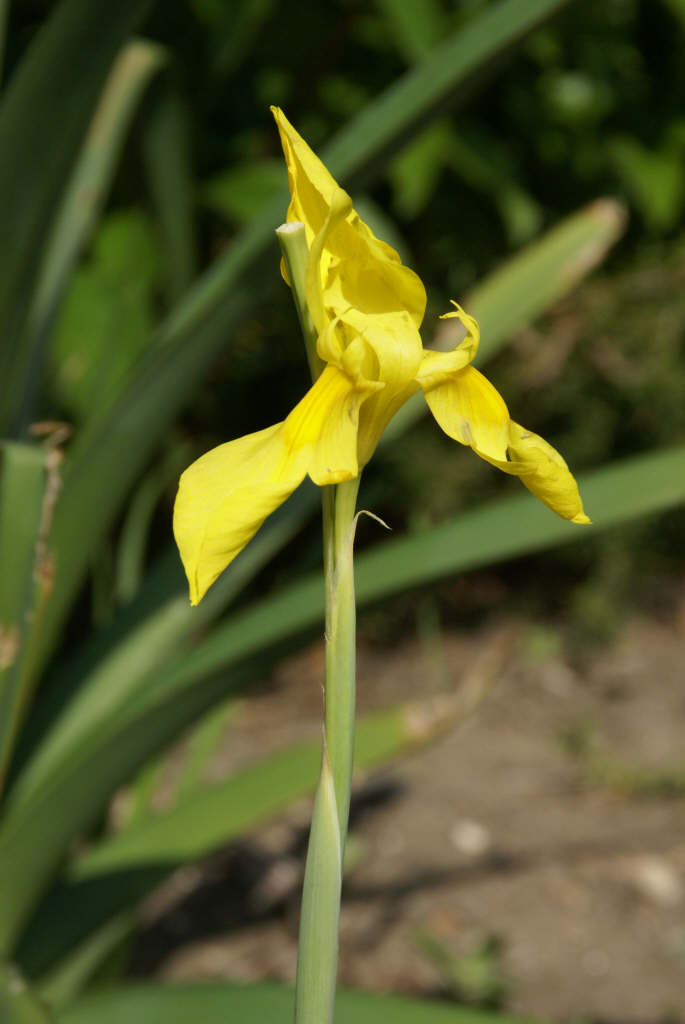
Moraea spathulata

RHS Plant Profile
spathulate butterfly lily
spathulate butterfly lily RHS

Synonyms

Moraea spathacea

Conservatory Greenhouse Bulbs

An evergreen (in frost-free climates) perennial with a single linear leaf to each corm, and a stem bearing a cluster of bright yellow, iris-like flowers to 9cm wide, marked with purplish-brown on the lower petals

Position

Full sun

Soil Types

Loam, Sand

Max Height

0.5-1 metres

Max Spread

0-0.1 metre

Size

Time to Maturity
2–5 years
Max Spread
0-0.1 metre
Max Height
0.5-1 metres

Growing Conditions

Loam Sand
Moisture
Well–drained
pH
Acid or Neutral

Position

Full sun
Aspect
South–facing or West–facing
Exposure
Sheltered
Hardiness
H3

Colour & Scent

Season Stem Flower Foliage Fruit
Spring
Summer
Autumn
Winter

Botanical Details

Family
Iridaceae
Native to GB/Ireland
No
Foliage
Evergreen
Habit
Bushy
Potentially harmful
Harmful if eaten. Wear gloves and other protective equipment when handling Pets: Harmful if eaten - see the HTA guide to potentially harmful plants for further information and useful contact numbers
Genus
Moraea are cormous perennials with linear, sword-shaped or rolled leaves and clusters of short-lived iris-like flowers in late spring or summer
Name Status
Correct
Plant Range
Zimbabwe to S Africa

How to Grow

Cultivation

Grow at the base of a warm, sunny wall in a well-drained, humus-rich, moderately fertile soil in full sun. Protect from excessive winter wet. Under glass grow in a peat-free, loam-based compost with added sharp grit. Water sparingly when growth begins and freely in full growth. Dry off as leaves wither, to ensure a dry dormancy from mid-summer to autumn

Propagation

Propagate by seed sown in containers in a coldframe in spring, or separate offsets when dormant

Suggested planting locations and garden types

  • Patio and container plants
  • Mediterranean climate plants
  • Wall side borders

Pruning

No pruning required

Pests

Generally pest-free

Diseases

Generally disease-free