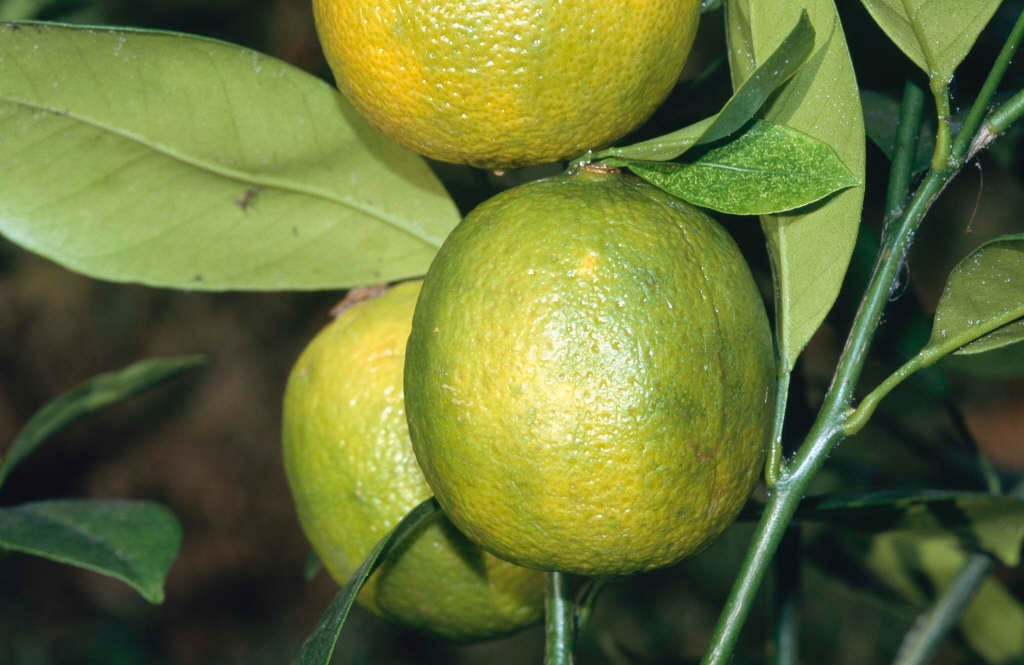
Citrus × aurantiifolia (F)

RHS Plant Profile
lime
lime RHS 1999

Other common names

Mexican lime, Adam's apple, bartender's lime, key lime, West Indian lime

Synonyms

Citrus × aurantiifolia key lime

Conservatory Greenhouse Fruit Edible Shrubs

A spiny evergreen shrub or small tree with aromatic, glossy green leaves and fragrant white flowers in late spring or summer, followed by rounded green or greenish-yellow fruit (limes) 4-6cm across

Position

Full sun, Partial shade

Soil Types

Loam

Max Height

2.5-4 metres

Max Spread

1.5-2.5 metres

Size

Time to Maturity
20–50 years
Max Spread
1.5-2.5 metres
Max Height
2.5-4 metres

Growing Conditions

Loam
Moisture
Moist but well–drained or Well–drained
pH
Acid or Neutral

Position

Full sun Partial shade
Aspect
South–facing or West–facing
Exposure
Sheltered
Hardiness
H2

Colour & Scent

Fragrance Flower
Season Stem Flower Foliage Fruit
Spring
Summer
Autumn
Winter

Botanical Details

Family
Rutaceae
Native to GB/Ireland
No
Foliage
Evergreen
Habit
Bushy
Potentially harmful
Fruit harmful to skin with sunlight/skin allergen (lemon and lime-bearing Citrus only). Wear gloves and other protective equipment when handling
Genus
Citrus are typically evergreen shrubs or trees, frequently spiny, with simple, leathery, aromatic leaves, usually with winged stalks, and often fragrant white or pink-tinged flowers, followed by large, juicy fruits
Name Status
Correct
Horticultural Group
This genus produces fruit, but not necessarily edible fruit
Plant Range
Tropical Asia

How to Grow

Cultivation

Grow as a conservatory or greenhouse plant, in a container of peat-free, loam-based potting compost with added grit, in full light, with shade from hot sun. In growth during spring and summer, water freely, and mist daily. Apply fertilisers formulated for citrus, throughout the year, following the manufacturer’s instructions; water sparingly in winter. See citrus cultivation for further information

Propagation

Propagate by seed at 16°C in spring; seedlings do not come true to type. Propagate by semi-ripe cuttings in summer

Suggested planting locations and garden types

  • Patio and container plants

Pruning

Pruning group 1

Pests

May be susceptible to citrus red spider mite and glasshouse red spider mite, soft scale and fluted scale, aphids, caterpillars and mealybugs under glass

Diseases

Generally disease-free