Not the plant you're looking for? Search over 300,000 plants

Osmanthus yunnanensis

Yunnan osmanthus

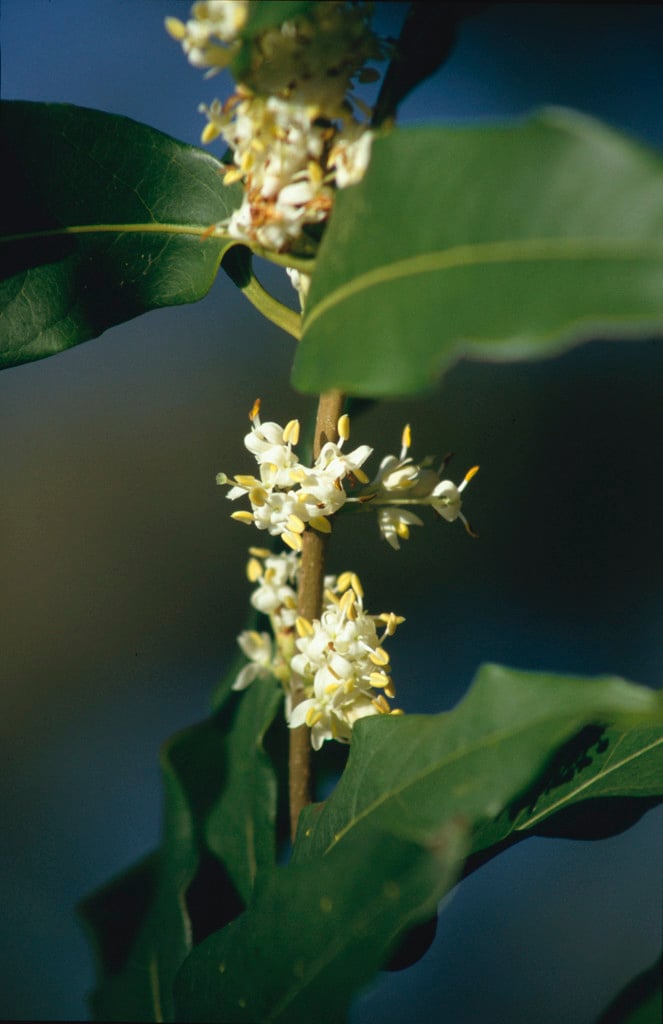
A large shrub or small, spreading tree. The dark, olive-green leaves up to 20cm long vary in shape, often on the same plant, from smooth and flat to wavy with spiny-toothed edges. Small, creamy-white, highly fragrant flowers appear in late winter to early spring clustered at the base of the leaves. These are followed by egg-shaped fruit, dark purple with a white bloom

Synonyms
Osmanthus forrestii
Buy this plant
Size
Ultimate height
8–12 metres
Time to ultimate height
10–20 years
Ultimate spread
Wider than 8 metres
Growing conditions
Loam
Moisture
Well–drained
pH
Acid, Alkaline, Neutral
Colour & scent
StemFlowerFoliageFruit
Spring Cream Green
Summer Green Purple
Autumn Green Purple
Winter Cream Green
Position
  • Full sun
  • Partial shade
Aspect

East–facing or South–facing or North–facing or West–facing

Exposure
Sheltered
Hardiness
H5
Botanical details
Family
Oleaceae
Native to GB / Ireland
No
Foliage
Evergreen
Habit
Bushy
Genus

Osmanthus can be evergreen shrubs or small trees with leathery, opposite leaves and small, usually fragrant, tubular white, yellow or orange flowers with 4 lobes, followed by ovoid blue-black fruits

Name status

Correct

Plant range
Tibet, China

How to grow

Cultivation

Grow in fertile, well-drained soil in sun or partial shade, with shelter from cold, drying winds

Propagation

Propagate by seed sown in containers in a cold frame as soon as ripe, or root semi-ripe cuttings in summer with bottom heat, or layer in autumn or spring

Suggested planting locations and garden types
  • Cottage and informal garden
  • Low Maintenance
  • Wall side borders
Pruning

Pruning group 8

Pests

Generally pest-free

Diseases

May be susceptible to honey fungus

Get involved

The RHS is the UK’s gardening charity, helping people and plants to grow - nurturing a healthier, happier world, one person and one plant at a time.