Size
Ultimate height
Up to 10cmTime to ultimate height
2–5 yearsUltimate spread
0.1–0.5 metresGrowing conditions
Moisture
Moist but well–drainedpH
Acid, NeutralColour & scent
| Stem | Flower | Foliage | Fruit | |
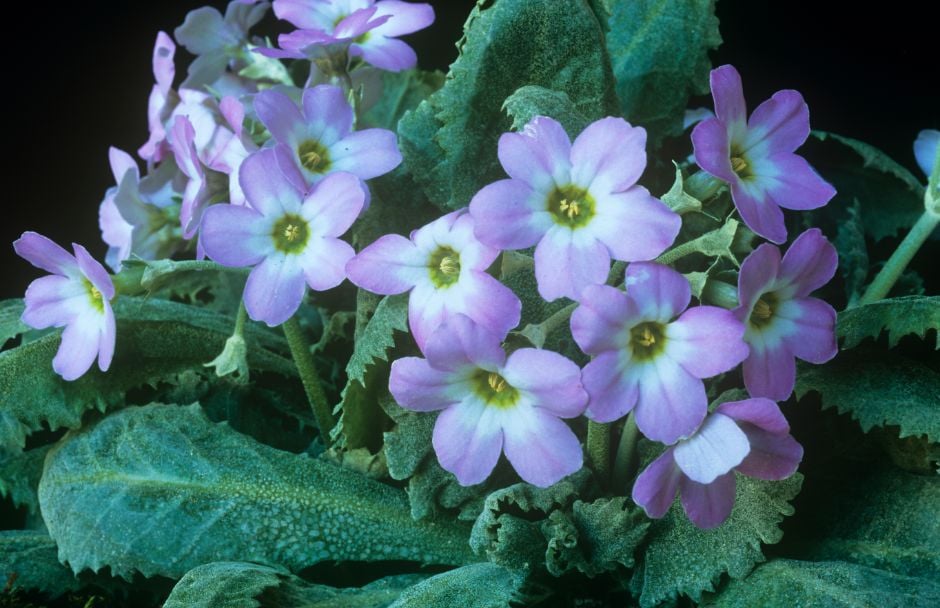
| Spring | Pink | Green | ||
|---|---|---|---|---|
| Summer | Green | |||
| Autumn | ||||
| Winter | Pink | Green |
Position
- Partial shade
Aspect
North–facing or West–facing or East–facing
Exposure
Sheltered Hardiness
H5Botanical details
- Family
- Primulaceae
- Native to GB / Ireland
- No
- Foliage
- Deciduous
- Habit
- Bushy
- Genus
Primula are herbaceous or semi-evergreen perennials, forming a basal rosette of simple leaves, with salver-shaped or bell-shaped flowers which may be solitary or carried in an umbel or in whorls on an erect stem
- Name status
Correct
- Horticultural Group
- Petiolares primulas are rosette-forming herbaceous perennials dying back to a tight rosette or resting bud in winter, with umbels of flowers
- Plant range
- China
How to grow
Cultivation
Grow in deep or partial shade in moist but sharply drained acid or neutral soil; protect from excessive winter wet
Propagation
May be propagated by detaching runners in early spring or after flowering
Suggested planting locations and garden types
- Gravel garden
- Rock garden
- Cottage and informal garden
- Patio and container plants
- Flower borders and beds
Pruning
No pruning required
Pests
May be susceptible to slugs and snails, vine weevil and aphids
Diseases
May be susceptible to a virus, grey moulds or fungal leaf spot
Get involved
The Royal Horticultural Society is the UK’s leading gardening charity. We aim to enrich everyone’s life through plants, and make the UK a greener and more beautiful place.
