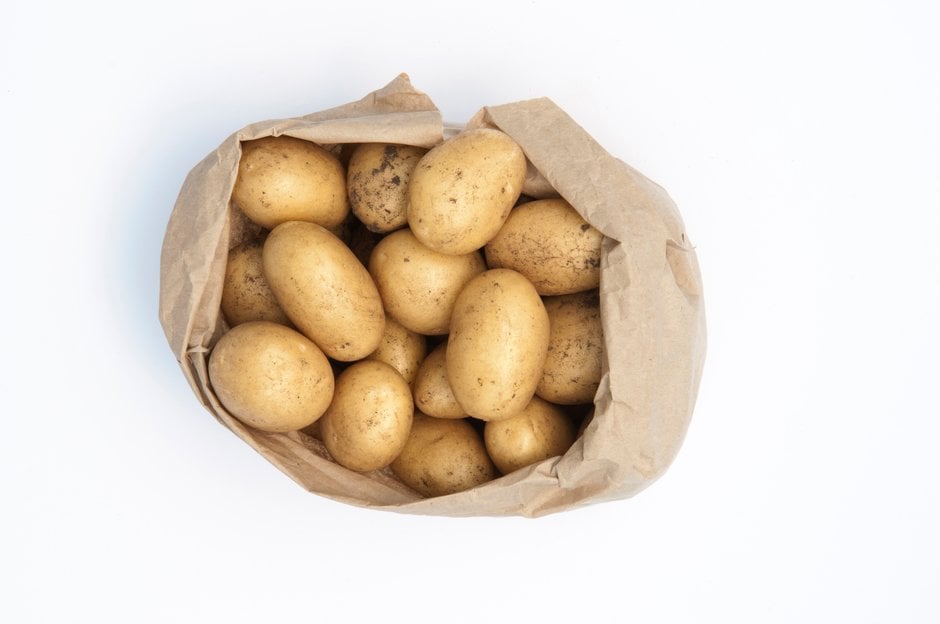
Solanum tuberosum 'Lady Christl'PBR

RHS Plant Profile
potato 'Lady Christl'
potato 'Lady Christl' RHS
Award of Garden Merit
Annual Biennial

Perennial of branching stems with compound leaves, white flowers and green berries that forms swollen, waxy, edible tubers harvested in summer. Second early potato with pale yellow skin, firm flesh and fantastic flavour. Good eelworm resistance.

Position

Full sun, Partial shade

Soil Types

Chalk, Clay, Loam, Sand

Max Height

0.1-0.5 metres

Max Spread

0.1-0.5 metres

Size

Time to Maturity
1 year
Max Spread
0.1-0.5 metres
Max Height
0.1-0.5 metres

Growing Conditions

Chalk Clay Loam Sand
Moisture
Moist but well–drained
pH
Acid or Alkaline or Neutral

Position

Full sun Partial shade
Aspect
South–facing or West–facing
Exposure
Sheltered
Hardiness
H3

Colour & Scent

Season Stem Flower Foliage Fruit
Spring
Summer
Autumn
Winter

Botanical Details

Family
Solanaceae
Native to GB/Ireland
No
Foliage
Deciduous, Semi evergreen
Habit
Clump forming
Potentially harmful
Harmful if eatenexcept potato crop. Wear gloves and other protective equipment when handling. Pets (dogs): Harmful if eatenexcept potato crop - for further information and contact numbers regarding pets, see the HTA guide to potentially harmful plants
Genus
Solanum can be annuals, perennials, evergreen or deciduous shrubs or twining climbers, with simple or pinnnately lobed leaves and star- or bowl-shaped, 5-lobed flowers with prominent stamens, followed by fleshy fruits
Name Status
Accepted

How to Grow

Cultivation

Will grow well in a prepared and well manured bed not previously used to grow potatoes for the last two years. Avoid waterlogged ground. Begin planting early spring and earth up as the plant grows, tubers push up towards the surface and can become green and toxic if exposed to sunlight. Also grows well in deep 8-10 ltr planters placing tubers 12 inches deep from the top.

Propagation

Propagate from tubers known as 'seed potatoes' which are sprouted or 'chitted' prior to planting. Tubers can be chitted from January and planted between March and May, when the risk of frost has passed.

Suggested planting locations and garden types

  • Patio and container plants

Pruning

No pruning required

Pests

Good eelworm resistance. May be susceptible to potato slug, wireworm, aphids.

Diseases

May be susceptible to honey fungus (rarely) and potato blight