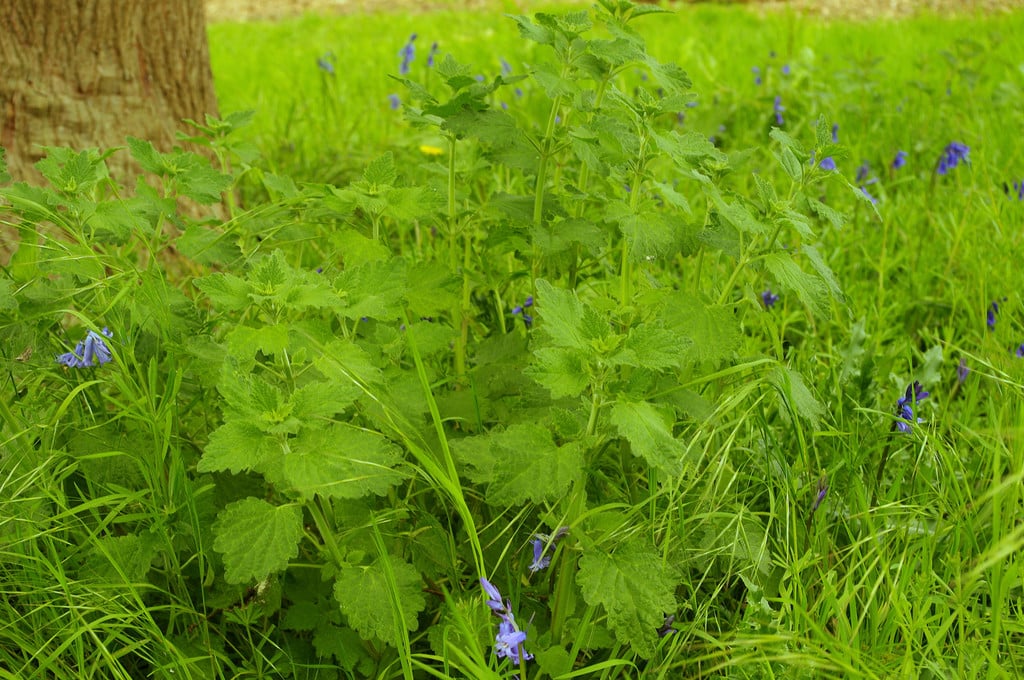
Ballota nigra

RHS Plant Profile
black horehound
black horehound RHS

Other common names

black angelica, black hoarhound, false hoarhound, false horehound, fetid hoarhound, fetid horehound, hairhound, henbit, horehound, stinking horehound, marddanhadlen ddu

Plants for pollinators
Herbaceous Perennial

A semi-evergreen perennial with an erect to sprawling habit to 1m tall. Leaves are simple, ovate, coarsely-toothed and rough-textured, mid to pale green, unpleasantly scented when bruised. Flowers are small, dull purple and borne in whorls

Position

Full sun, Partial shade

Soil Types

Chalk, Loam, Sand

Max Height

0.5-1 metres

Max Spread

0.5-1 metres

Size

Time to Maturity
2–5 years
Max Spread
0.5-1 metres
Max Height
0.5-1 metres

Growing Conditions

Chalk Loam Sand
Moisture
Well–drained
pH
Acid or Alkaline or Neutral

Position

Full sun Partial shade
Aspect
West–facing or South–facing
Exposure
Sheltered
Hardiness
H4

Colour & Scent

Fragrance Foliage
Season Stem Flower Foliage Fruit
Spring
Summer
Autumn
Winter

Botanical Details

Family
Lamiaceae
Native to GB/Ireland
Yes
Foliage
Semi evergreen
Habit
Bushy
Genus
Ballota can be perennials or evergreen sub-shrubs, with opposite, aromatic leaves and whorls of small, 2-lipped flowers often with large funnel-shaped calyces
Name Status
Correct
Plant Range
Eurasia, N Africa

How to Grow

Cultivation

Grow in well-drained soil in full sun. Good for a wildlife garden

Propagation

Propagate by division in spring

Suggested planting locations and garden types

  • Cottage and informal garden
  • Wildlife gardens
  • Wildflower meadow

Pruning

No pruning required

Pests

May be susceptible to leafhoppers

Diseases

Generally disease-free