Strelitzia

RHS Plant Profile
bird of paradise
bird of paradise RHS

Other common names

bird of paradise flower, bird's tongue flower

Conservatory Greenhouse Herbaceous Perennial Houseplants

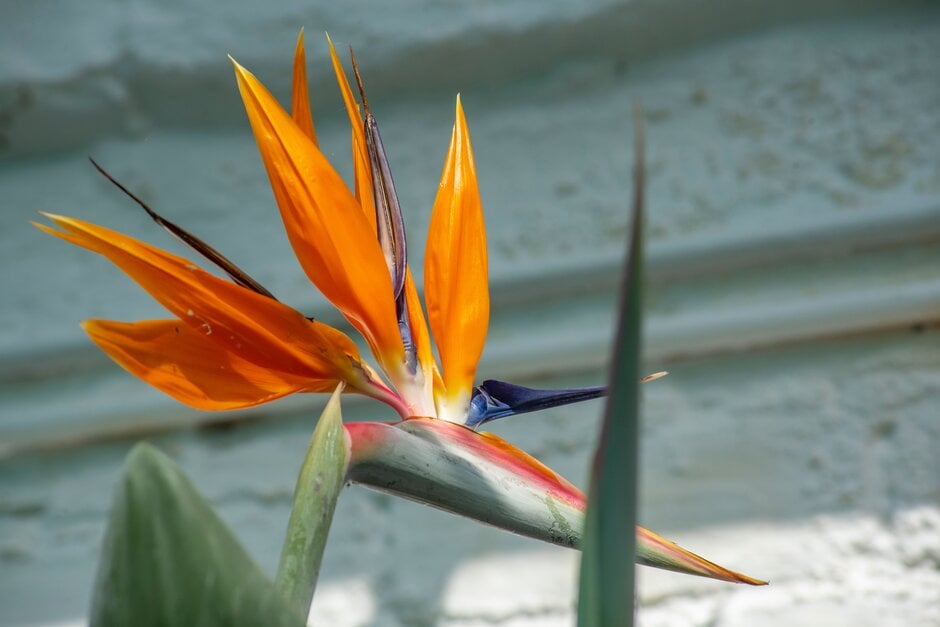
Strelitzia are tender, clump-forming evergreen perennials, forming a clump of long-stalked, linear to broadly oblong grey-green leaves. Stiff stems bear beak-like bracts from which strikingly coloured orange and blue flowers open in succession from late winter to spring. It may take a few years for plants to bloom. S. reginae, which are more commonly found within the UK, may produce flowers if given sufficient light but other varieties such as S. nicolai or S. augusta are grown primarily for their lush foliage. An ideal plant to give a tropical feel to your home or conservatory

Position

Full sun, Partial shade

Soil Types

Chalk, Loam, Sand

Max Height

1.5-2.5 metres

Max Spread

1.5-2.5 metres

Size

Time to Maturity
10–20 years
Max Spread
1.5-2.5 metres
Max Height
1.5-2.5 metres

Growing Conditions

Chalk Loam Sand
Moisture
Moist but well–drained or Well–drained
pH
Acid or Alkaline or Neutral

Position

Full sun Partial shade
Aspect
East–facing or South–facing or West–facing
Exposure
Sheltered
Hardiness
H1B

Colour & Scent

Season Stem Flower Foliage Fruit
Spring
Summer
Autumn
Winter

Botanical Details

Family
Strelitziaceae
Native to GB/Ireland
No
Foliage
Evergreen
Habit
Clump forming
Genus
Strelitzia are evergreen perennials, forming a clump of long-stalked, linear to broadly oblong leaves, with stiff stems bearing beak-like bracts from which strikingly coloured flowers open in succession
Name Status
Correct

How to Grow

Cultivation

Under glass grow in peat-free, loam-based compost, in a large container, in full light with shade from hot sun. During growth, water freely and apply a balanced liquid fertiliser monthly. Top dress annually and repot every second year. Water sparingly in winter and ventilate when temperatures exceed 20°C. Plants may take a few years to bloom and will only do so if given adequate levels of light and feed. They will generally flower better if slightly pot-bound. See Strelitzia cultivation

Propagation

Propagate by division of rooted suckers in spring

Suggested planting locations and garden types

  • City and courtyard gardens
  • Cottage and informal garden
  • Houseplants
  • Mediterranean climate plants
  • Patio and container plants
  • Sub-tropical
  • Conservatory and greenhouse
  • Cut flowers
  • Wall side borders

Pruning

No pruning required

Pests

May be susceptible to scale insects, glasshouse red spider mite and mealybugs

Diseases

Generally disease-free