Beta vulgaris subsp. cicla var. flavescens 'Lucullus'
chard 'Lucullus'
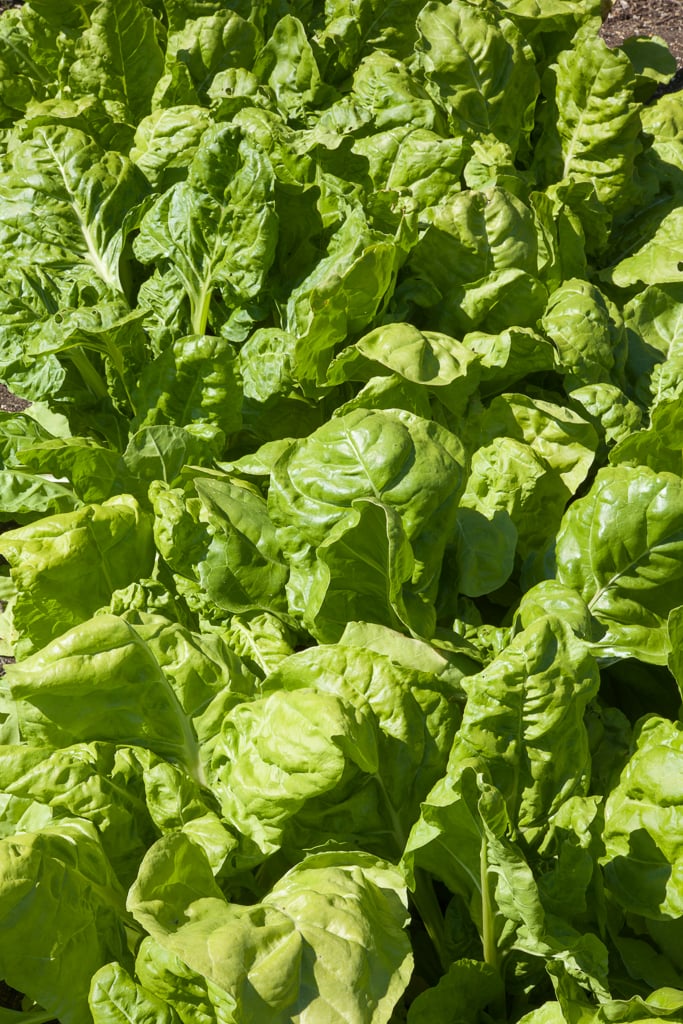
A biennial vegetable grown for its edible leaves. This is a prolific, white-stemmed heirloom cultivar with bright lime-green leaves, growing to a height of around 40-50cm. Often grown as an annual but may overwinter in areas where the soil is not too wet.
Size
Ultimate height
0.1–0.5 metresTime to ultimate height
1 yearUltimate spread
0.1–0.5 metresGrowing conditions
Moisture
Moist but well–drainedpH
Acid, NeutralColour & scent
| Stem | Flower | Foliage | Fruit | |
| Spring | Green White | |||
|---|---|---|---|---|
| Summer | Green White | |||
| Autumn | Green White | |||
| Winter |
Position
- Full sun
- Partial shade
Aspect
South–facing or West–facing
Exposure
Sheltered Hardiness
H3Botanical details
- Family
- Amaranthaceae
- Native to GB / Ireland
- No
- Foliage
- Deciduous
- Habit
- Columnar upright, Clump forming
- Genus
Beta can be annual, biennial or perennial plants, often with rosettes of basal leaves and thick, fleshy roots. The genus includes a range of wild species, as well as cultivated food crops such as beetroot, chard and sugar beet
- Name status
Accepted
How to grow
Cultivation
Grow in an open, sunny site in fertile, neutral to slightly acidic soil; can tolerate some shade in summer. See RHS Grow Your Own Chard Guide
Propagation
Propagate by seed. See sowing vegetable seeds
Suggested planting locations and garden types
Pruning
No pruning required
Pests
May be susceptible to birds, that can pull up and eat young seedlings, and to flea beetles
Diseases
May be susceptible to downy mildews and grey moulds
Get involved
The Royal Horticultural Society is the UK’s leading gardening charity. We aim to enrich everyone’s life through plants, and make the UK a greener and more beautiful place.